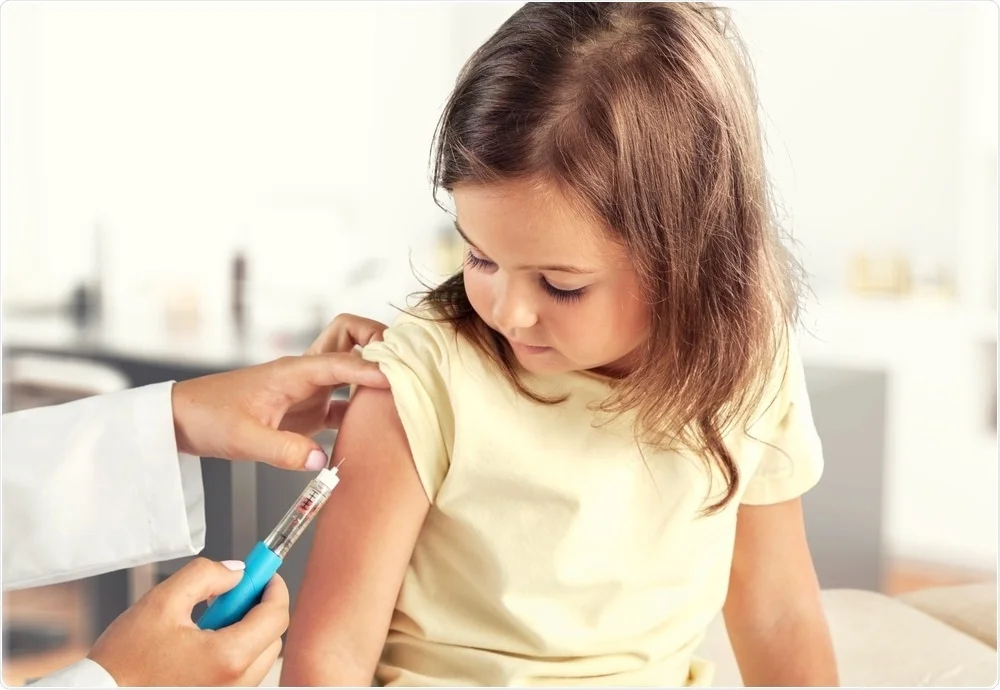
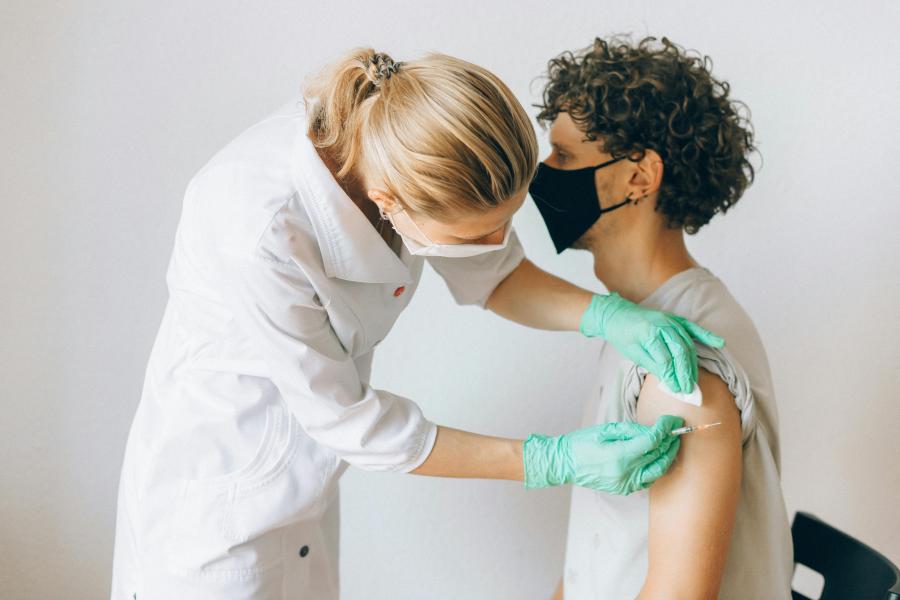
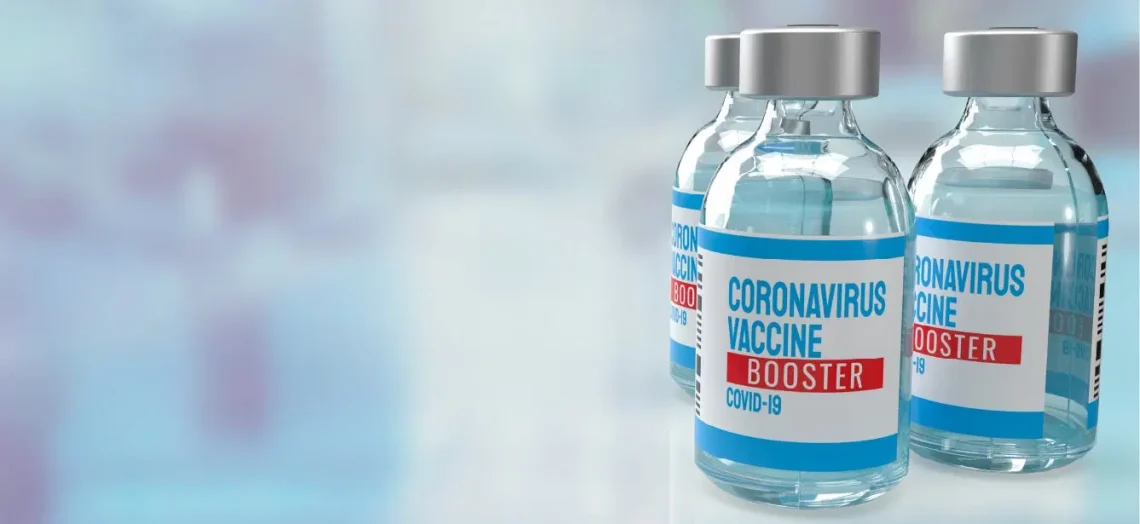
Introduction As the COVID-19 virus continues to evolve, so does our understanding of how best to protect against it. With newer variants like JN.1 and KP.3 circulating in 2025, vaccine guidance has been updated to match the changing landscape of viral transmission and immunity. This article explores the latest vaccine recommendations, including who should get vaccinated, when boosters are needed, and why it remains crucial — even as the acute crisis phase of the pandemic has passed. Why Updated Vaccine Guidance Is Needed The SARS-CoV-2 virus constantly mutates. Each mutation can affect: Because of this, vaccines must be updated periodically…
-
-
Introduction Lyme disease isn’t just a concern for humans—dogs are also vulnerable to this potentially serious tick-borne illness. Caused by the bacterium Borrelia burgdorferi and transmitted primarily by the blacklegged tick (deer tick), Lyme disease can lead to long-term health complications in dogs if left untreated. This article will help dog owners understand how Lyme disease affects their pets, what symptoms to look for, how to prevent infection, and when to seek veterinary care. What Causes Lyme Disease in Dogs? Lyme disease is caused by the spiral-shaped bacterium Borrelia burgdorferi. It’s transmitted when an infected tick attaches and feeds on…
-
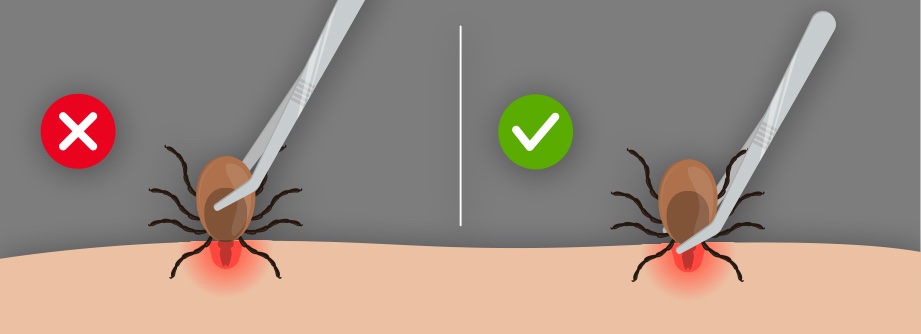
Introduction Ticks may be small, but their bite can carry big risks. These tiny bloodsuckers are known for transmitting a range of diseases, including Lyme disease, anaplasmosis, babesiosis, and Rocky Mountain spotted fever. Whether you’re a hiker, pet owner, gardener, or just enjoying time outdoors, understanding how to properly remove a tick is essential for your health and peace of mind. Prompt and careful removal reduces the risk of infection. In this guide, we’ll walk you through step-by-step instructions, tools you’ll need, what to do after a bite, and when to seek medical attention. Why Proper Tick Removal Is Important…
-
Introduction Ticks are tiny but dangerous parasites known to transmit serious diseases like Lyme disease, babesiosis, anaplasmosis, and Rocky Mountain spotted fever. With rising tick populations in many regions, especially during warmer months, prevention is your best defense. This article outlines practical, science-backed strategies to prevent tick bites, including the use of protective clothing, insect repellents, and thorough tick checks. Whether you’re hiking, gardening, camping, or simply walking your dog, these steps can dramatically lower your risk. 1. Wear Protective Clothing Clothing That Covers and Shields Ticks prefer to latch onto exposed skin, so dressing appropriately creates a physical barrier.…
-
Introduction When the immune system is weakened—such as by HIV, certain cancers, or immunosuppressive medications—the body becomes more vulnerable to infections that a healthy immune system would typically fight off. These are referred to as opportunistic infections (OIs). For people living with HIV, especially those with a low CD4 count, OIs can lead to serious illness or even death if not prevented or treated early. The good news is that most OIs are preventable through medication, routine screenings, and healthy habits. This article explores the most common OIs, who is at risk, and practical strategies to prevent them. What Are…
-
Introduction HIV prevention has come a long way, and one of the most powerful emergency tools available is PEP (Post-Exposure Prophylaxis). If you’ve been recently exposed—or think you may have been exposed—to HIV, PEP can help stop the virus from taking hold in your body. But timing is everything. PEP must be started within 72 hours (3 days) after potential exposure, and the sooner, the better. In this article, we’ll explain how PEP works, who should take it, how to get it, and what to expect during treatment. What is PEP? PEP (Post-Exposure Prophylaxis) is a short-term course of antiretroviral…
-
Introduction In the ongoing fight against HIV, one of the most powerful tools in prevention is PrEP, or Pre-Exposure Prophylaxis. When taken correctly, PrEP can reduce the risk of getting HIV from sex by over 99% and from injection drug use by at least 74%. Despite its proven effectiveness, PrEP is still underused—largely due to lack of awareness, misconceptions, and stigma. This article breaks down everything you need to know about PrEP: how it works, who should consider taking it, and how to access it safely. What is PrEP? PrEP (Pre-Exposure Prophylaxis) is a preventive medication for people who do…
-
Introduction Diabetes affects more than just blood sugar; it can have serious long-term impacts on the eyes, kidneys, nerves, and feet. However, with consistent management, early screening, and healthy lifestyle habits, many of these complications can be delayed or even prevented. This guide explores the most common diabetic complications and offers practical steps for protecting your health. Diabetic Neuropathy (Nerve Damage) What Is It? Diabetic neuropathy is nerve damage caused by prolonged high blood sugar levels. It commonly affects the hands and feet, leading to numbness, tingling, burning, or pain. Types of Neuropathy: Prevention & Care: Diabetic Retinopathy (Eye Damage)…
-
Introduction Heart disease is the leading cause of death worldwide, but the majority of cases are preventable. The key to prevention lies in early identification and management of risk factors—many of which begin silently, long before symptoms appear. By understanding and assessing your personal risk profile early in life, you can make informed lifestyle and medical choices to protect your heart for years to come. 1. Why Early Risk Assessment Matters Heart disease often develops gradually over decades, without obvious symptoms. By the time a heart attack or stroke occurs, damage may already be significant. Early assessment helps to: The…
-
Introduction Heart disease is one of the most prevalent chronic conditions worldwide. While lifestyle changes like diet, exercise, and stress management are essential for prevention and management, medications often play a critical role in controlling symptoms, preventing complications, and prolonging life. Understanding how common heart medications work can help patients become more engaged in their care, manage side effects effectively, and adhere to treatment plans. This article breaks down the most frequently prescribed cardiovascular drugs, what they do, how they work, and why they’re important. 1. Statins (Cholesterol-Lowering Drugs) What They Do: Statins reduce LDL cholesterol (“bad” cholesterol), lower triglycerides,…