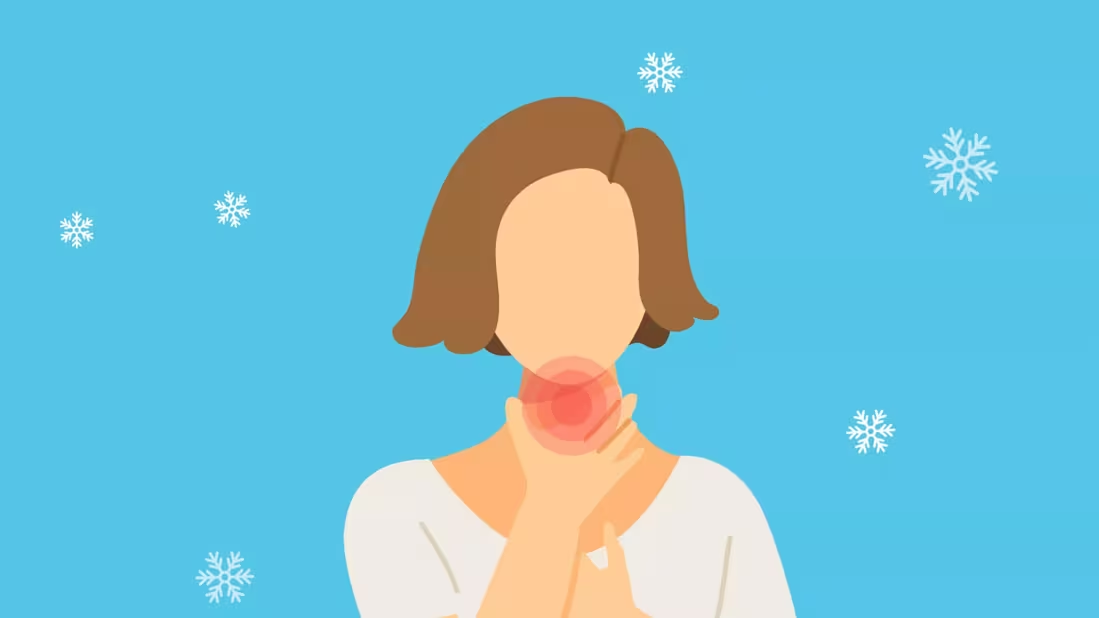
Introduction A sore throat is a common complaint, especially during cold and flu season. Most sore throats are caused by viruses and resolve on their own. However, in some cases, that scratchy, painful throat may be due to strep throat—a bacterial infection caused by Group A Streptococcus (GAS). Unlike viral sore throats, strep throat requires medical treatment, typically with antibiotics, to prevent complications such as rheumatic fever, kidney inflammation, or the spread of infection. Identifying strep throat early can help you or your child feel better faster and reduce the risk of serious outcomes. This article outlines a detailed symptoms…
-
-
Introduction Systemic lupus erythematosus (SLE), commonly known as lupus, is a chronic autoimmune disease that causes widespread inflammation affecting multiple organs. Conventional treatments—such as corticosteroids, immunosuppressants, and antimalarials—are essential for controlling lupus activity. However, many patients also explore complementary therapies to help manage symptoms, reduce side effects of medications, and improve overall well-being. Complementary therapies encompass a broad range of practices outside standard medical treatment, including herbal remedies, acupuncture, mind-body techniques, and dietary supplements. While some therapies may offer benefits, others might carry risks or interact with lupus medications. This article reviews the most common complementary therapies used by lupus…
-
Introduction Living with systemic lupus erythematosus (SLE), commonly known as lupus, extends far beyond managing physical symptoms. The diagnosis of this chronic autoimmune disease often brings a profound emotional and psychological impact that can affect every aspect of a person’s life. From initial shock and uncertainty to ongoing struggles with fatigue, pain, and unpredictable flares, lupus poses significant mental health challenges. Understanding the emotional toll of lupus and learning effective coping strategies is essential for patients, families, and healthcare providers. This article explores the psychological effects of lupus, common emotional challenges, and approaches to foster resilience and improve quality of…
-
Introduction Systemic lupus erythematosus (SLE), commonly known as lupus, is a chronic autoimmune disease that primarily affects women of childbearing age. While lupus can complicate pregnancy, advances in medical care have made it possible for many women with lupus to have successful pregnancies and healthy babies. However, pregnancy in lupus requires careful planning, monitoring, and management to reduce risks to both the mother and the baby. This article explores the challenges of pregnancy with lupus, potential risks, and best practices to support a safe and healthy pregnancy journey. How Lupus Affects Pregnancy Lupus is an autoimmune condition where the immune…
-
Introduction Photosensitivity, or sun sensitivity, is a hallmark symptom of systemic lupus erythematosus (SLE) and related autoimmune conditions. For people with lupus, exposure to sunlight—especially ultraviolet (UV) rays—can trigger skin rashes, systemic disease flares, and increased inflammation. The effects of sun exposure range from mild skin irritation to severe exacerbations of lupus symptoms affecting internal organs. Because sun exposure can significantly impact the disease course and quality of life, understanding the relationship between lupus and photosensitivity and adopting effective sun protection strategies are vital for managing lupus safely and comfortably. What Is Photosensitivity in Lupus? Photosensitivity refers to an increased…
-
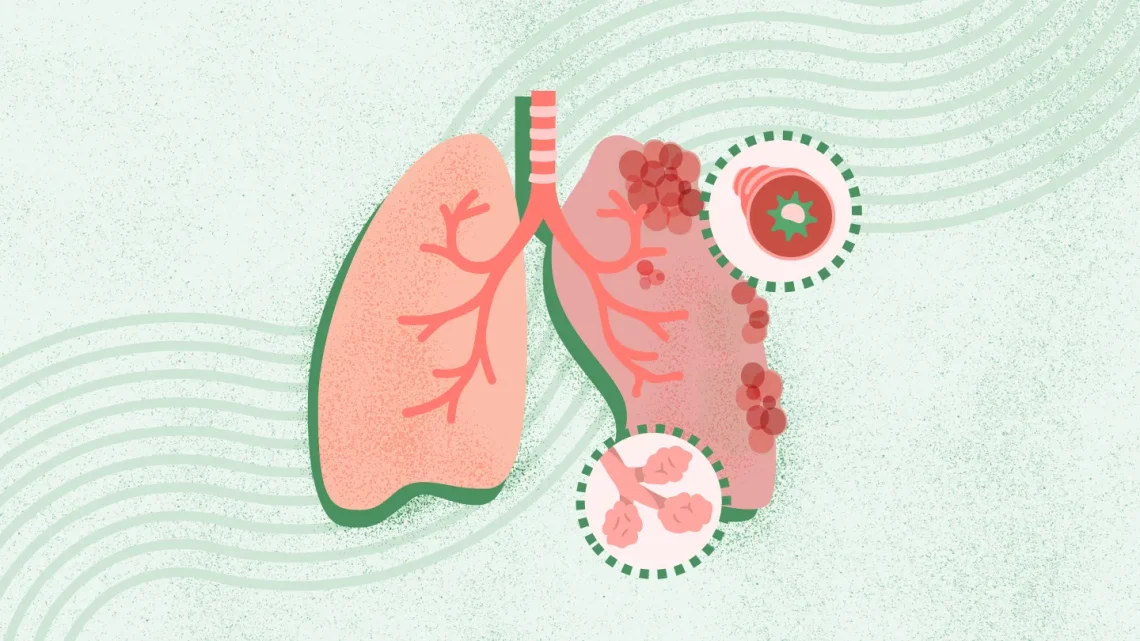
Introduction Pneumonia, an infection that inflames the air sacs in one or both lungs, can vary in severity from mild to life-threatening. While many patients recover fully with appropriate treatment, pneumonia can lead to serious complications that require urgent medical attention. Three of the most significant complications are sepsis, lung abscess, and pleural effusion. Understanding these complications, their symptoms, and treatment options is vital to improving outcomes and preventing long-term damage. 1. Sepsis: When Infection Spreads Through the Body What Is Sepsis? Sepsis is a life-threatening condition that arises when the body’s response to infection causes widespread inflammation, leading to…
-
Introduction Pneumonia is a common respiratory infection that can range from mild to severe. While some cases require hospitalization, many people with mild to moderate pneumonia can recover safely at home with proper care. Home management reduces healthcare costs, minimizes exposure to other infections, and can be more comfortable for patients. However, deciding when home care is appropriate and knowing how to manage pneumonia effectively at home are crucial to avoid complications. When Is It Safe to Care for Pneumonia at Home? Criteria for Home Care Home care is generally safe if the patient: When to Seek Hospital Care Instead…
-
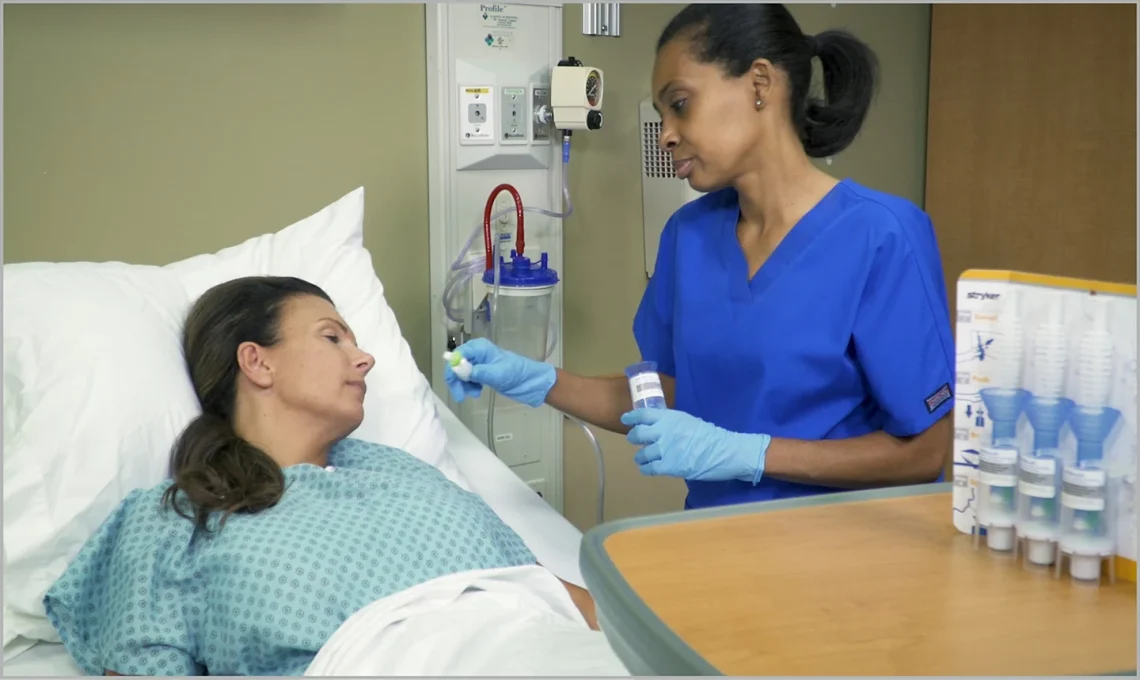
Introduction Hospital-acquired pneumonia (HAP), also known as nosocomial pneumonia, is a lung infection that develops 48 hours or more after a patient is admitted to the hospital, and it was not incubating at the time of admission. It is one of the most common and serious healthcare-associated infections, leading to increased morbidity, mortality, longer hospital stays, and higher medical costs. Understanding the risk factors and implementing effective prevention strategies are essential to reducing the incidence of HAP and improving patient outcomes. What Is Hospital-Acquired Pneumonia? Hospital-acquired pneumonia is a lung infection contracted during a hospital stay. It differs from community-acquired…
-
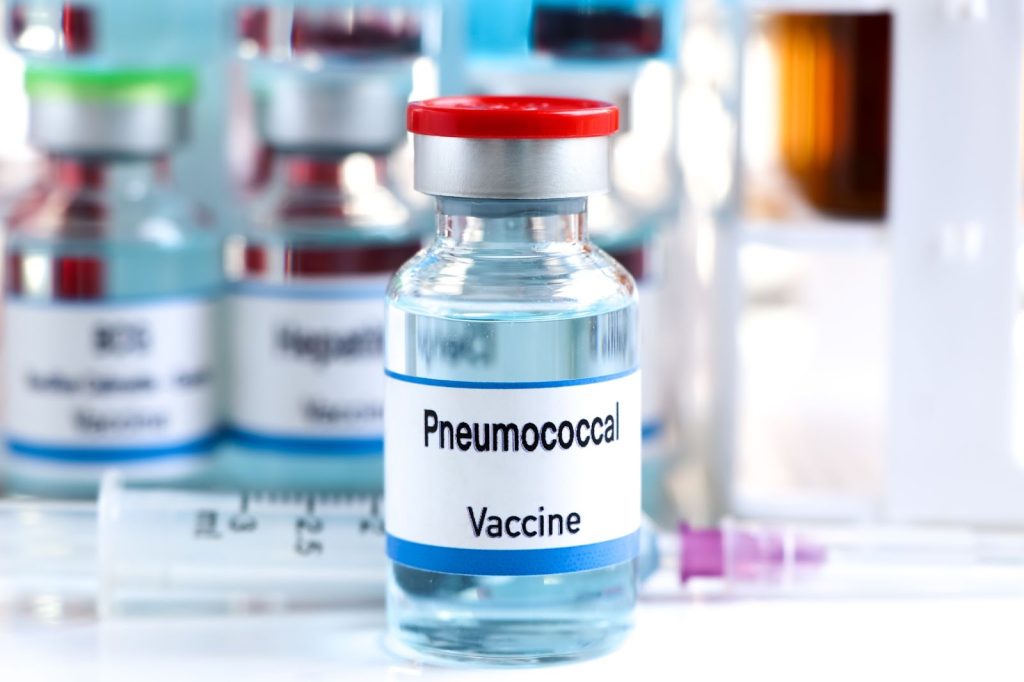
Introduction Pneumonia is a serious lung infection that can lead to severe illness, hospitalization, and even death, particularly among infants, older adults, and people with chronic health conditions. Vaccination is one of the most effective ways to prevent pneumococcal pneumonia, a type caused by the Streptococcus pneumoniae bacteria. Two main vaccines are commonly recommended: PCV13 (Pneumococcal Conjugate Vaccine) and PPSV23 (Pneumococcal Polysaccharide Vaccine). In this article, we’ll explore the key differences between these vaccines, who needs them, when to get them, and how they protect you from serious illness. Why Pneumonia Vaccines Are Important Pneumococcal disease doesn’t just cause pneumonia—it…
-
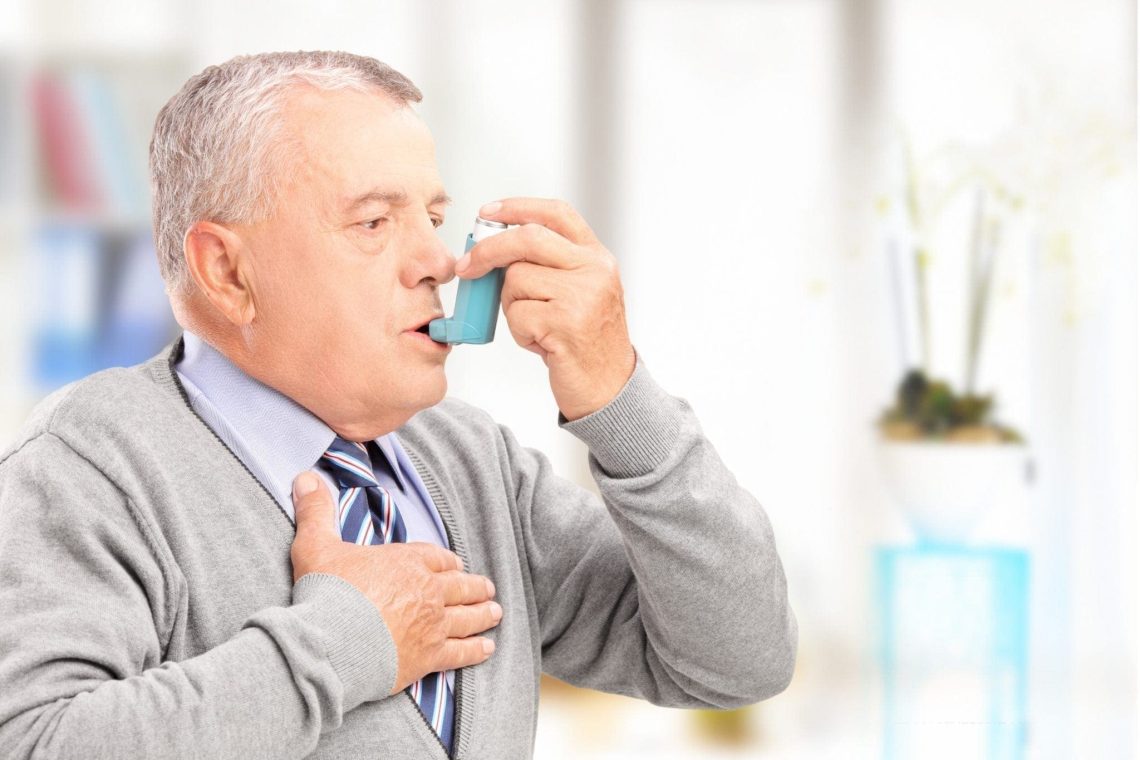
Introduction Chronic bronchitis is a serious respiratory condition characterized by long-term inflammation of the bronchial tubes, resulting in persistent cough and mucus production. It is a form of Chronic Obstructive Pulmonary Disease (COPD) and can significantly impact quality of life if not managed properly. While chronic bronchitis cannot be cured, effective management strategies, lifestyle changes, and medical treatments can help control symptoms and prevent complications. This article provides a comprehensive guide to managing chronic bronchitis through lifestyle modifications and long-term care. What is Chronic Bronchitis? Chronic bronchitis is defined as: Common Symptoms Main Causes and Risk Factors Goals of Chronic…