• Blog - Prevention & Wellness

    High-Risk Groups for Flu Complications: Are You Protected?

    Introduction The flu (influenza) is often dismissed as a seasonal nuisance, but for millions of people, it can lead to serious complications, hospitalizations, and even death. While most healthy individuals recover within a week or two, those in high-risk groups are far more vulnerable to severe illness. Each year, thousands of people suffer flu-related complications that could have been prevented with vaccination, early treatment, and extra care. This article explores who falls into high-risk categories, what complications they face, and how to reduce their risk of severe flu outcomes. Why Flu Can Be Dangerous Influenza is a contagious respiratory virus…

  • Blog - Prevention & Wellness

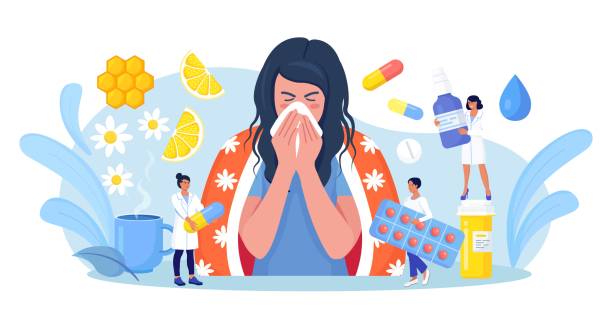
    Caring for Someone with the Flu: A Home Caretaker’s Guide

    Introduction Caring for a loved one with the flu can feel overwhelming, especially when symptoms are intense and the risk of spreading infection is high. Whether it’s a child, partner, elderly parent, or housemate, knowing how to safely and effectively care for someone with the flu is essential for their recovery—and your protection. This guide offers practical steps for home caretakers, from managing symptoms and preventing complications to minimizing the spread of the virus in your household. Understanding the Flu The influenza virus causes a sudden-onset illness that affects the respiratory system. Typical symptoms include: Flu can last 5–7 days,…

  • Blog - Diseases & Conditions - Prevention & Wellness

    Flu Shot Facts: Debunking Common Myths & Understanding Benefits

    Introduction Every year, the flu (influenza) affects millions of people globally, leading to widespread illness, hospitalizations, and even death. Despite being a preventable illness, many individuals skip the annual flu shot, often due to myths, misinformation, or misunderstanding about how it works and who should get it. In this article, we’ll debunk common flu shot myths, explain how the vaccine works, and explore the real benefits of getting vaccinated, both for yourself and your community. What Is the Flu Shot? The flu shot is a vaccine designed to protect against the influenza viruses that research indicates will be most common…

  • Blog - Diseases & Conditions - Prevention & Wellness

    Preventing Hypertension: Early Steps for Long-Term Heart Health

    Introduction Hypertension, or high blood pressure, is a silent health threat affecting millions worldwide. Often symptomless, it quietly damages the heart, blood vessels, kidneys, and other vital organs over time. The good news? Hypertension is largely preventable with early lifestyle choices and interventions. Preventing high blood pressure early in life lays the foundation for long-term cardiovascular health, reducing risks of heart attack, stroke, kidney disease, and premature death. This article explores practical early steps to prevent hypertension and promote heart health that lasts a lifetime. Understanding Hypertension and Its Risks Blood pressure measures the force of blood pushing against artery…

  • Blog - Prevention & Wellness

    Natural Supplements for Blood Pressure: What Works (and What Doesn’t)?

    Introduction High blood pressure, or hypertension, is a common health issue that significantly increases the risk of heart disease, stroke, and kidney problems. While medications and lifestyle changes remain the cornerstone of blood pressure management, many people explore natural supplements as additional or alternative options. But with countless supplements marketed for blood pressure control, it can be confusing to know which ones are effective and safe. This article dives into the science behind popular natural supplements, highlighting those with proven benefits, those with mixed evidence, and those that don’t work—or may even be harmful. Why Consider Natural Supplements? Some individuals…

  • Blog - Prevention & Wellness

    Alcohol & Blood Pressure: Finding the Safe Balance

    Introduction Alcohol consumption is a widespread social and cultural practice around the world. While moderate drinking is often viewed as acceptable—and sometimes even linked to certain health benefits—its relationship with blood pressure is complex. Excessive or frequent alcohol intake is a known risk factor for hypertension (high blood pressure), which increases the risk of heart disease, stroke, and kidney problems. Understanding how alcohol affects blood pressure, what constitutes safe drinking levels, and strategies to balance enjoyment with health is critical for anyone concerned about cardiovascular well-being. This article explores the impact of alcohol on blood pressure, guidelines for safe consumption,…

  • Blog - Prevention & Wellness

    The Potassium Connection: How This Mineral Helps Control BP

    Introduction High blood pressure, or hypertension, affects millions worldwide and significantly increases the risk of heart disease, stroke, and kidney problems. While much attention focuses on reducing sodium intake, another mineral—potassium—plays a crucial role in maintaining healthy blood pressure levels. Potassium helps balance the effects of sodium, relaxes blood vessel walls, and supports kidney function. Unfortunately, many people do not get enough potassium in their diets. Understanding the potassium connection can empower you to make dietary choices that help control your blood pressure naturally. This article explores how potassium influences blood pressure, the ideal intake levels, food sources, and precautions…

  • Blog - Lifestyle & Wellness - Prevention & Wellness

    When Lifestyle Isn’t Enough: Understanding Blood Pressure Medications

    Introduction High blood pressure (hypertension) affects millions globally and is a leading cause of heart disease, stroke, and kidney failure. While lifestyle changes—such as diet, exercise, and stress management—are the cornerstone of managing hypertension, they aren’t always sufficient. For many people, blood pressure medications become a necessary part of treatment to keep numbers within a safe range and reduce the risk of complications. Understanding when medications are needed, how they work, and what to expect can help patients feel more empowered and confident in their treatment journey. This article dives deep into the world of blood pressure medications: why they’re…

  • Blog - Prevention & Wellness

    Home Blood Pressure Monitoring: A Step-by-Step Guide to Accuracy

    Introduction High blood pressure (hypertension) is a leading cause of heart disease, stroke, and kidney failure worldwide. Because it often has no symptoms, it’s known as the “silent killer.” One of the most effective ways to stay ahead of the condition is by regularly checking your blood pressure at home. Home blood pressure monitoring empowers you to track your progress, evaluate lifestyle changes, and alert your doctor to concerning trends—all from the comfort of your home. However, for results to be meaningful, accuracy is essential. This article provides a step-by-step guide to accurate home blood pressure monitoring, from choosing the…

  • Blog - Prevention & Wellness

    Stress Less, Pressure Less: Mindfulness Techniques for Hypertension

    Introduction High blood pressure—or hypertension—is often called the “silent killer” because it can damage the body for years without noticeable symptoms. While medication and diet play key roles in managing hypertension, one powerful yet often overlooked tool is stress reduction through mindfulness. Chronic stress triggers the release of hormones like cortisol and adrenaline that constrict blood vessels and raise blood pressure. Over time, this constant strain can increase the risk of heart attack, stroke, and kidney disease. The good news? Science shows that mindfulness techniques can calm your nervous system, reduce stress, and significantly lower blood pressure. This article explores…