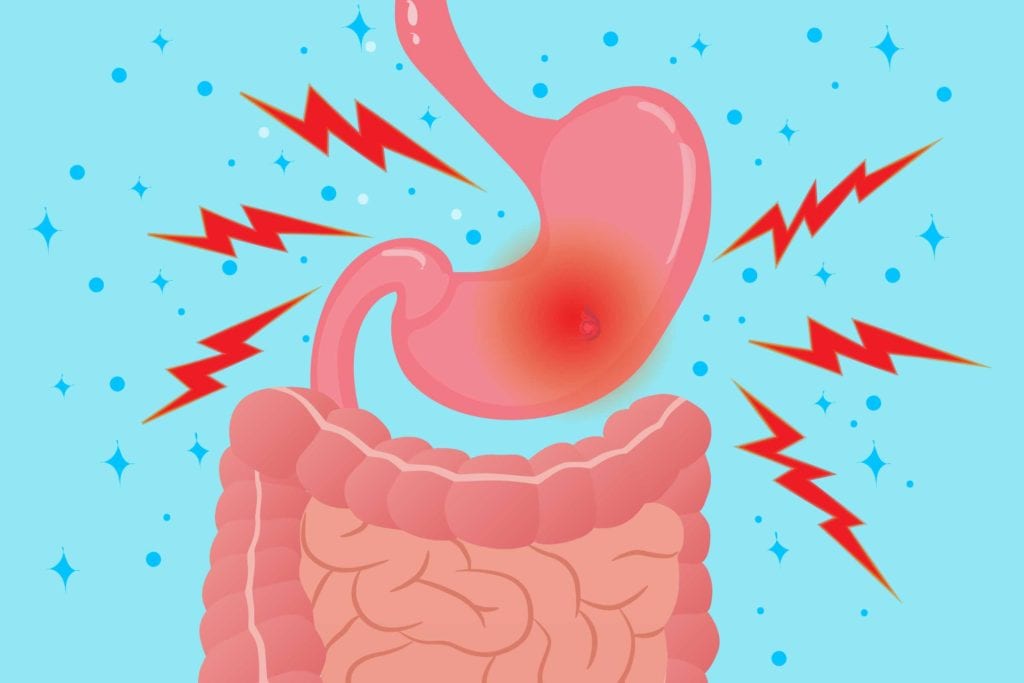
Introduction Abdominal pain is one of the most common reasons people seek medical care. In most cases, it is caused by minor issues such as indigestion, gas, or mild infections. However, sometimes abdominal pain signals a serious underlying condition that requires immediate medical attention. Recognizing red flag symptoms can be lifesaving, as they often point to urgent problems like appendicitis, bowel obstruction, perforated ulcers, internal bleeding, or even cancer. This article will help you understand when abdominal pain is an emergency, what warning signs to watch for, and when to seek medical help without delay. Why Abdominal Pain Can Be…
-
-
Introduction Chronic abdominal pain is a persistent and often distressing symptom that affects millions of people worldwide. Unlike acute abdominal pain, which typically comes on suddenly and resolves with treatment, chronic abdominal pain lasts for weeks, months, or even years. It can interfere with daily activities, negatively impacting one’s quality of life. Chronic abdominal pain can be caused by a range of gastrointestinal conditions, including Irritable Bowel Syndrome (IBS), Inflammatory Bowel Disease (IBD), Gastroesophageal Reflux Disease (GERD), and functional disorders. These conditions often present with overlapping symptoms, making accurate diagnosis and treatment essential for effective management. In this article, we…
-
Introduction Sudden abdominal pain is a common yet concerning symptom that often signals an underlying health issue. The abdomen houses many critical organs such as the stomach, liver, intestines, gallbladder, pancreas, and spleen, so pain in this area can stem from a wide variety of conditions. While some causes of abdominal pain are benign and temporary, others require urgent medical attention. Among the most well-known causes of sudden abdominal pain are appendicitis and gallstones, but many other conditions can contribute to such discomfort. In this article, we will explore the common causes of acute abdominal pain, focusing on appendicitis and…
-
Introduction The abdominal area is a complex region that houses several vital organs, including the stomach, intestines, liver, pancreas, kidneys, spleen, and reproductive organs. The pain experienced in the abdomen can result from a wide variety of conditions, ranging from simple indigestion to life-threatening conditions like appendicitis or ectopic pregnancy. For physicians and healthcare providers, understanding where exactly the pain occurs helps in diagnosing the root cause. Similarly, patients who experience abdominal pain can benefit from knowing how the pain’s location might point to different types of conditions, allowing them to communicate more effectively with healthcare professionals. The abdomen is…
-
Introduction: Dengue fever is a mosquito-borne viral infection that poses significant health risks in many parts of the world. Caused by the dengue virus, it is primarily transmitted by Aedes mosquitoes, particularly Aedes aegypti and Aedes albopictus. Preventing dengue fever involves a combination of personal protective measures, community efforts, and awareness. This detailed article explores various strategies for preventing dengue fever, including mosquito control measures, recognizing symptoms, avoiding outbreak areas, and the importance of using repellents and protective clothing. Preventing Dengue Fever Preventing dengue fever requires a multifaceted approach that includes individual actions and community efforts: Eliminate mosquito breeding…
-
Introduction: Rocky Mountain spotted fever (RMSF) is a potentially life-threatening tick-borne illness caused by the bacterium Rickettsia rickettsii. With early recognition and prompt treatment being critical for a successful outcome, understanding how to identify RMSF symptoms and the available treatment options is essential. In this comprehensive blog, we discuss the nuances of RMSF, from recognizing its symptoms to exploring effective treatment strategies. Identifying RMSF Symptoms: Recognizing the symptoms of RMSF is crucial for early detection and timely intervention. While the presentation of RMSF can vary, certain hallmark symptoms can aid in its identification: Early Symptoms (Days 2 to 14…