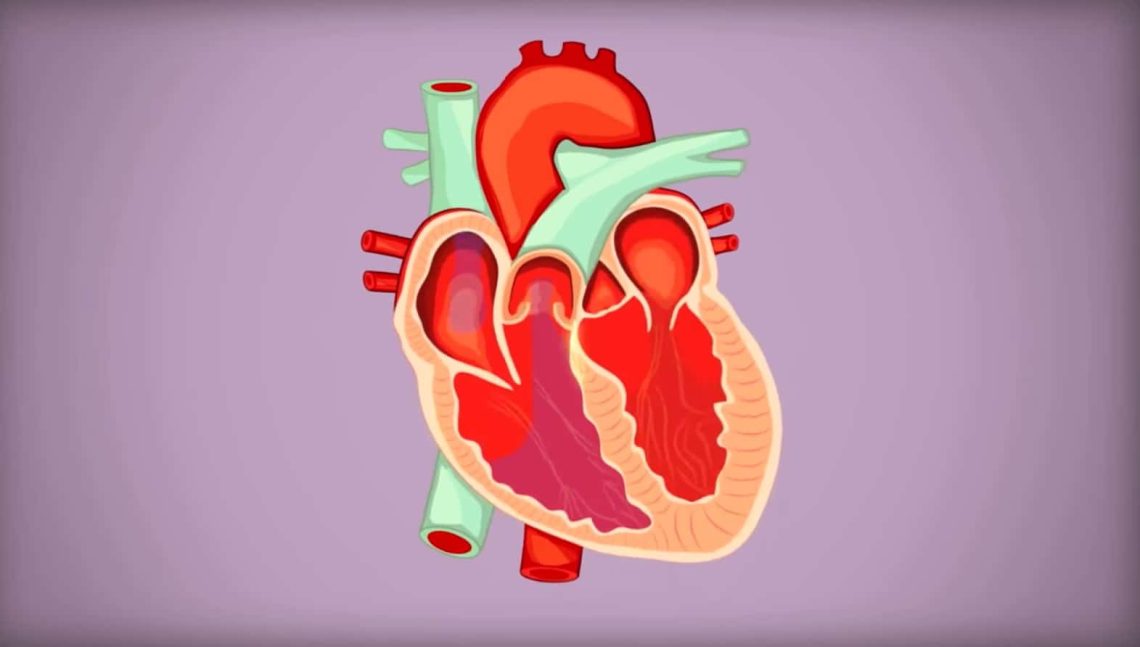
Introduction Stroke is a leading cause of death and long-term disability worldwide. Fortunately, many strokes can be prevented by managing key risk factors such as high blood pressure, elevated cholesterol, and atrial fibrillation (AFib). Understanding how these factors contribute to stroke and learning effective control strategies is vital for reducing your risk and protecting brain health. The Role of Blood Pressure in Stroke Risk Why Blood Pressure Matters High blood pressure (hypertension) is the single most important modifiable risk factor for both ischemic and hemorrhagic strokes. Elevated pressure damages artery walls, accelerates atherosclerosis, and increases the risk of vessel rupture.…
-
-
Introduction A healthy heart beats in a steady, rhythmic pattern—about 60 to 100 times per minute at rest. But when that rhythm becomes irregular, too fast, or too slow, it’s known as an arrhythmia. While some arrhythmias are harmless and go unnoticed, others can be life-threatening and require immediate medical attention. Understanding the different types of arrhythmias—from atrial fibrillation (AFib) to premature ventricular contractions (PVCs)—is key to recognizing symptoms early and managing treatment effectively. This article provides a comprehensive overview of common arrhythmias, their causes, symptoms, diagnosis, and treatment options. 1. What Is an Arrhythmia? An arrhythmia is an abnormal…
-
Atrial Fibrillation is a common and potentially serious heart condition that can lead to various complications, including strokes and heart failure. Recognizing the risk factors, obtaining an accurate diagnosis, and exploring the appropriate treatment options are essential in managing AFib.