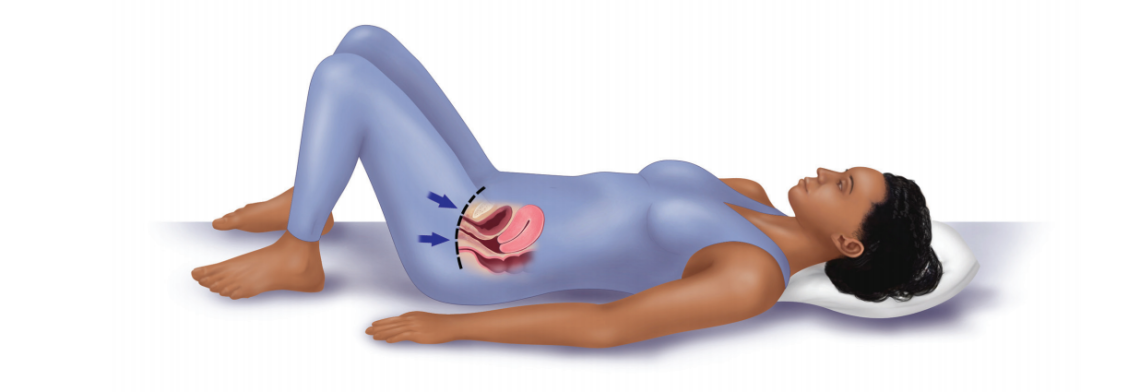
Introduction Urinary incontinence—the involuntary loss of bladder control—can affect daily life, self-confidence, and overall well-being. While medical treatments and exercises like pelvic floor training are important, lifestyle modifications play a crucial role in managing and reducing symptoms. Simple changes in diet, fluid intake, and body weight can significantly improve bladder control and reduce the frequency and severity of leakage. This article explores practical lifestyle strategies to help manage incontinence effectively. 1. Diet Modifications Certain foods and beverages can irritate the bladder and worsen incontinence. Adjusting your diet can make a noticeable difference. Bladder Irritants to Limit or Avoid Foods That…

-
-
Introduction Overactive bladder (OAB) is a common condition characterized by urinary urgency, frequency, nocturia (nighttime urination), and urge incontinence. It can significantly affect daily life, sleep, and emotional well-being. While lifestyle modifications, bladder training, and pelvic floor exercises are first-line strategies, medications play a crucial role in managing symptoms when behavioral interventions alone are insufficient. This article outlines the main classes of medications used for OAB, how they work, potential side effects, and considerations for safe use. 1. Antimuscarinic (Anticholinergic) Medications How They Work Common Drugs Benefits Potential Side Effects 2. Beta-3 Adrenergic Agonists How They Work Common Drugs Benefits…
-
Introduction Urge incontinence, also known as overactive bladder, is characterized by a sudden, intense urge to urinate, often leading to involuntary leakage. It can interfere with daily activities, sleep, and overall quality of life. While medications and lifestyle changes can help, bladder training is a first-line, non-invasive therapy proven to improve bladder control by teaching the bladder and brain to communicate more effectively. This article provides a step-by-step guide to bladder training techniques for managing urge incontinence. How Bladder Training Works Bladder training involves gradually increasing the time between bathroom visits, teaching the bladder to hold urine for longer periods…