• Blog - Prevention & Wellness

    Natural Supplements for Blood Pressure: What Works (and What Doesn’t)?

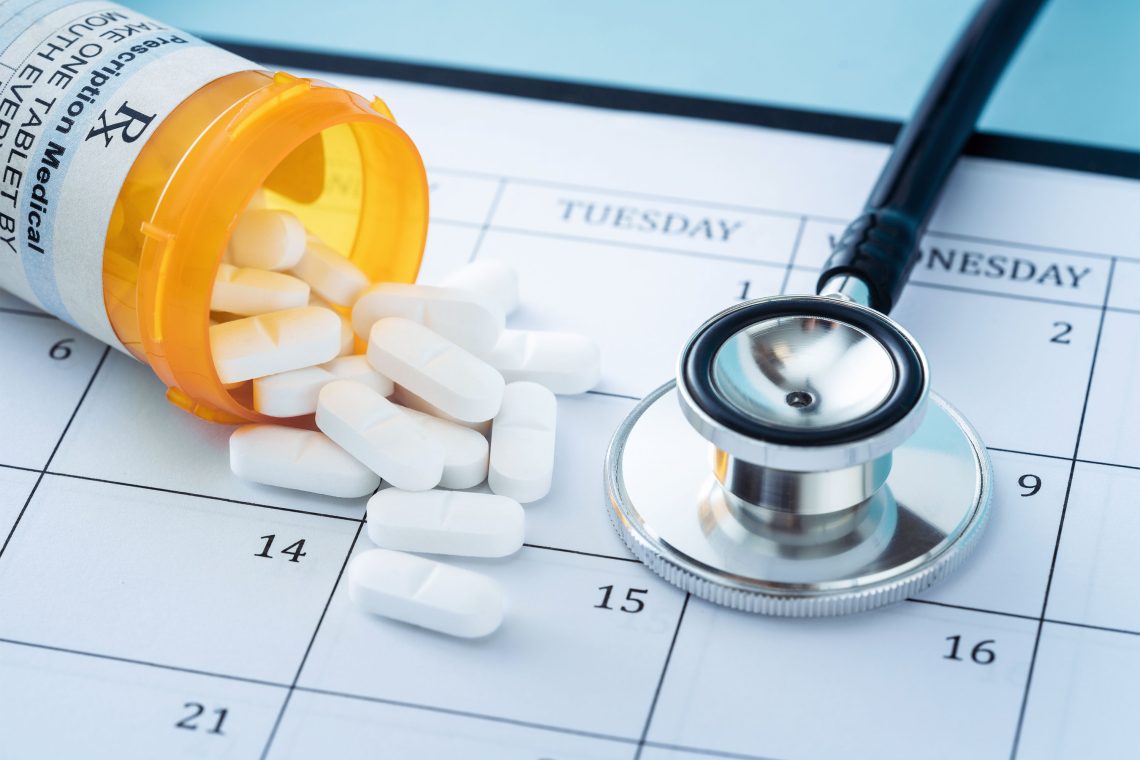
    Introduction High blood pressure, or hypertension, is a common health issue that significantly increases the risk of heart disease, stroke, and kidney problems. While medications and lifestyle changes remain the cornerstone of blood pressure management, many people explore natural supplements as additional or alternative options. But with countless supplements marketed for blood pressure control, it can be confusing to know which ones are effective and safe. This article dives into the science behind popular natural supplements, highlighting those with proven benefits, those with mixed evidence, and those that don’t work—or may even be harmful. Why Consider Natural Supplements? Some individuals…

  • Blog - Prevention & Wellness

    Alcohol & Blood Pressure: Finding the Safe Balance

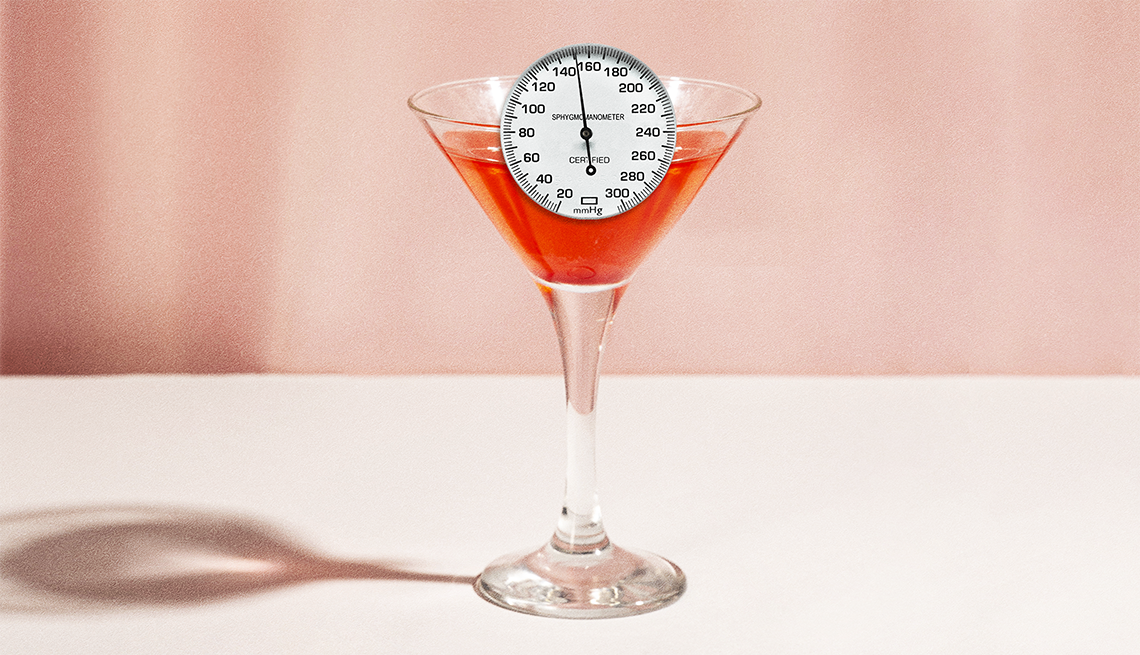
    Introduction Alcohol consumption is a widespread social and cultural practice around the world. While moderate drinking is often viewed as acceptable—and sometimes even linked to certain health benefits—its relationship with blood pressure is complex. Excessive or frequent alcohol intake is a known risk factor for hypertension (high blood pressure), which increases the risk of heart disease, stroke, and kidney problems. Understanding how alcohol affects blood pressure, what constitutes safe drinking levels, and strategies to balance enjoyment with health is critical for anyone concerned about cardiovascular well-being. This article explores the impact of alcohol on blood pressure, guidelines for safe consumption,…

  • Blog - Lifestyle & Wellness - Prevention & Wellness

    When Lifestyle Isn’t Enough: Understanding Blood Pressure Medications

    Introduction High blood pressure (hypertension) affects millions globally and is a leading cause of heart disease, stroke, and kidney failure. While lifestyle changes—such as diet, exercise, and stress management—are the cornerstone of managing hypertension, they aren’t always sufficient. For many people, blood pressure medications become a necessary part of treatment to keep numbers within a safe range and reduce the risk of complications. Understanding when medications are needed, how they work, and what to expect can help patients feel more empowered and confident in their treatment journey. This article dives deep into the world of blood pressure medications: why they’re…

  • Blog - Prevention & Wellness

    Home Blood Pressure Monitoring: A Step-by-Step Guide to Accuracy

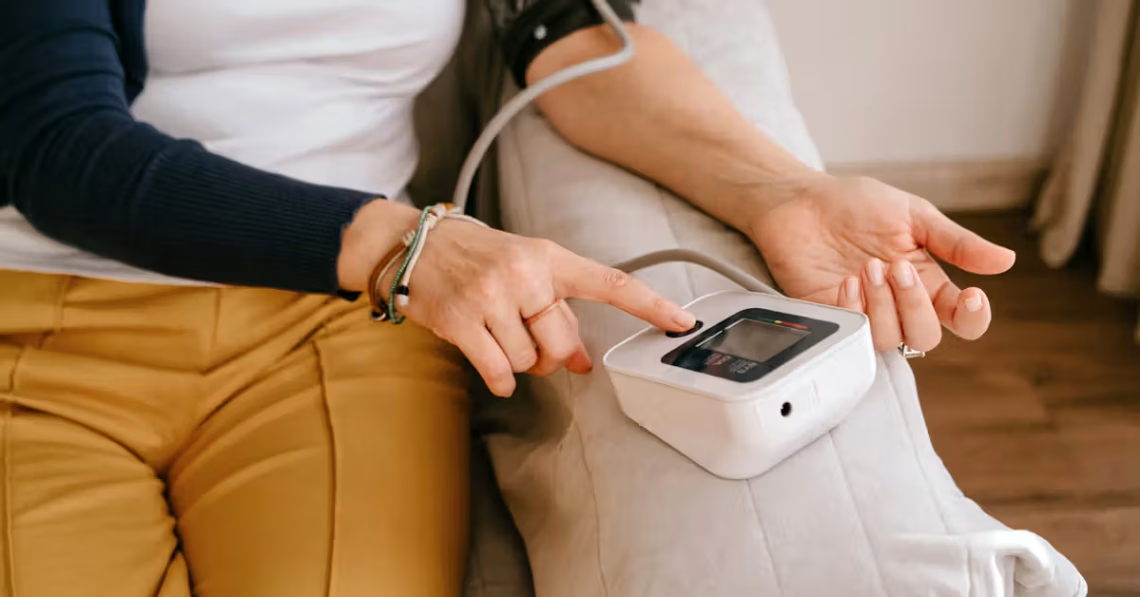
    Introduction High blood pressure (hypertension) is a leading cause of heart disease, stroke, and kidney failure worldwide. Because it often has no symptoms, it’s known as the “silent killer.” One of the most effective ways to stay ahead of the condition is by regularly checking your blood pressure at home. Home blood pressure monitoring empowers you to track your progress, evaluate lifestyle changes, and alert your doctor to concerning trends—all from the comfort of your home. However, for results to be meaningful, accuracy is essential. This article provides a step-by-step guide to accurate home blood pressure monitoring, from choosing the…

  • Blog - Prevention & Wellness

    Beyond Salt: Surprising Foods That Spike Your Blood Pressure

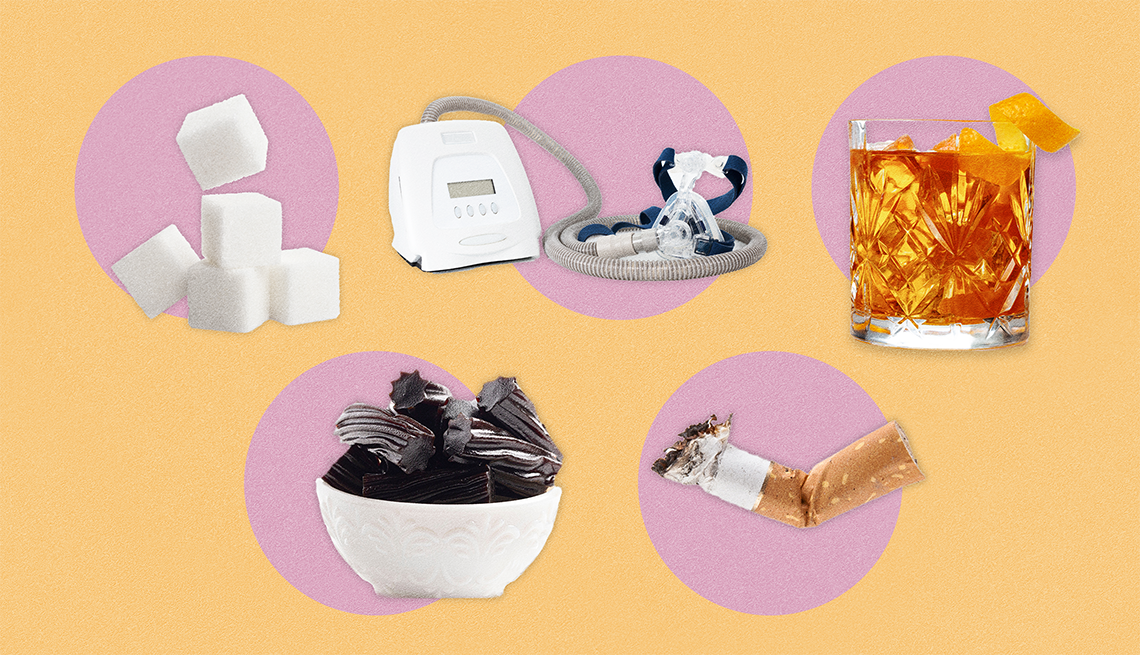
    Introduction When it comes to high blood pressure, salt (sodium) usually gets all the blame—and for good reason. Excess sodium causes the body to retain water, which puts extra pressure on blood vessels and raises blood pressure. But while watching your salt shaker is important, there’s more to the story. Many common foods—some of them even marketed as “healthy”—can silently drive up your blood pressure due to hidden ingredients, additives, or biological effects. If you’re trying to manage hypertension or prevent it, it’s time to look beyond salt and examine the surprising culprits on your plate. This article explores less…

  • Blog - Fitness & Exercise - Prevention & Wellness

    7 Effective Exercises Proven to Reduce Blood Pressure

    Introduction High blood pressure, or hypertension, affects nearly half of adults worldwide and is a major risk factor for heart disease, stroke, and kidney failure. While medications can help, lifestyle changes—particularly regular exercise—are one of the most powerful natural tools to manage and reduce high blood pressure. Research shows that specific types of physical activity can lower both systolic and diastolic blood pressure, sometimes as effectively as certain medications. In this guide, we’ll explore 7 scientifically backed exercises that can help you lower your blood pressure and improve your overall cardiovascular health. How Does Exercise Lower Blood Pressure? Regular physical…

  • Blog - Diseases & Conditions - Health Issues - Lifestyle & Wellness - Prevention & Wellness

    Vision Problems and Hypertension: A Clear Link

    Introduction: Hypertension, often referred to as high blood pressure, is a prevalent and potentially silent health condition affecting millions of individuals worldwide. It’s known for its association with various cardiovascular issues, but what’s less understood is its profound impact on eye health. The connection between hypertension and vision problems is an area of increasing concern, as it highlights how this chronic condition can extend its detrimental effects on our visual well-being.   Symptoms: Identifying vision issues associated with hypertension, particularly hypertensive retinopathy, is important for early diagnosis and intervention. Hypertensive retinopathy, a condition caused by elevated blood pressure, often progresses…

  • Blog - Diseases & Conditions - Fitness & Exercise - Health Issues - Lifestyle & Wellness - Nutrition & Diet - Prevention & Wellness

    Stroke Risk and Hypertension: A Silent Threat

    Introduction: The connection between high blood pressure and the increased risk of stroke is a critical health concern. Hypertension puts undue stress on blood vessels, making them more vulnerable to rupture or blockage, which can lead to strokes. Recognizing this relationship underscores the importance of early detection, proactive management of high blood pressure, and the implementation of preventative measures to reduce the risk of stroke, highlighting the substantial impact that blood pressure control can have on cerebrovascular health and overall well-being.   Symptoms: Strokes are typically classified into two main types: Ischemic Strokes: These occur when a blood clot obstructs…

  • Blog - Diseases & Conditions - Health Issues - Lifestyle & Wellness - Prevention & Wellness

    Diabetes and Heart Disease Connection: Explain how diabetes can increase the risk of heart disease.

    The intricate connection between diabetes and heart disease underscores the importance of comprehensive healthcare management for individuals living with diabetes. Recognizing the risk factors and the shared mechanisms between these conditions allows for more effective prevention and treatment. With proper medical guidance, lifestyle changes, and adherence to prescribed treatments, individuals with diabetes can mitigate the risk of heart disease and improve their overall well-being.

  • Blog - Diseases & Conditions - Fitness & Exercise - Health Issues - Lifestyle & Wellness - Nutrition & Diet - Prevention & Wellness

    Heart Disease Prevention Strategies: Discuss lifestyle changes and preventive measures against heart disease.

    The key to success in heart disease prevention is making long-term commitments to a healthier lifestyle. It's not about radical changes but about making sustainable choices that improve overall well-being and cardiovascular health.