• Blog - Prevention & Wellness

    Finding Emotional Support: Resources for Cancer Patients and Families

    Introduction A cancer diagnosis impacts not only the physical body but also the emotional and psychological well-being of patients and their families. The journey through cancer treatment can be overwhelming, marked by fear, uncertainty, stress, and sometimes isolation. Emotional support is essential to help patients and loved ones cope, build resilience, and maintain quality of life. This article explores the importance of emotional support, common emotional challenges faced during cancer, and a variety of resources available to patients and families. Why Emotional Support Matters in Cancer Care Common Emotional Challenges in Cancer Types of Emotional Support 1. Professional Counseling and…


  • Blog - Diseases & Conditions

    Talking to Children About a Cancer Diagnosis

    Introduction When a loved one is diagnosed with cancer, it’s challenging for the entire family—especially children. Children are sensitive and perceptive, and the way adults communicate about the diagnosis can significantly impact their emotional well-being. Open, honest, and age-appropriate conversations can help children feel safe, understand the situation, and cope better. This article provides guidance on how to talk to children about cancer, what to say, and how to support them through the process. Why Talking to Children About Cancer Matters When to Talk to Children How to Prepare for the Conversation What to Say: Age-Appropriate Communication For Young Children…

  • Blog - Diseases & Conditions - Health Issues

    Palliative Care vs. Hospice: Supportive Care Throughout the Journey

    Introduction Facing a serious illness such as cancer, heart failure, or advanced lung disease can be overwhelming—not just physically but emotionally and psychologically. Supportive care services like palliative care and hospice are designed to improve the quality of life for patients and families coping with serious health challenges. Although often confused, palliative care and hospice serve distinct roles and apply at different stages of illness. This article explores the differences and similarities between palliative care and hospice, when each is appropriate, and how they help patients and caregivers throughout the healthcare journey. What is Palliative Care? Palliative care is specialized…

  • Blog - Prevention & Wellness

    Genetic Testing for Cancer Risk: Who Should Consider It?

    Introduction Advances in genetics have revolutionized the understanding and management of cancer risk. Genetic testing can identify inherited mutations that increase the likelihood of developing certain types of cancer. This knowledge empowers individuals to take preventive measures, undergo tailored screening, and make informed decisions about their health. This article explains what genetic testing for cancer risk entails, who should consider it, the benefits and limitations, and how to prepare for and interpret test results. What is Genetic Testing for Cancer Risk? Genetic testing involves analyzing DNA to detect inherited mutations in specific genes that increase cancer susceptibility. These mutations can…

  • Blog - Nutrition & Diet

    Nutrition During Cancer Treatment: Eating Well When It’s Hard

    Introduction Cancer treatment, including chemotherapy, radiation, and surgery, can cause various side effects that make eating challenging. Loss of appetite, nausea, taste changes, mouth sores, and fatigue often affect a patient’s ability to consume and enjoy food. Yet, good nutrition is essential to maintain strength, support the immune system, tolerate treatments better, and improve recovery. This article explores the challenges of eating during cancer treatment, practical nutritional strategies, and tips for managing common eating difficulties to help patients nourish their bodies effectively even when it’s hard. Why Nutrition Matters During Cancer Treatment Common Nutrition Challenges in Cancer Treatment 1. Loss…

  • Blog - Diseases & Conditions - Health Issues

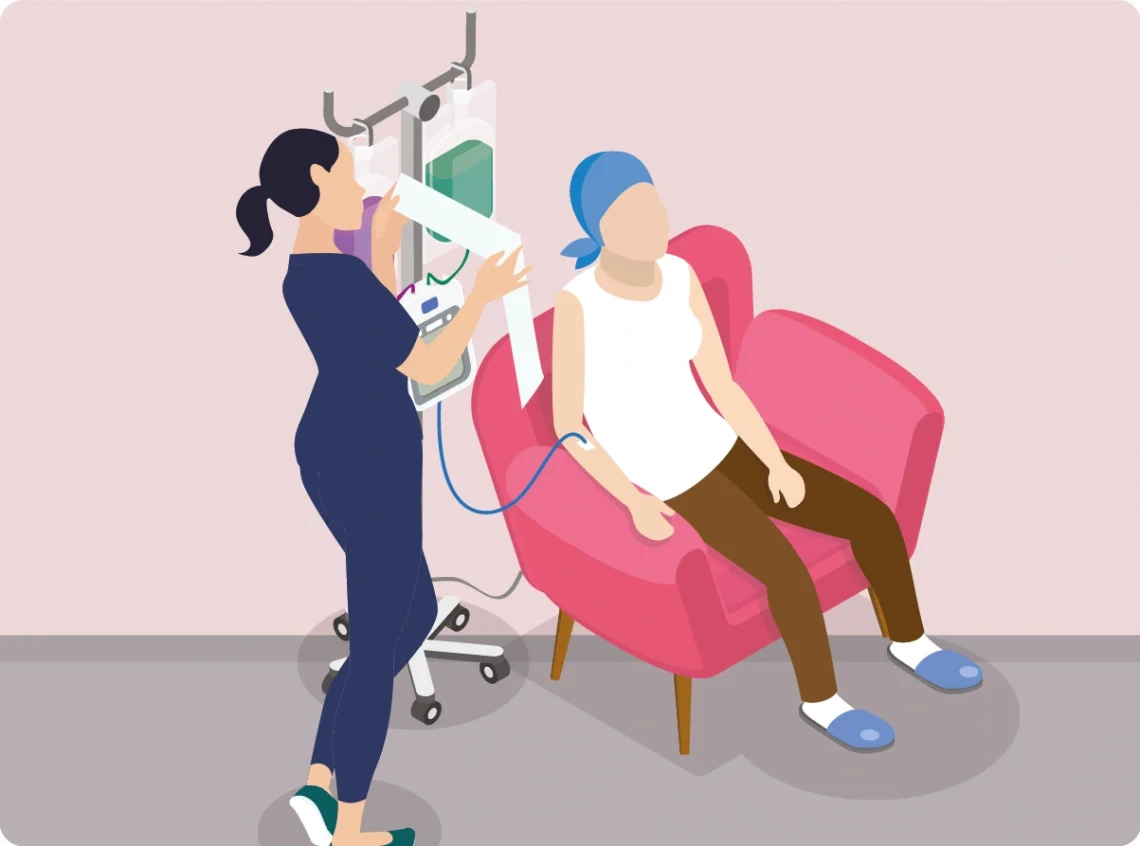
    Managing Chemotherapy Side Effects: Nausea, Fatigue, Hair Loss

    Introduction Chemotherapy is a powerful cancer treatment that uses drugs to destroy cancer cells. While effective, it often comes with side effects due to its impact on both cancerous and healthy cells. Among the most common and challenging side effects are nausea, fatigue, and hair loss. Managing these symptoms is essential to maintain quality of life, ensure treatment adherence, and support overall well-being. This article explores why these side effects occur, strategies for managing them, and tips for patients undergoing chemotherapy. Why Do Chemotherapy Side Effects Occur? Chemotherapy drugs target rapidly dividing cells, which include cancer cells but also affect…

  • Blog - Diseases & Conditions - Health Issues

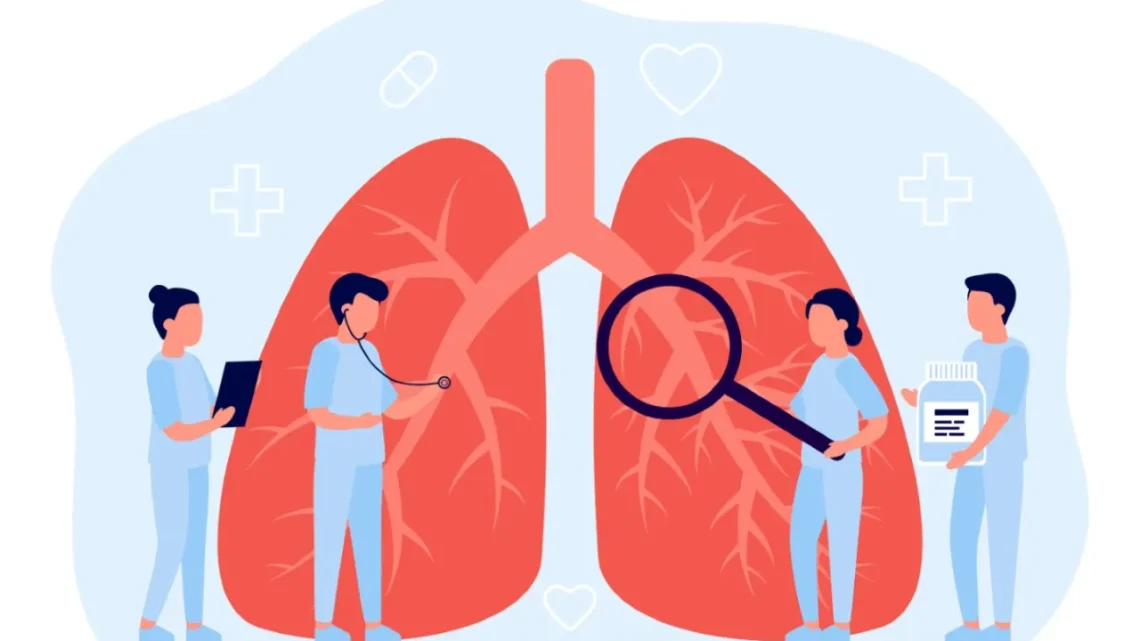
    Understanding Cancer Screening Guidelines (Breast, Colon, Lung, etc.)

    Introduction Cancer screening plays a vital role in early detection, improving the chances of successful treatment and survival. Different cancers have specific screening tests recommended based on evidence about who benefits most and when to start screening. Understanding these guidelines helps individuals and healthcare providers make informed decisions about timely screening and preventive care. This article provides an overview of cancer screening guidelines for some of the most common cancers: breast, colorectal, lung, cervical, and prostate. It explains who should be screened, how often, and the benefits and limitations of these screenings. Why Cancer Screening Matters General Principles of Cancer…