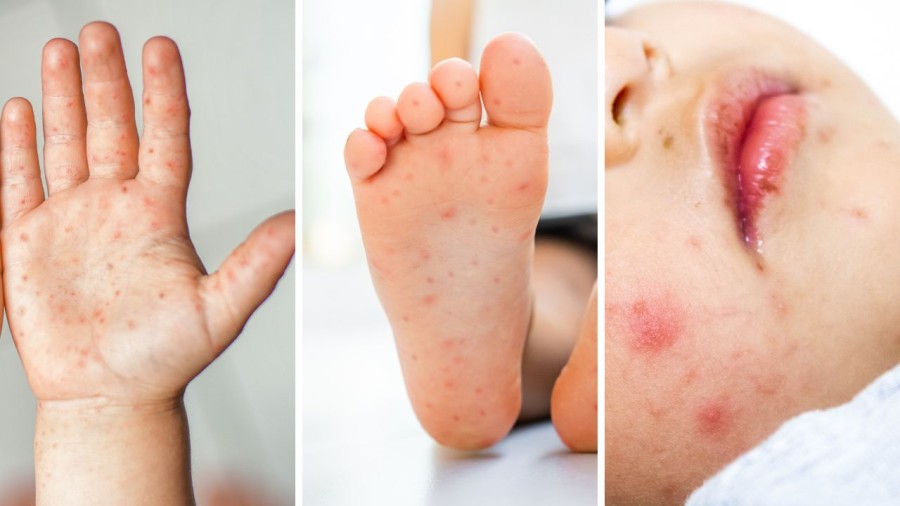
Introduction Viral rashes are a common reason for pediatric visits. They are usually caused by viral infections and often come with fever, irritability, and other systemic symptoms. While most viral rashes are mild and self-limiting, recognizing the type of rash helps in managing symptoms, preventing complications, and reducing spread. Three of the most frequent viral rashes in children include: 1. Chickenpox (Varicella) 2. Roseola (Exanthem Subitum) 3. Hand-Foot-and-Mouth Disease (HFMD) General Management of Viral Rashes in Children When to Seek Medical Attention Prevention Tips Conclusion Viral rashes like chickenpox, roseola, and hand-foot-and-mouth disease are common in children and usually self-limiting.…
-
-
Introduction Febrile seizures are convulsions triggered by a rapid rise in body temperature, most commonly in children between 6 months and 5 years of age. They can be alarming for parents, but are usually benign and self-limiting. Understanding what febrile seizures are, why they happen, and how to respond is essential for parents and caregivers to provide safe care and reduce anxiety. What Are Febrile Seizures? Causes and Risk Factors Important: Most febrile seizures are harmless and do not indicate epilepsy or long-term neurological problems. Signs and Symptoms During a febrile seizure, you may notice: Duration: Typically less than 5…
-
Introduction A sore throat is one of the most common reasons parents seek medical advice for their children. While most sore throats in children are mild and caused by viral infections, some can signal more serious conditions requiring prompt medical attention. Understanding the causes, symptoms, home care measures, and red flags can help parents respond appropriately and ensure their child’s well-being. This article explains why children develop sore throats, how to care for them at home, and when to seek urgent evaluation from a pediatrician. Common Causes of Sore Throat in Children 1. Viral Infections Viruses are responsible for 70–90%…
-
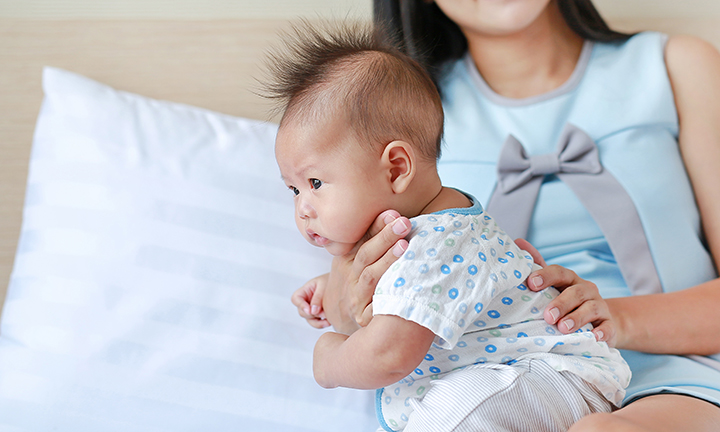
Introduction Hiccups are a natural reflex that can occur in people of all ages, including babies and young children. They are caused by involuntary contractions of the diaphragm, often followed by the closure of the vocal cords, producing the familiar “hic” sound. In infants, hiccups are especially common because their diaphragm and nervous system are still developing. While they are usually harmless, parents may feel concerned or want to help their child find relief. Unlike adults, however, remedies for babies and children must be safe, gentle, and suitable for their age. This article explores effective, safe, and simple ways to…
-
Introduction When a loved one is diagnosed with cancer, it’s challenging for the entire family—especially children. Children are sensitive and perceptive, and the way adults communicate about the diagnosis can significantly impact their emotional well-being. Open, honest, and age-appropriate conversations can help children feel safe, understand the situation, and cope better. This article provides guidance on how to talk to children about cancer, what to say, and how to support them through the process. Why Talking to Children About Cancer Matters When to Talk to Children How to Prepare for the Conversation What to Say: Age-Appropriate Communication For Young Children…