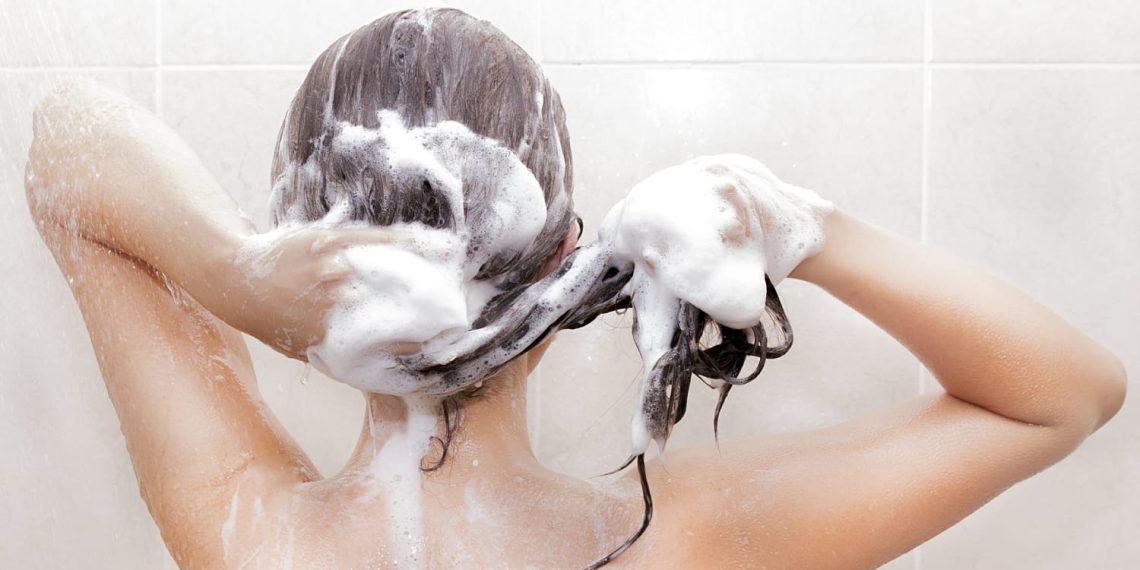
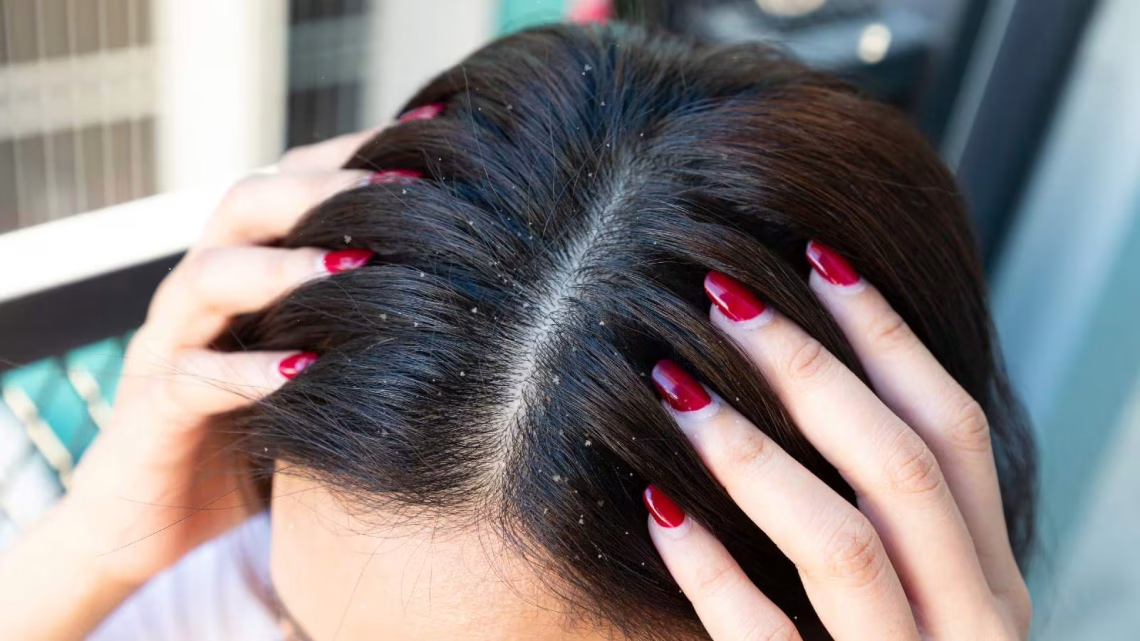
Introduction Dandruff is a common scalp condition that can be controlled effectively, but recurrence is common. Flakes, itching, and irritation may return if preventive strategies are not followed. Maintaining a healthy scalp through consistent care, lifestyle habits, and targeted treatments is essential to minimizing flare-ups. This article outlines practical strategies for preventing dandruff recurrence, helping you keep your scalp healthy and flake-free over the long term. 1. Maintain a Regular Washing Routine 2. Keep the Scalp Moisturized 3. Scalp Massage 4. Healthy Lifestyle Habits 5. Avoid Irritants 6. Natural Preventive Measures 7. Monitor and Treat Early 8. Rotate Medicated Treatments…
-
-
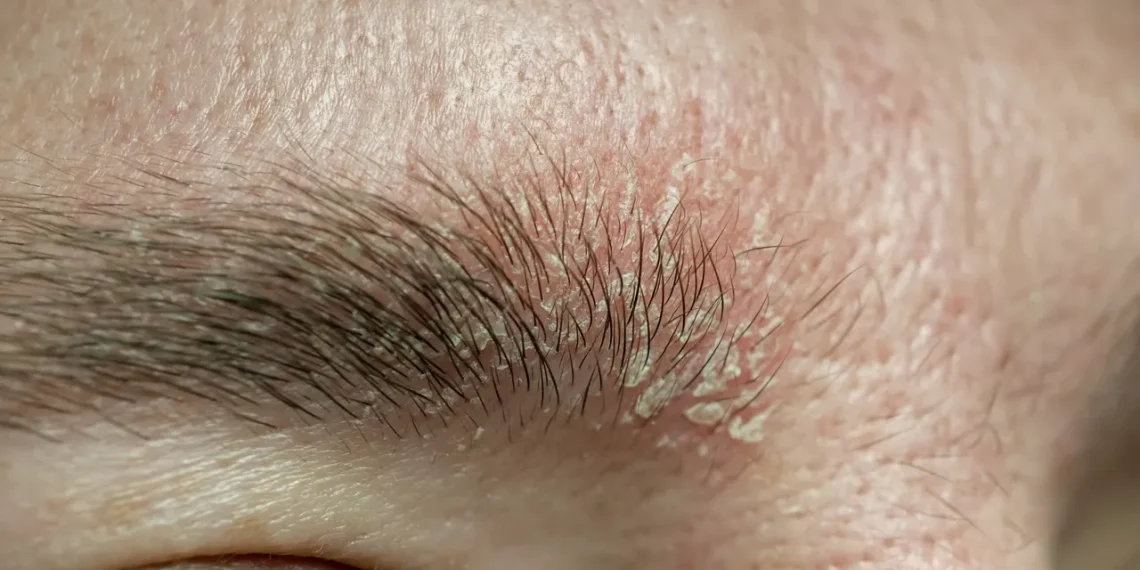
Introduction While dandruff is commonly associated with the scalp, it can also affect facial hair areas such as beards and eyebrows. Flaking, itching, and redness in these regions can be uncomfortable and noticeable, impacting self-confidence. Dandruff in the beard or eyebrows is often caused by seborrheic dermatitis, fungal overgrowth, or dry skin. This article explores the causes, symptoms, and effective strategies to manage dandruff in beards and eyebrows. Causes of Facial Dandruff 1. Seborrheic Dermatitis 2. Dry Skin 3. Skin Irritation 4. Poor Hygiene Symptoms to Watch For Treatment Approaches 1. Gentle Cleansing 2. Anti-Dandruff Shampoos 3. Moisturizing 4. Exfoliation…
-
Introduction Dandruff is a common scalp condition characterized by flaking, itching, and irritation. While genetics, stress, and scalp hygiene play significant roles, there is growing interest in the role of diet in dandruff. Certain foods may influence scalp health by affecting inflammation, oil production, and immune response, all of which can impact dandruff severity. This article explores the potential dietary connections to dandruff, foods that may help or worsen the condition, and practical nutrition tips for a healthier scalp. How Diet May Influence Dandruff 1. Inflammation 2. Sebum Production 3. Immune System Function Foods That May Worsen Dandruff 1. Sugary…
-
Introduction Dandruff is a common scalp condition characterized by flaking, itching, and irritation. While over-the-counter shampoos and natural remedies are effective for many people, some cases are stubborn or severe. Persistent dandruff may be a result of seborrheic dermatitis, psoriasis, or fungal overgrowth, requiring prescription-strength treatments. This article explores prescription options for managing stubborn dandruff, including topical and oral medications, how they work, and guidelines for safe use. When Is Prescription Treatment Needed? Topical Prescription Treatments 1. Ketoconazole 2% or 4% 2. Ciclopirox 3. Topical Corticosteroids 4. Topical Calcineurin Inhibitors Oral Prescription Treatments (For Severe or Refractory Cases) 1. Oral…
-
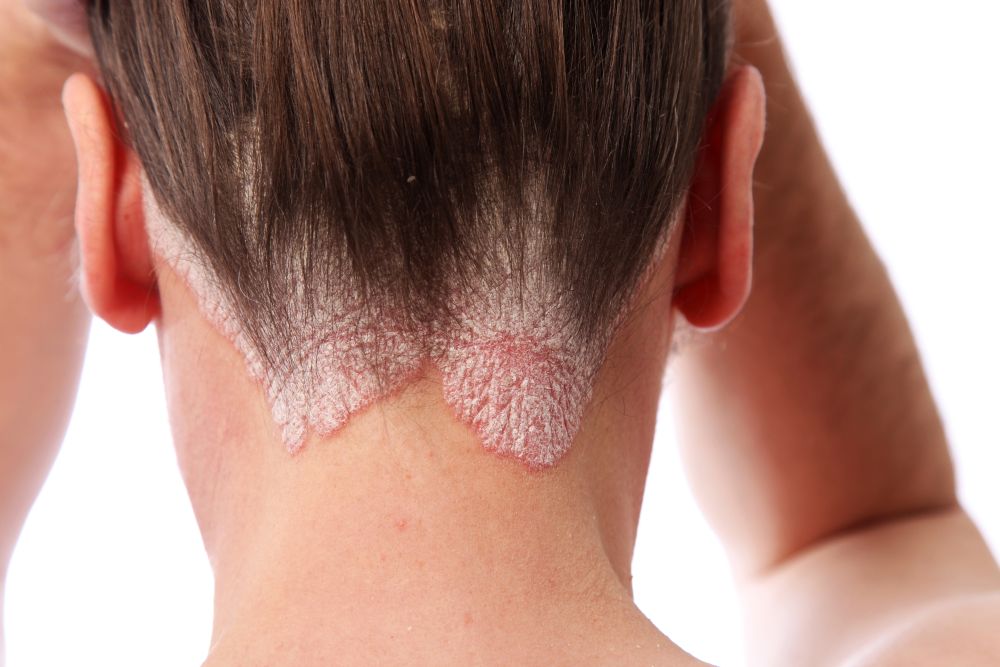
Introduction Dandruff is often perceived as a minor cosmetic concern, but in many cases, it is caused by a medical condition called seborrheic dermatitis (SD). This chronic inflammatory skin disorder affects areas rich in oil glands, such as the scalp, face, and upper chest. On the scalp, SD can lead to flaking, redness, itching, and irritation, often mistaken for ordinary dandruff. Understanding seborrheic dermatitis is key to choosing the right treatments and managing symptoms effectively. This article explores the causes, symptoms, and treatment approaches for seborrheic dermatitis of the scalp. What is Seborrheic Dermatitis? Causes and Triggers 1. Fungal Overgrowth…
-
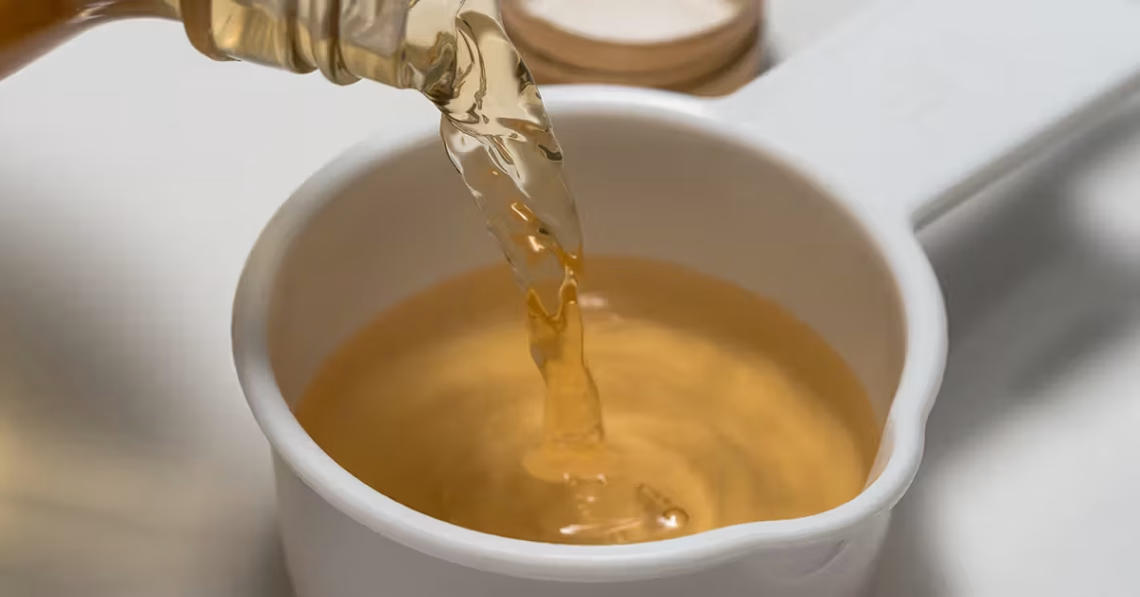
Introduction Dandruff is a common scalp condition that causes itching, flaking, and irritation. While medicated shampoos are effective, many people prefer natural remedies to manage mild to moderate dandruff. Two of the most popular natural treatments are tea tree oil and apple cider vinegar (ACV) rinses. These remedies are believed to help control fungal growth, balance scalp pH, and reduce inflammation. This article explores how tea tree oil and apple cider vinegar work, how to use them safely, and additional tips for maintaining a healthy, flake-free scalp. Tea Tree Oil for Dandruff How It Works How to Use Tips Apple…
-
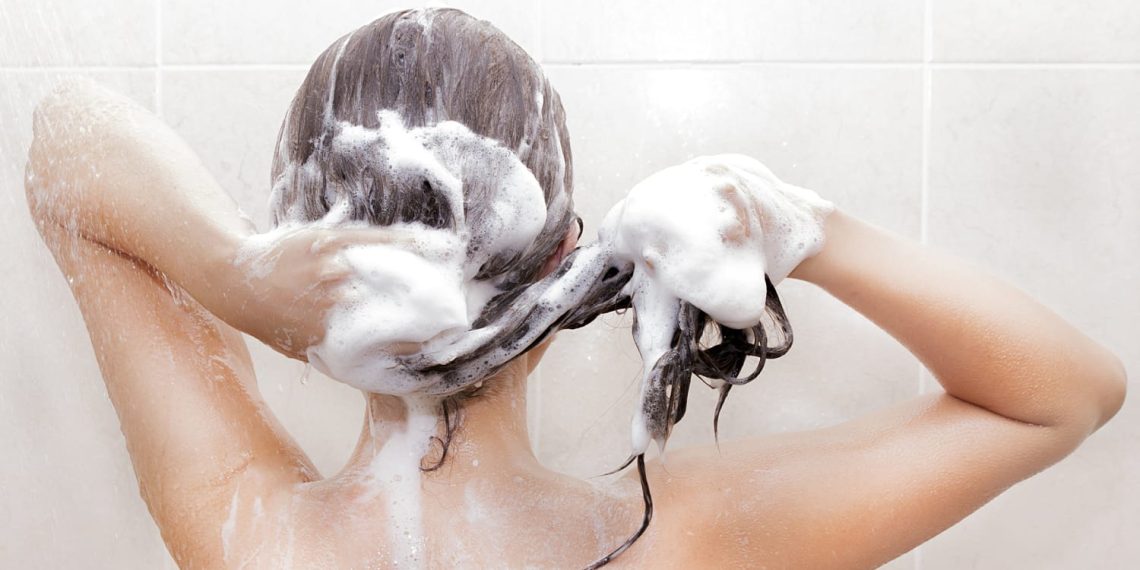
Introduction Dandruff is a common scalp condition characterized by flaking, itching, and sometimes redness. One of the most effective ways to manage dandruff is through regular shampooing, which helps remove excess oil, dead skin, and fungal buildup. However, the frequency of hair washing can vary depending on the severity of dandruff, scalp type, and the shampoo used. Washing too often or too little can either irritate the scalp or fail to control flakes. This article provides guidance on how often to wash your hair to keep dandruff under control while maintaining a healthy scalp. Understanding the Role of Hair Washing…