• Blog - Diseases & Conditions - Health Issues

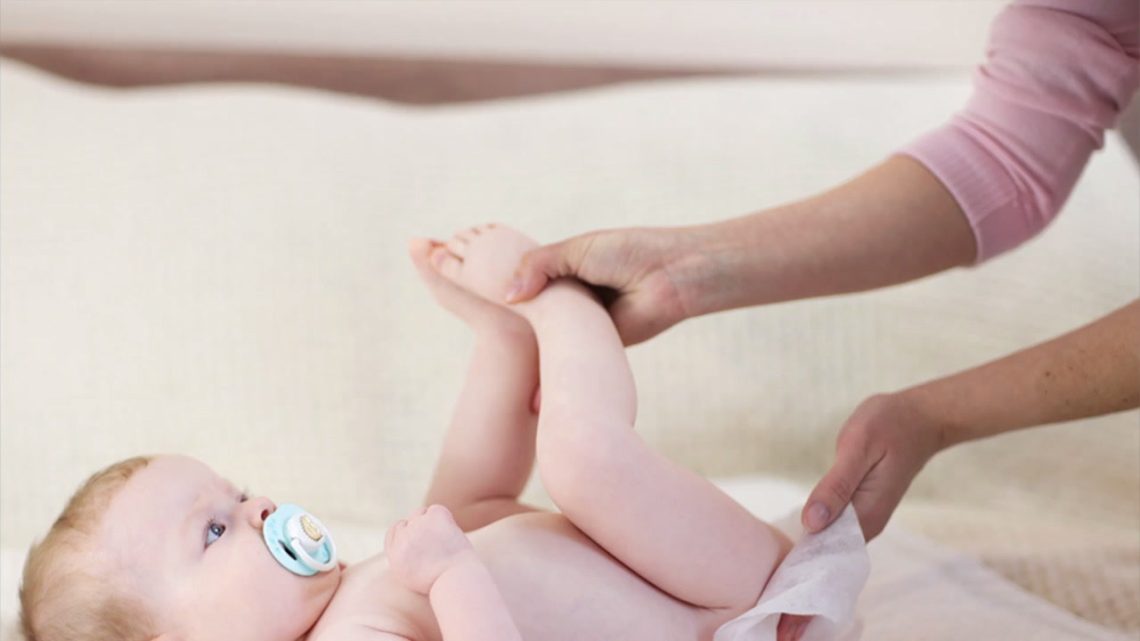
    Diarrhea in Babies and Toddlers: Care and When to Call the Pediatrician

    Introduction Diarrhea is a common concern among infants and young children and one of the most frequent reasons parents seek pediatric care. It is typically defined as an increase in the frequency, looseness, or volume of stools compared to a child’s normal pattern. While many cases are mild and short-lived, diarrhea can lead to dehydration, which poses a greater risk to babies and toddlers than to older children or adults. Understanding the causes, home care strategies, and warning signs that require medical attention can help parents manage the condition confidently and ensure their child’s quick recovery. Understanding Diarrhea in Young…

  • Blog - Diseases & Conditions - Health Issues

    Probiotics for Diarrhea: Do They Help?

    Introduction Diarrhea is a common gastrointestinal issue that can occur due to infections, antibiotic use, digestive disorders, or dietary changes. While most cases are short-lived, some can become prolonged or recurrent, leading to discomfort, dehydration, and disruption in daily life. In recent years, probiotics—often referred to as “good bacteria”—have gained attention as a natural remedy for managing diarrhea and restoring gut health. But do probiotics really help with diarrhea? What types are most effective, and when should they be used? This article explores how probiotics work, their benefits, scientific evidence behind their use in diarrhea, and the best ways to…

  • Blog - Diseases & Conditions - Health Issues

    Chronic Diarrhea Causes: IBS, IBD, Celiac, Infections, Medications

    Introduction Diarrhea is a common digestive symptom that most people experience occasionally, but when it becomes chronic—lasting for four weeks or longer—it can signal an underlying health issue that requires medical evaluation. Chronic diarrhea is defined as frequent loose or watery stools that persist beyond the typical course of a short-term infection. It can cause dehydration, nutrient deficiencies, weight loss, and fatigue, severely impacting quality of life. The causes of chronic diarrhea are diverse, ranging from functional disorders like Irritable Bowel Syndrome (IBS) to inflammatory diseases such as Inflammatory Bowel Disease (IBD), autoimmune conditions like Celiac Disease, lingering infections, and…

  • Blog - Health Issues - Prevention & Wellness

    Traveler’s Diarrhea: Prevention and Treatment Strategies

    Introduction Traveler’s diarrhea (TD) is one of the most common health issues affecting people who visit regions with different sanitation standards, food handling practices, or water quality. It is characterized by the sudden onset of loose or watery stools, often accompanied by abdominal cramps, nausea, bloating, and fever. Although usually mild and self-limiting, traveler’s diarrhea can disrupt travel plans, cause dehydration, and occasionally lead to more severe illness—especially in vulnerable populations such as young children, the elderly, or individuals with compromised immune systems. Understanding how to prevent and manage traveler’s diarrhea is essential for maintaining health during international travel. This…

  • Blog - Diseases & Conditions - Health Issues

    When Diarrhea is Serious: Signs of Dehydration and Need for Doctor

    Introduction Most cases of diarrhea are mild and self-limiting, but sometimes it can lead to serious dehydration or indicate a more severe underlying condition. Recognizing warning signs early can prevent complications, especially in young children, the elderly, and immunocompromised individuals. Knowing when to seek medical attention is critical for safe recovery. Why Diarrhea Can Be Serious Signs of Dehydration Mild to Moderate Dehydration Severe Dehydration (Medical Emergency) Other Red Flag Symptoms with Diarrhea Seek prompt medical evaluation if diarrhea is accompanied by: When to See a Doctor Medical interventions may include: Home Measures While Seeking Care Conclusion While diarrhea is…

  • Blog - Health Issues - Nutrition & Diet

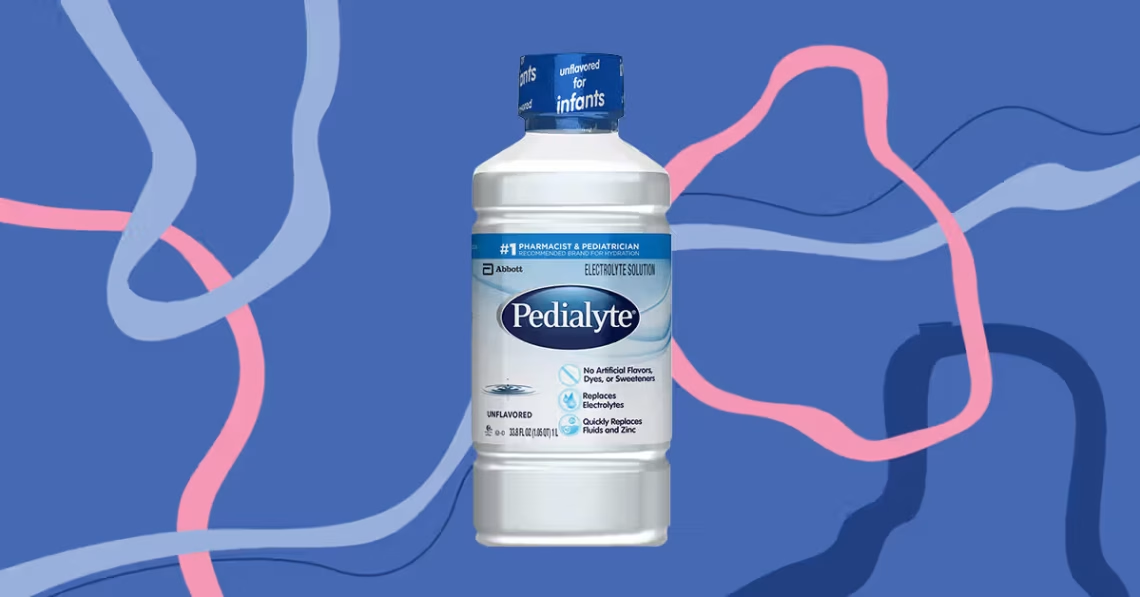
    Hydration is Key: Best Fluids and Electrolyte Solutions for Diarrhea

    Introduction Diarrhea causes the body to lose fluids and electrolytes rapidly, which can lead to dehydration, especially in children, the elderly, and those with chronic illnesses. Replacing both water and essential salts is critical for recovery. While drinking plain water helps, the best results come from fluids that also replenish electrolytes like sodium, potassium, and chloride. Why Hydration Matters in Diarrhea Best Fluids for Diarrhea 1. Oral Rehydration Solutions (ORS) 2. Clear Broths 3. Oral Electrolyte Beverages 4. Coconut Water 5. Water Fluids to Avoid During Diarrhea Additional Tips for Hydration Conclusion Hydration is the cornerstone of diarrhea management. Oral…

  • Blog - Diseases & Conditions - Health Issues - Nutrition & Diet

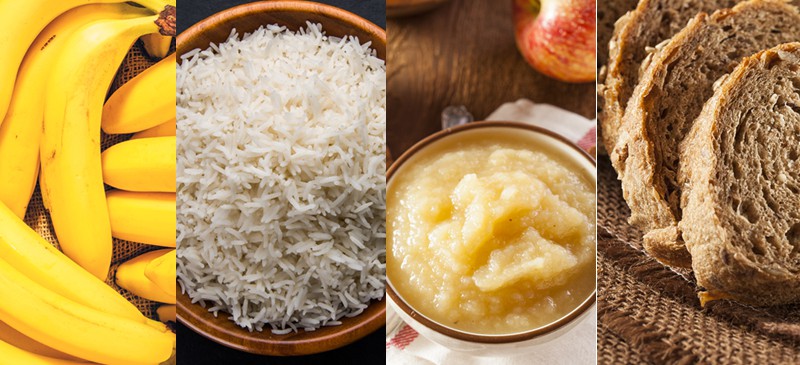
    The BRAT Diet for Diarrhea: Is It Still Recommended?

    Introduction The BRAT diet—Bananas, Rice, Applesauce, and Toast—has long been recommended for managing diarrhea. Its appeal comes from being bland, low-fiber, and easy to digest, which can help reduce irritation of the digestive tract. However, recent research and nutrition guidelines have questioned whether this restrictive diet is still the best approach, especially for children and adults needing adequate nutrition during illness. What is the BRAT Diet? Traditionally, the BRAT diet was recommended for 1–2 days after the onset of diarrhea. Why It Was Recommended Limitations of the BRAT Diet Modern Recommendations for Diet During Diarrhea Tips for Recovery Conclusion The…

  • Blog - Diseases & Conditions - Health Issues

    Acute Diarrhea: Causes (Virus, Bacteria, Food Poisoning) & Home Treatment

    Introduction Acute diarrhea is a sudden increase in the frequency and looseness of bowel movements, often lasting a few days to a week. While usually self-limiting, it can be uncomfortable, cause dehydration, and sometimes signal an infection or food-related problem. Understanding the common causes and knowing safe home treatments can help manage symptoms effectively and prevent complications. Common Causes of Acute Diarrhea 1. Viral Infections 2. Bacterial Infections 3. Food Poisoning 4. Other Causes (Less Common) Warning Signs to Watch For Seek medical care if diarrhea is accompanied by: Home Treatment for Acute Diarrhea 1. Hydration 2. Dietary Adjustments 3.…

  • Ask the Experts - Blog - Diseases & Conditions - Health Issues - Prevention & Wellness - Resources & Tools

    Safe Food Handling to Prevent Salmonellosis

    Introduction: Salmonellosis is a common foodborne illness caused by infection with Salmonella bacteria. It can cause severe gastrointestinal distress and other complications, particularly in vulnerable populations. Practicing safe food handling is essential to prevent salmonellosis and ensure the safety of your food. This detailed article explores effective prevention strategies, proper food storage and handling techniques, recognizing symptoms, common sources of contamination, the importance of cooking foods to safe temperatures, and preventive measures like thorough hand and utensil washing.   Preventing Salmonellosis Preventing salmonellosis involves a combination of good hygiene practices, proper food handling, and awareness of contamination sources. Here are…

  • Blog - Diseases & Conditions - Fitness & Exercise - Health Issues - Nutrition & Diet - Parenting & Family Health - Prevention & Wellness

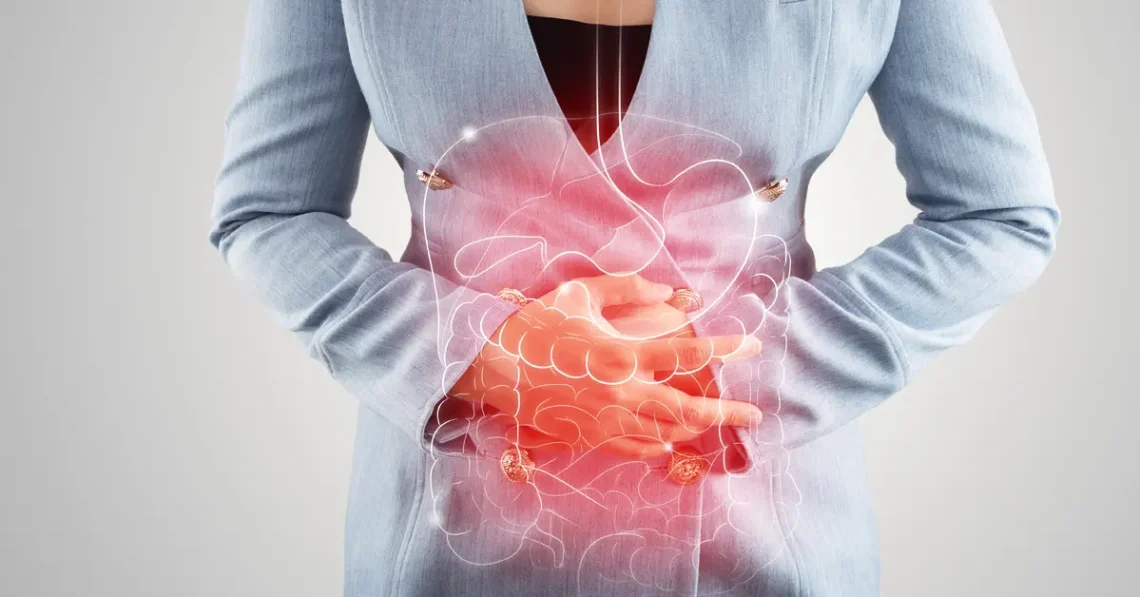
    Diarrhea

    Introduction: Diarrhea is defined as the passage of three or more loose or liquid stools per day. Diarrhea is having more than 4 stools per day that are watery. This case is due to bacteria, viruses, or parasites. This digestive disorder can also cause chronic diarrhea, which is life-threatening. Chronic diarrhea makes people dehydrated due to its high range of motion and frequency. If a person frequently passes stools but they are of normal consistency, this is not diarrhea. Similarly, breastfed babies often pass loose, sticky stools. This is normal. If a person has had loose stools for more than…