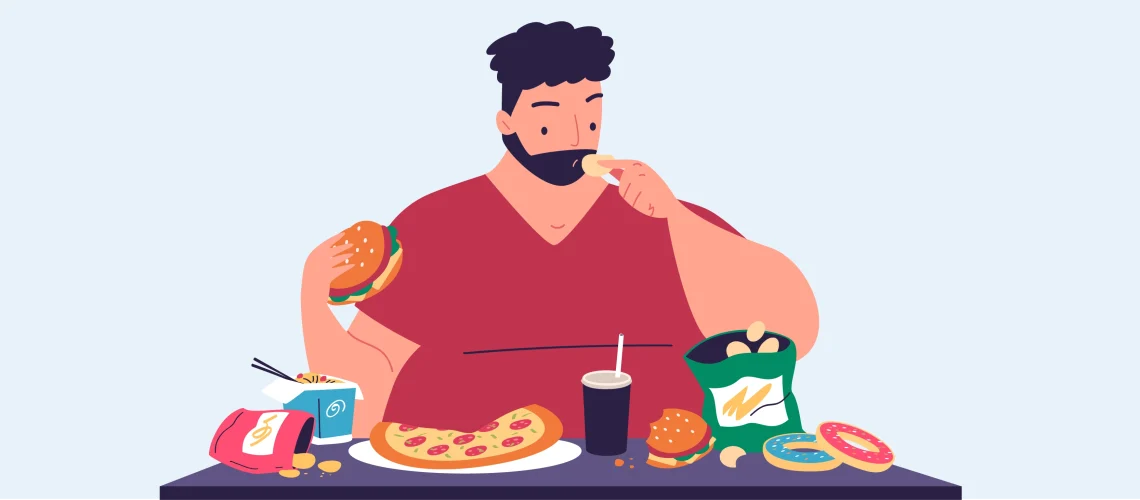
Introduction Food is not just fuel—it’s also tied to emotions, comfort, and social experiences. While enjoying food is natural, problems arise when eating becomes a coping mechanism for stress, sadness, boredom, or anxiety. This behavior, often called emotional eating, can lead to overeating and, in some cases, escalate into binge eating disorder (BED). Unlike occasional indulgence, emotional or binge eating can disrupt physical health, contribute to weight gain, and negatively affect mental well-being. The good news is that both emotional eating and binge eating can be managed with awareness, practical strategies, and professional support. Understanding Emotional Eating What Is Emotional…