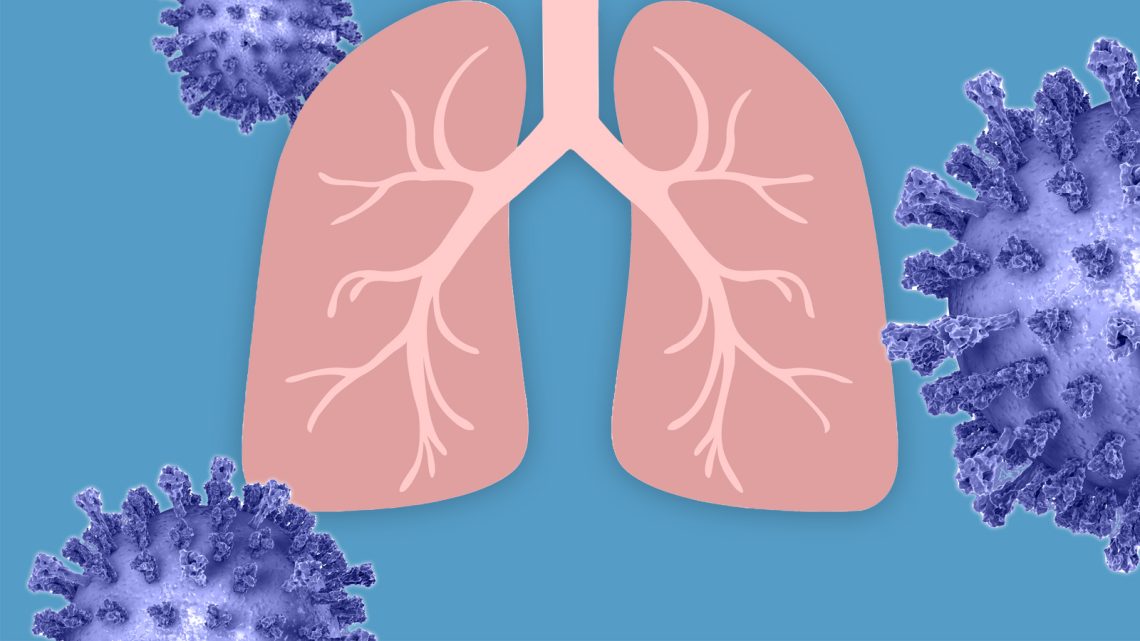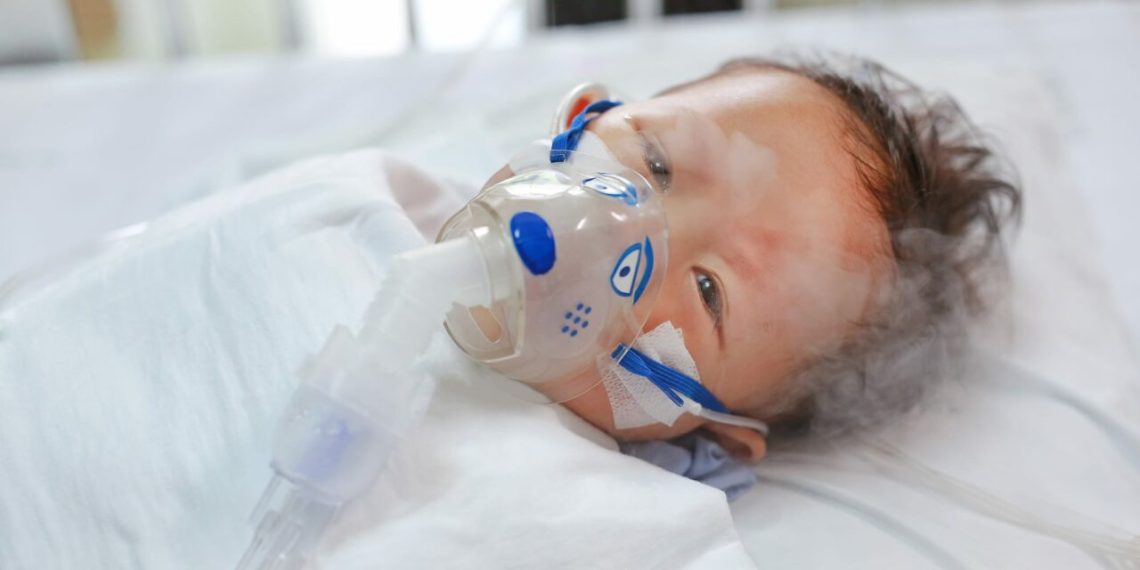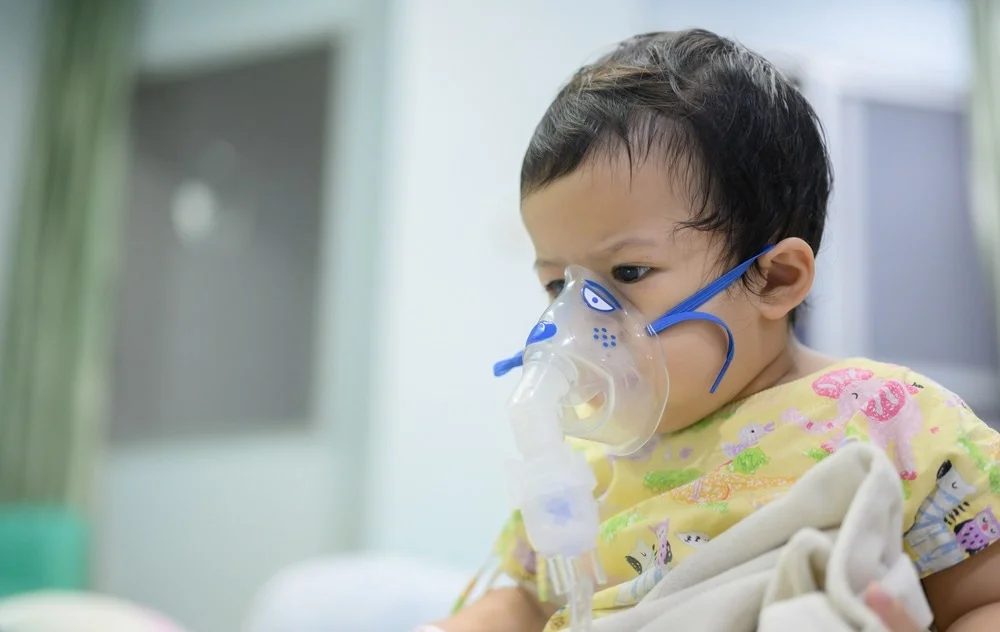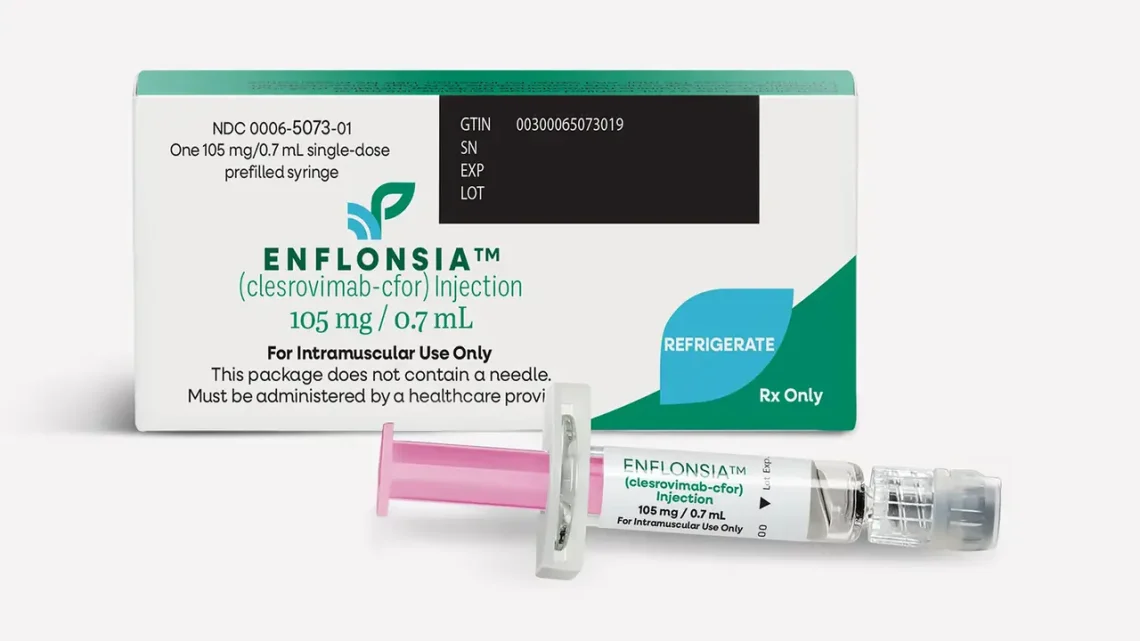
Introduction Measles is a highly contagious viral infection caused by the measles virus. While there is no specific antiviral cure, most patients recover with proper supportive care. However, measles can lead to serious complications such as pneumonia, encephalitis, and dehydration—especially in children under 5, pregnant women, and immunocompromised individuals. Effective treatment focuses on relieving symptoms, preventing complications, and supporting recovery. Supportive Care for Measles Since measles is caused by a virus, antibiotics are not used unless a bacterial complication develops. Supportive care aims to ease symptoms and help the immune system fight the infection. 1. Rest and Hydration 2. Fever…
-
-
Introduction Measles is one of the most contagious viral diseases in the world, caused by the measles virus from the Paramyxoviridae family. Despite the availability of a safe and effective vaccine, measles continues to cause outbreaks in both developing and developed countries. These outbreaks often result in severe illness, preventable deaths, and significant strain on healthcare systems. Understanding the causes of measles outbreaks and their global impact is critical to strengthening public health measures and preventing future epidemics. Causes of Measles Outbreaks 1. Declining Vaccination Coverage 2. International Travel and Importation of Cases 3. Weak Healthcare Infrastructure 4. Crowded Living…
-
Introduction Measles is not just another childhood illness—it’s one of the most contagious diseases known to humans. Its ability to spread rapidly through communities has led to explosive outbreaks in areas with low vaccination coverage. The secret to its high transmissibility lies in a concept called R₀ (basic reproduction number). Understanding R₀ helps explain why controlling measles requires extremely high levels of immunity in a population. What is R₀ (Basic Reproduction Number)? For measles, the R₀ is estimated between 12 and 18, making it one of the highest among all infectious diseases.This means that one person with measles can infect…
-
Introduction Measles is a highly contagious viral infection caused by the measles virus (a member of the Paramyxoviridae family). While most cases resolve within a couple of weeks, measles is far from harmless. The virus can weaken the immune system for several weeks or even months, leaving the body vulnerable to other infections. In some cases, measles leads to serious and potentially fatal complications. Three of the most severe are pneumonia, encephalitis, and subacute sclerosing panencephalitis (SSPE).Understanding these complications is crucial for recognizing the importance of vaccination and early medical care. Pneumonia: The Leading Cause of Measles-Related Deaths Pneumonia is…
-
Introduction Vaccines have revolutionized public health by drastically reducing the spread of once-deadly diseases. Among the most important is the MMR vaccine, which protects against measles, mumps, and rubella—three highly contagious viral infections. With recent outbreaks of measles in parts of the world, there has been renewed attention on the MMR vaccine. This article explores how the MMR vaccine works, its safety and effectiveness, and why widespread immunization is critical for herd immunity. What Is the MMR Vaccine? The MMR vaccine is a combination vaccine that protects against: The vaccine contains live, weakened forms of the viruses that trigger the…
-
Introduction Measles is a highly contagious viral illness that spreads through respiratory droplets and can lead to serious complications—especially in unvaccinated children and adults. While vaccines have dramatically reduced its global burden, measles outbreaks still occur, often due to low vaccination coverage. Recognizing the early and classic symptoms of measles—including the hallmark rash, fever, cough, and Koplik’s spots—can help with early diagnosis and prevent further spread. What Causes Measles? Measles is caused by the measles virus, a member of the paramyxovirus family. It spreads through: Measles is extremely contagious—up to 90% of unvaccinated people in close contact with an infected…
-
Introduction The COVID-19 pandemic has been more than a global health crisis—it has been a mental health crisis. From isolation and uncertainty to grief, financial strain, and burnout, people worldwide have experienced significant psychological challenges. The impacts have been particularly intense for frontline workers, caregivers, students, and individuals with pre-existing mental health conditions. This article explores the mental health consequences of the pandemic and offers evidence-based coping strategies for managing stress, anxiety, depression, and emotional fatigue. How the Pandemic Affected Mental Health 1. Increased Anxiety and Stress 2. Loneliness and Isolation 3. Grief and Loss 4. Depression and Hopelessness 5.…
-
Introduction The COVID-19 pandemic has reshaped how we travel—introducing new safety measures, health requirements, and uncertainties. Whether you’re traveling domestically or internationally, being informed and prepared is crucial to keeping yourself and others safe. This article provides up-to-date travel guidelines, including what to know before, during, and after your trip, as well as tips for minimizing COVID-19 risk while navigating the evolving landscape of global and local regulations. Why COVID-19 Travel Guidelines Still Matter While global vaccination efforts and treatments have improved outcomes, COVID-19 continues to circulate with new variants emerging. Travel increases your chance of exposure—especially in crowded airports,…
-
Introduction While COVID-19 has impacted nearly every community across the globe, it has not affected everyone equally. Certain groups—often referred to as vulnerable or high-risk populations—face a significantly greater risk of severe illness, hospitalization, or death. Protecting these individuals is not just a personal or family responsibility—it’s a public health priority. This article outlines who is considered vulnerable, why they’re at higher risk, and the most effective strategies for safeguarding their health during the ongoing COVID-19 pandemic. Who Are Considered Vulnerable Populations? Vulnerable populations include people who, due to age, underlying medical conditions, immune status, or social circumstances, are at…
-
Introduction Accurate and timely COVID-19 testing has been one of the most important tools in managing the pandemic. Whether you’re feeling sick, preparing for travel, or checking after exposure, knowing the right type of test, when to take it, and how to interpret the results is key. This guide breaks down the main testing options—PCR and rapid antigen tests—explaining how they work, how accurate they are, and when each is most useful. Why Testing Still Matters Even as vaccines, treatments, and public immunity evolve, testing remains essential for: Types of COVID-19 Tests COVID-19 tests fall into two main categories: 1.…