• Blog - Diseases & Conditions - Health Issues

    Diagnosing Abdominal Pain: Tests Your Doctor Might Order (Scopes, Scans)

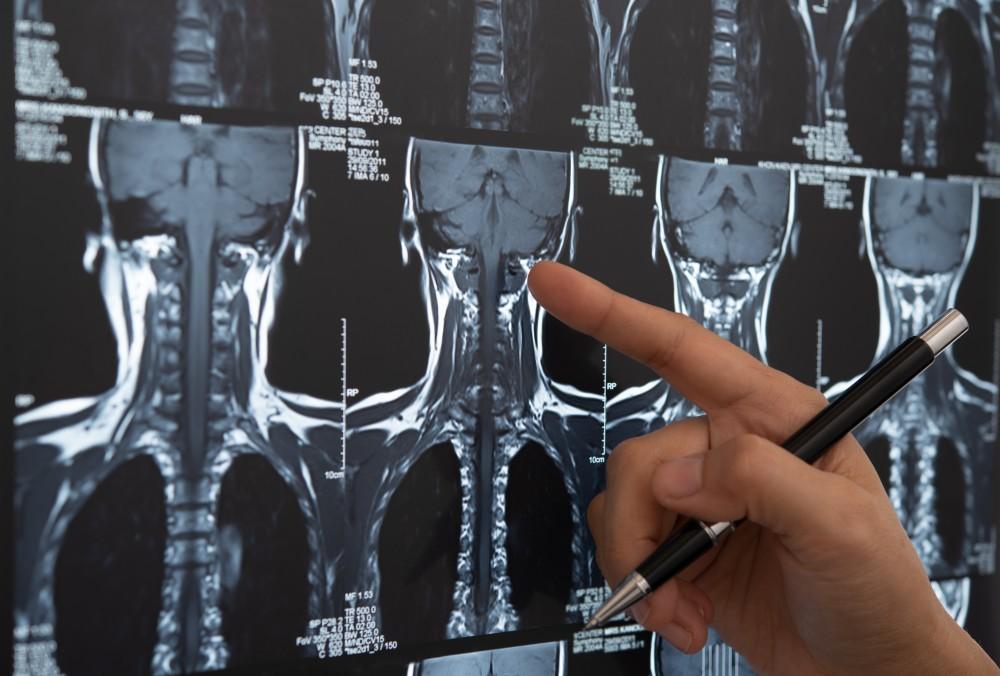
    Introduction Abdominal pain is one of the most common complaints in healthcare, ranging from mild discomfort to severe, urgent conditions. Because the abdomen contains many vital organs—the stomach, intestines, liver, gallbladder, pancreas, kidneys, and reproductive organs—pinpointing the exact cause is not always simple. When the cause of pain isn’t obvious through history and physical examination alone, doctors may order diagnostic tests. These include laboratory studies, imaging scans, and endoscopic procedures (scopes). This article explains the common tests used to diagnose abdominal pain and what to expect from them. Initial Evaluation: History and Physical Exam Before ordering tests, your doctor will…

  • Blog - Health Issues

    The Link Between Stress and Abdominal Pain (Gut-Brain Axis)

    Introduction Many people notice that abdominal pain and digestive discomfort often worsen during stressful times. This is not just a coincidence—the gut and the brain are deeply interconnected through what scientists call the gut-brain axis. Stress can directly influence how the digestive system functions, while gut issues can also affect mood and mental health. Understanding this two-way relationship helps explain why conditions like irritable bowel syndrome (IBS) are often linked with stress and anxiety, and why managing emotional health can play a vital role in reducing abdominal pain. What Is the Gut-Brain Axis? The gut-brain axis is the communication network…

  • Blog - Diseases & Conditions - Health Issues - Lifestyle & Wellness

    Gas and Bloating Pain Relief: Dietary and Lifestyle Tips

    Introduction Gas and bloating are common digestive complaints that can cause discomfort, embarrassment, and even pain. While occasional gas is normal, excessive bloating or persistent discomfort often relates to diet, lifestyle habits, or underlying digestive sensitivities. Fortunately, simple adjustments in eating patterns and daily routines can bring significant relief. This article explores effective dietary and lifestyle tips to help manage gas and bloating naturally. Understanding Gas and Bloating Dietary Tips for Gas and Bloating Relief 1. Eat Smaller, More Frequent Meals 2. Limit Gas-Producing Foods 3. Try a Low-FODMAP Diet 4. Reduce Carbonated Drinks 5. Eat Slowly and Chew Thoroughly…

  • Blog - Diseases & Conditions - Health Issues

    Abdominal Pain in Children: Common Causes and When to Worry

    Introduction Abdominal pain is one of the most frequent complaints in children and a leading reason for pediatric doctor visits. While it is often caused by minor and temporary issues like indigestion or constipation, sometimes abdominal pain can signal something more serious that requires urgent medical care. Parents and caregivers often struggle to determine when to wait, when to treat symptoms at home, and when to seek professional help. Understanding the common causes of abdominal pain in children, as well as the warning signs of serious illness, can help ensure timely and appropriate care. Common Causes of Abdominal Pain in…

  • Blog - Diseases & Conditions - Health Issues

    When Abdominal Pain is an Emergency: Red Flag Symptoms

    Introduction Abdominal pain is one of the most common reasons people seek medical care. In most cases, it is caused by minor issues such as indigestion, gas, or mild infections. However, sometimes abdominal pain signals a serious underlying condition that requires immediate medical attention. Recognizing red flag symptoms can be lifesaving, as they often point to urgent problems like appendicitis, bowel obstruction, perforated ulcers, internal bleeding, or even cancer. This article will help you understand when abdominal pain is an emergency, what warning signs to watch for, and when to seek medical help without delay. Why Abdominal Pain Can Be…

  • Blog - Diseases & Conditions - Health Issues

    Chronic Abdominal Pain: IBS, IBD, GERD, and Functional Disorders

    Introduction Chronic abdominal pain is a persistent and often distressing symptom that affects millions of people worldwide. Unlike acute abdominal pain, which typically comes on suddenly and resolves with treatment, chronic abdominal pain lasts for weeks, months, or even years. It can interfere with daily activities, negatively impacting one’s quality of life. Chronic abdominal pain can be caused by a range of gastrointestinal conditions, including Irritable Bowel Syndrome (IBS), Inflammatory Bowel Disease (IBD), Gastroesophageal Reflux Disease (GERD), and functional disorders. These conditions often present with overlapping symptoms, making accurate diagnosis and treatment essential for effective management. In this article, we…

  • Blog - Diseases & Conditions

    Common Causes of Sudden (Acute) Abdominal Pain (Appendicitis, Gallstones)

    Introduction Sudden abdominal pain is a common yet concerning symptom that often signals an underlying health issue. The abdomen houses many critical organs such as the stomach, liver, intestines, gallbladder, pancreas, and spleen, so pain in this area can stem from a wide variety of conditions. While some causes of abdominal pain are benign and temporary, others require urgent medical attention. Among the most well-known causes of sudden abdominal pain are appendicitis and gallstones, but many other conditions can contribute to such discomfort. In this article, we will explore the common causes of acute abdominal pain, focusing on appendicitis and…

  • Blog - Diseases & Conditions

    Abdominal Pain Location Guide: What Pain in Different Quadrants Might Mean

    Introduction The abdominal area is a complex region that houses several vital organs, including the stomach, intestines, liver, pancreas, kidneys, spleen, and reproductive organs. The pain experienced in the abdomen can result from a wide variety of conditions, ranging from simple indigestion to life-threatening conditions like appendicitis or ectopic pregnancy. For physicians and healthcare providers, understanding where exactly the pain occurs helps in diagnosing the root cause. Similarly, patients who experience abdominal pain can benefit from knowing how the pain’s location might point to different types of conditions, allowing them to communicate more effectively with healthcare professionals. The abdomen is…

  • Blog - Diseases & Conditions - Health Issues

    Medical Interventions for Persistent Hiccups

    Introduction Hiccups are usually short-lived and harmless, resolving without any treatment. However, when hiccups persist for more than 48 hours (persistent hiccups) or even longer than 2 months (intractable hiccups), they can significantly disrupt eating, sleeping, and overall well-being. Persistent hiccups often indicate an underlying medical condition and may require professional medical interventions. This article explores the medical approaches used to evaluate and manage persistent hiccups, including diagnostic steps, medications, and more advanced treatments. Step 1: Medical Evaluation Before treating hiccups, doctors aim to identify the underlying cause. A thorough evaluation may include: Once the cause is determined, treatment focuses…

  • Blog - Diseases & Conditions

    Why Do We Get Hiccups? The Physiology Explained

    Introduction Everyone has experienced hiccups—those sudden, involuntary “hic” sounds that can strike without warning. While usually harmless, hiccups are often puzzling and sometimes embarrassing. But what exactly causes them? To understand hiccups, we need to look closely at how the diaphragm, nervous system, and reflex pathways work together. The Role of the Diaphragm The diaphragm is a dome-shaped muscle located just below the lungs. It plays a vital role in breathing: A hiccup occurs when the diaphragm suddenly and involuntarily spasms, causing a quick intake of air. Almost immediately, the vocal cords close, producing the distinctive “hic” sound. The Hiccup…