• Blog - Nutrition & Diet

    The Role of Fiber (Soluble & Insoluble) in Cholesterol Management

    Introduction When it comes to managing cholesterol and supporting heart health, most people think about cutting fat or taking medications. But dietary fiber—specifically soluble and insoluble fiber—is one of the most powerful and natural ways to lower cholesterol and reduce the risk of heart disease. Fiber doesn’t just help digestion and regularity—it plays a critical role in reducing LDL (“bad”) cholesterol, improving overall lipid profiles, and supporting long-term cardiovascular wellness. This article explores the science behind soluble and insoluble fiber, how each type supports cholesterol management, and practical ways to include more fiber in your daily meals. What Is Dietary…

  • Blog - Nutrition & Diet

    Top 10 Foods to Actively Lower Bad (LDL) Cholesterol

    Introduction High levels of LDL (low-density lipoprotein) cholesterol, often called “bad” cholesterol, are a major risk factor for heart disease and stroke. While genetics and other medical conditions play a role, diet is one of the most powerful tools for lowering LDL cholesterol naturally. Making smart food choices can reduce the need for medication or enhance the effectiveness of existing treatments. This article explores the top 10 scientifically backed foods that help lower LDL cholesterol and improve your overall heart health, along with how to add them to your diet. 1. Oats and Barley Why They Work: Oats and barley…

  • Blog - Diseases & Conditions - Health Issues

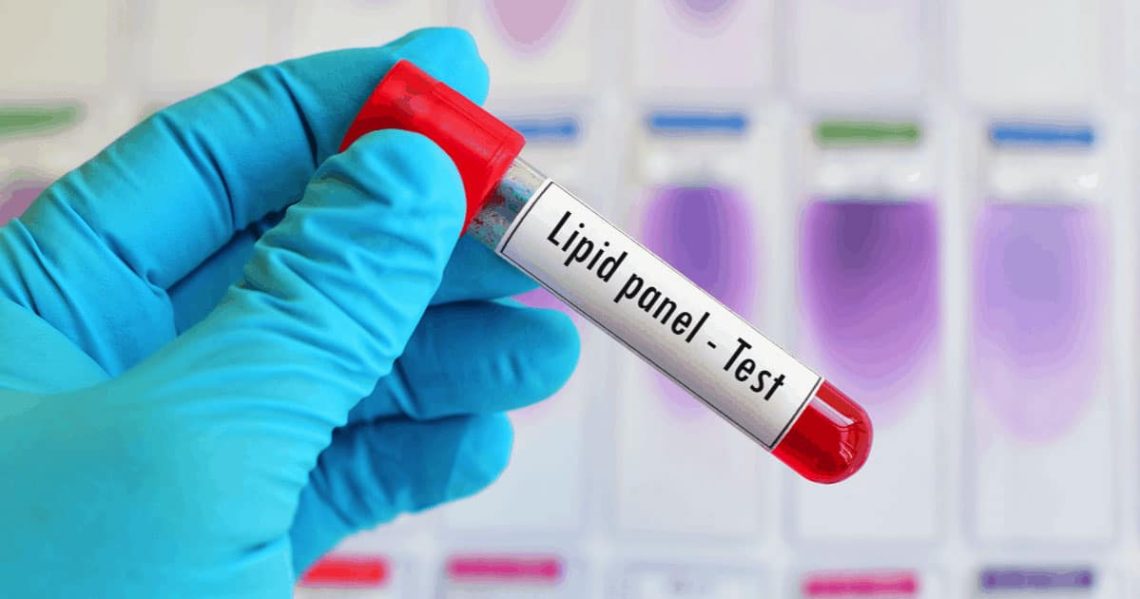
    HDL vs. LDL vs. Triglycerides: Breaking Down Your Lipid Panel

    Introduction Your doctor may ask for a lipid panel during a routine health checkup, especially to assess your heart health. But what do all those numbers and terms—HDL, LDL, triglycerides mean? Understanding your lipid panel is essential for taking control of your cardiovascular risk and making informed decisions about your lifestyle and medical care. This article will help you decode the components of a lipid panel, focusing on HDL (good cholesterol), LDL (bad cholesterol), and triglycerides, what their levels mean, why they matter, and how you can manage them for better health. What Is a Lipid Panel? A lipid panel…

  • Blog - Health Issues

    Talking to Your Partner About HPV: A Guide to Open Communication

    Introduction Receiving an HPV diagnosis can be emotionally challenging, especially when it comes to discussing it with your partner. Because Human Papillomavirus (HPV) is a highly common sexually transmitted infection, understanding how to communicate openly and honestly is key to maintaining trust and intimacy in relationships. Open dialogue about HPV can reduce stigma, promote mutual support, and empower both partners to make informed decisions about health and prevention. This article offers a detailed guide on how to approach the conversation about HPV with your partner, covering when and how to talk, what to say, common concerns, and ways to foster…

  • Blog - Diseases & Conditions - Prevention & Wellness - Women's Health

    HPV and Pregnancy: Risks, Transmission, and Management

    Introduction Human Papillomavirus (HPV) is the most common sexually transmitted infection worldwide. Many women of reproductive age may have HPV during pregnancy or become infected while pregnant. While HPV is often harmless and clears on its own, its presence during pregnancy raises questions and concerns about risks to the mother, the baby, and the pregnancy itself. This article explores the relationship between HPV and pregnancy, including potential risks, transmission possibilities, and best practices for management to ensure maternal and fetal health. Understanding HPV in Pregnancy HPV infection is common among women of childbearing age. Many pregnant women with HPV have…

  • Blog - Diseases & Conditions

    Genital Warts: Treatment Options and What to Expect

    Introduction Genital warts are one of the most common sexually transmitted infections caused by certain types of the Human Papillomavirus (HPV). While they are generally benign and do not lead to cancer, genital warts can cause physical discomfort and emotional distress. Fortunately, several effective treatment options exist, and understanding what to expect during treatment can help individuals manage the condition with confidence and reduce transmission risks. This article provides a comprehensive overview of genital warts—what causes them, treatment methods, and how to manage the condition safely. What Are Genital Warts? Genital warts are small, flesh-colored or gray growths that appear…

  • Blog - Diseases & Conditions - Health Issues

    HPV in Men: Risks, Symptoms, and Screening Considerations

    Introduction Human Papillomavirus (HPV) is the most common sexually transmitted infection (STI) worldwide, affecting both men and women. While HPV is often discussed in the context of cervical cancer in women, it’s important to recognize that men are also at risk for serious HPV-related health problems. HPV in men can lead to genital warts and several types of cancer, including anal, penile, and oropharyngeal (throat) cancers. Despite these risks, awareness, vaccination, and screening efforts for men remain limited compared to women. This article provides a comprehensive overview of HPV in men, covering risks, symptoms, and screening considerations to help men…

  • Blog - Prevention & Wellness

    Understanding Your HPV Test Results: What Positive/Negative Means

    Introduction Human Papillomavirus (HPV) is one of the most common sexually transmitted infections globally, and testing for it has become an essential part of cervical cancer screening for women. While receiving your HPV test results can feel confusing—or even alarming, especially if the result is positive- it’s important to understand what your test means. Whether your result is positive or negative, it doesn’t tell the full story about your health or cancer risk on its own. This article will break down what your HPV test results mean, what steps you might need to take next, and how to manage your…

  • Blog - Prevention & Wellness

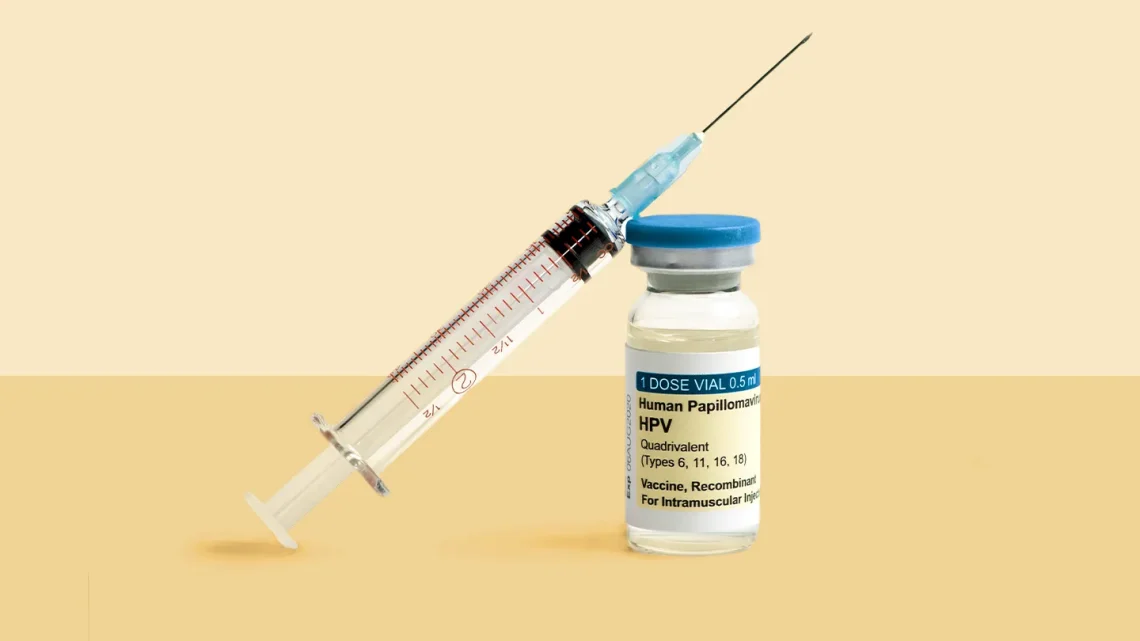
    HPV Vaccination: Age Guidelines, Effectiveness, and Safety

    Introduction Human Papillomavirus (HPV) is one of the most common sexually transmitted infections worldwide. While many HPV infections resolve on their own, some types can lead to serious health problems, including cervical cancer, other genital cancers, and oropharyngeal cancers. The HPV vaccine offers powerful protection against the most harmful strains of the virus and has become a key component of cancer prevention strategies globally. Understanding who should get the vaccine, how effective it is, and its safety profile is crucial for informed decision-making by individuals, parents, and healthcare providers. What Is HPV and Why Is Vaccination Important? HPV is a…

  • Blog - Prevention & Wellness

    Preventing Recurrence: Long-Term Strategies After Your First Stone

    Introduction Passing a kidney stone can be an intense and painful ordeal. While many people believe the problem ends once the stone has passed, the reality is that kidney stones often recur. In fact, studies show that nearly 50% of people who have had one kidney stone will experience another within 5-10 years if no preventive measures are taken. The good news is that there are effective long-term strategies you can adopt after your first stone to reduce the risk of recurrence. This article explores these strategies, covering lifestyle changes, dietary recommendations, medical treatments, and monitoring to help you maintain…