• Blog - Diseases & Conditions - Health Issues

    Sweet Dreams or Sweet Danger? The Truth About Melatonin Gummies and Children’s Sleep

    Introduction With bedtime battles becoming a nightly routine for many families, melatonin gummies have emerged as a go-to solution for helping children fall asleep faster. Marketed as a “natural” and kid-friendly supplement, these colorful and candy-like sleep aids are increasingly lining store shelves and medicine cabinets. But are they as safe and effective as they seem? Behind the appealing packaging and promises of peaceful nights lies a growing concern among pediatricians, toxicologists, and sleep researchers. Questions surrounding dosage inconsistencies, long-term hormonal effects, and the increasing number of melatonin-related emergency calls highlight that this sweet solution may come with hidden risks.…


  • Blog - Diseases & Conditions - Health Issues

    The Probiotic Boom: OTC Gut Health Solutions and Antibiotic Recovery Support

    Introduction Probiotics have exploded in popularity over the last decade, marketed as over-the-counter (OTC) solutions for everything from bloating and diarrhea to immunity and mental clarity. These “good bacteria” promise to restore balance to the gut microbiome, particularly after disruptions caused by antibiotics. With increasing consumer awareness about gut health’s connection to overall wellness, the market is now flooded with probiotic supplements in pills, powders, gummies, and fermented foods. However, despite their growing presence on pharmacy shelves, not all probiotics are created equal—and their benefits are highly strain-specific, dosage-dependent, and subject to numerous regulatory and scientific challenges. Understanding Probiotic Strains…

  • Blog - Diseases & Conditions - Health Issues

    The Hidden Organ Damage: Liver and Kidney Risks from High-Dose OTC NSAIDs

    Introduction Nonsteroidal anti-inflammatory drugs (NSAIDs) such as ibuprofen, naproxen, and aspirin are among the most commonly used over-the-counter (OTC) pain relievers worldwide. Their ability to reduce pain, inflammation, and fever makes them a go-to option for millions dealing with headaches, muscle aches, arthritis, and other ailments. However, while generally safe when taken as directed, high doses or prolonged use of NSAIDs can silently damage vital organs—especially the liver and kidneys. This article sheds light on the mechanisms behind NSAID-induced organ damage, explores cumulative dose thresholds and risk factors, identifies early warning signs of liver and kidney dysfunction, highlights populations at…

  • Blog - Diseases & Conditions - Health Issues

    Pregnancy-Safe OTC Medications: Decoding Confusing Labels and Conflicting Information

    Introduction Pregnancy is a time of excitement and anticipation, but it also brings a heightened awareness of health and safety concerns—especially regarding medication use. Over-the-counter (OTC) medications are widely used to manage common discomforts such as headaches, colds, allergies, and heartburn during pregnancy. However, the question “Is this medication safe for my baby?” often arises, complicated by confusing labels, outdated categorizations, and sometimes conflicting advice from various sources. Pregnant individuals face a unique challenge: how to safely relieve symptoms without harming the developing fetus. This article explores the evolution of FDA pregnancy labeling, clarifies commonly misunderstood OTC drugs, discusses trimester-specific…

  • Blog - Diseases & Conditions - Health Issues

    Protecting Youth: Age Restrictions and DXM Abuse Prevention in OTC Cough Medications

    Introduction Over-the-counter (OTC) cough medications are commonly found in medicine cabinets across America. While they offer relief for cold and flu symptoms, some contain dextromethorphan (DXM)—a cough suppressant that, in large doses, can produce psychoactive effects. This misuse, often referred to as “robotripping” or “skittling,” has emerged as a serious public health concern, particularly among teenagers seeking a cheap, accessible high. To address this issue, public health officials, educators, and lawmakers have increasingly turned to age restrictions and community education as preventive tools. But despite growing awareness, many parents and retailers remain unaware of the dangers DXM poses when abused,…

  • Blog - Diseases & Conditions - Health Issues

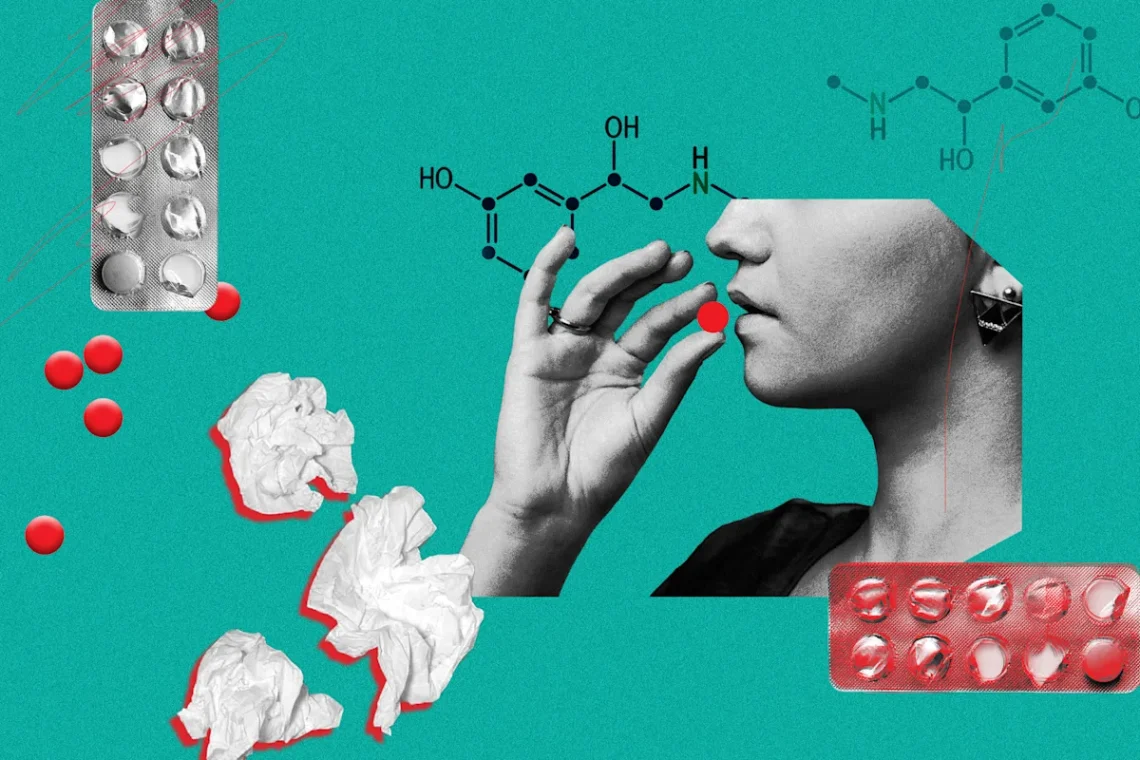
    The Great Decongestant Debate: Why FDA Experts Say Oral Phenylephrine Doesn’t Work

    Introduction For decades, phenylephrine has been a common ingredient in over-the-counter (OTC) cold and allergy medications marketed as effective nasal decongestants. Found in popular brands like Sudafed PE, DayQuil, and Tylenol Sinus, oral phenylephrine was widely assumed to relieve nasal congestion by shrinking blood vessels in the nasal passages. However, in a dramatic turn of events, experts from the U.S. Food and Drug Administration (FDA) have declared that oral phenylephrine is ineffective when taken at the recommended dose. This revelation has sparked national attention, consumer confusion, and calls for reform in how cold medications are regulated. The FDA’s Nonprescription Drugs…

  • Blog - Diseases & Conditions - Health Issues

    The Dark Side of Benadryl: Long-Term Diphenhydramine Use and Cognitive Health Risks

    Introduction Diphenhydramine, widely known by its brand name Benadryl, is a first-generation antihistamine commonly used to treat allergies, hay fever, colds, and insomnia. Over the years, it has earned a reputation as a go-to medication for its sedative properties and easy over-the-counter access. However, recent studies and medical warnings have brought to light the dark side of long-term diphenhydramine use, especially its impact on cognitive health and brain function. While effective for short-term relief, regular or long-term use—particularly for sleep—can pose significant neurological and psychological risks, including memory loss, confusion, and increased risk of dementia. The concern stems from diphenhydramine’s…

  • Blog - Diseases & Conditions - Health Issues

    The Hidden Caffeine Overload: Dangerous Interactions Between OTC Pain Relievers and Energy Products

    Introduction Caffeine is one of the most widely consumed stimulants in the world. Found naturally in coffee, tea, and chocolate—and added to sodas, energy drinks, and dietary supplements—it helps people stay alert, boost performance, and fight fatigue. However, caffeine is also a common ingredient in many over-the-counter (OTC) pain relievers, particularly those aimed at treating headaches, migraines, and menstrual cramps. While caffeine in moderation is generally safe, unintentional overconsumption can lead to serious health risks, especially when multiple sources are combined. A person who takes an OTC pain medication for a headache and later drinks an energy beverage or uses…

  • Blog - Diseases & Conditions - Health Issues

    Hidden Dangers: Acetaminophen Overdose Risks in Multi-Symptom Cold Medications

    Introduction Acetaminophen, also known as paracetamol in many countries, is one of the most widely used over-the-counter (OTC) medications for pain relief and fever reduction. Found in countless household medicine cabinets, its widespread availability and perceived safety often overshadow the potential dangers it can pose—particularly when taken in excess. One of the most insidious ways an acetaminophen overdose can occur is through the use of multi-symptom cold and flu medications, which frequently contain acetaminophen alongside other ingredients such as decongestants, cough suppressants, and antihistamines. Consumers, often unaware that they are ingesting the same active ingredient from multiple sources, can inadvertently…

  • Blog - Women's Health

    What’s the Real Cost of Pregnancy and Childbirth? (Pakistan Edition)

    Introduction Pregnancy and childbirth are profound experiences filled with joy, hope, and sometimes financial stress. In Pakistan, where healthcare infrastructure and costs vary widely between urban and rural areas, understanding the full financial implications of pregnancy and delivery is crucial for expectant families. While some expenses, like hospital fees, are expected, many hidden costs can add up, creating challenges for families preparing for a new arrival. This article breaks down the real costs involved in pregnancy and childbirth in Pakistan, including hospital charges, necessary tests, delivery options, and often overlooked expenses, to provide a clearer picture for prospective parents. Hospital…