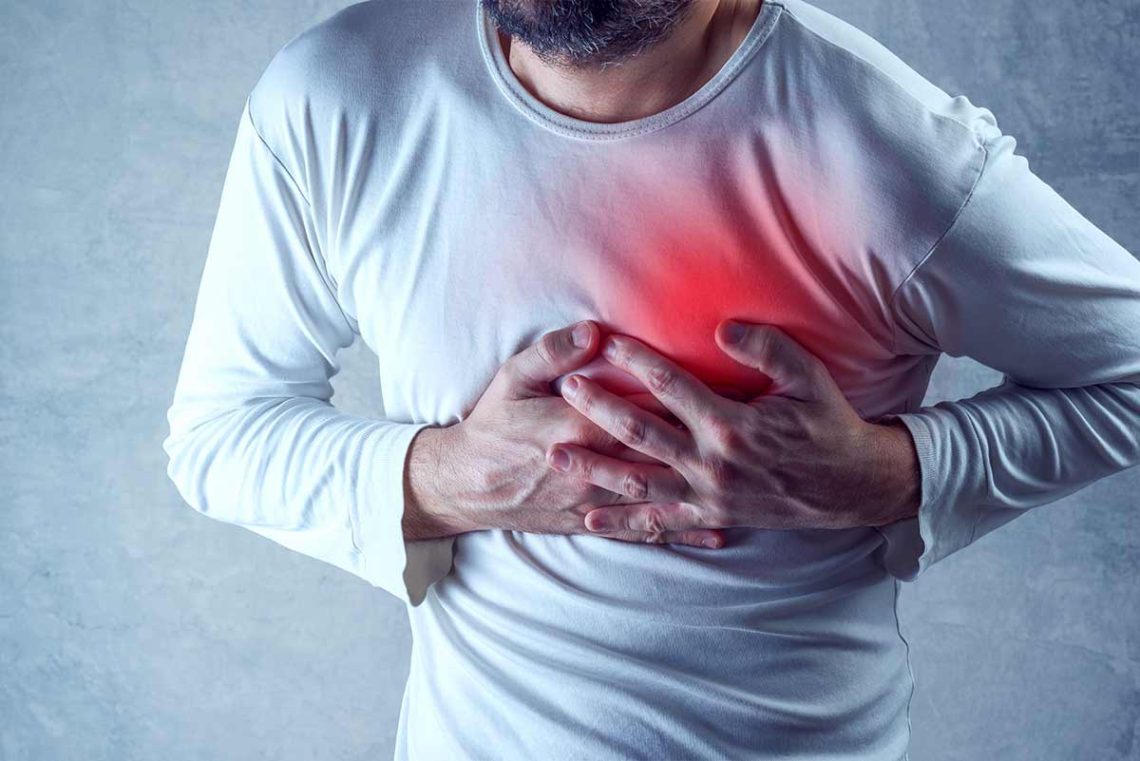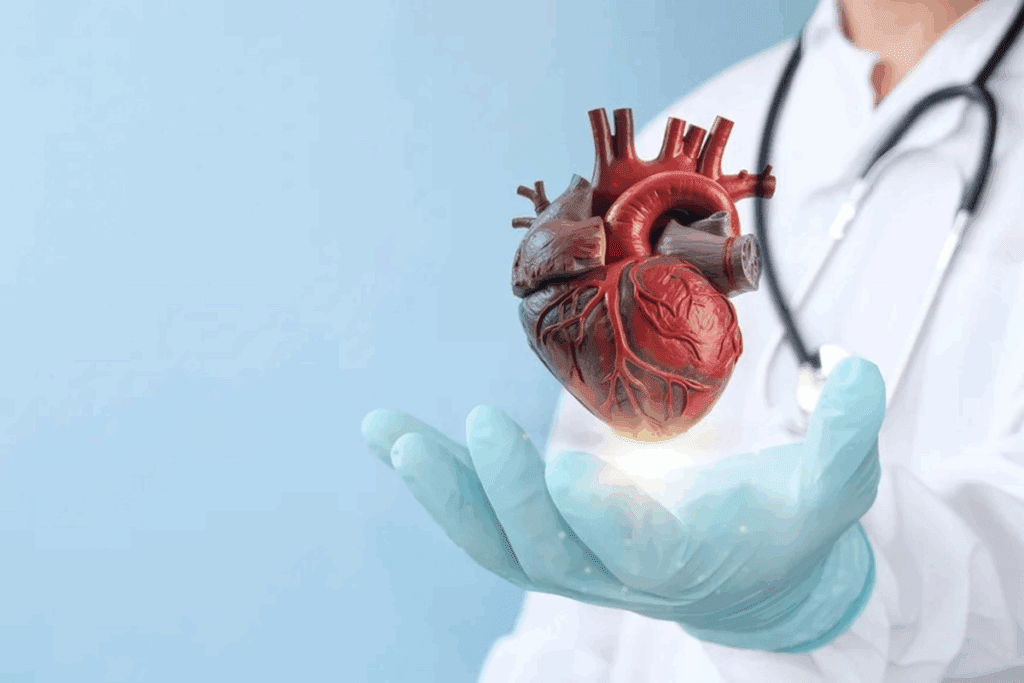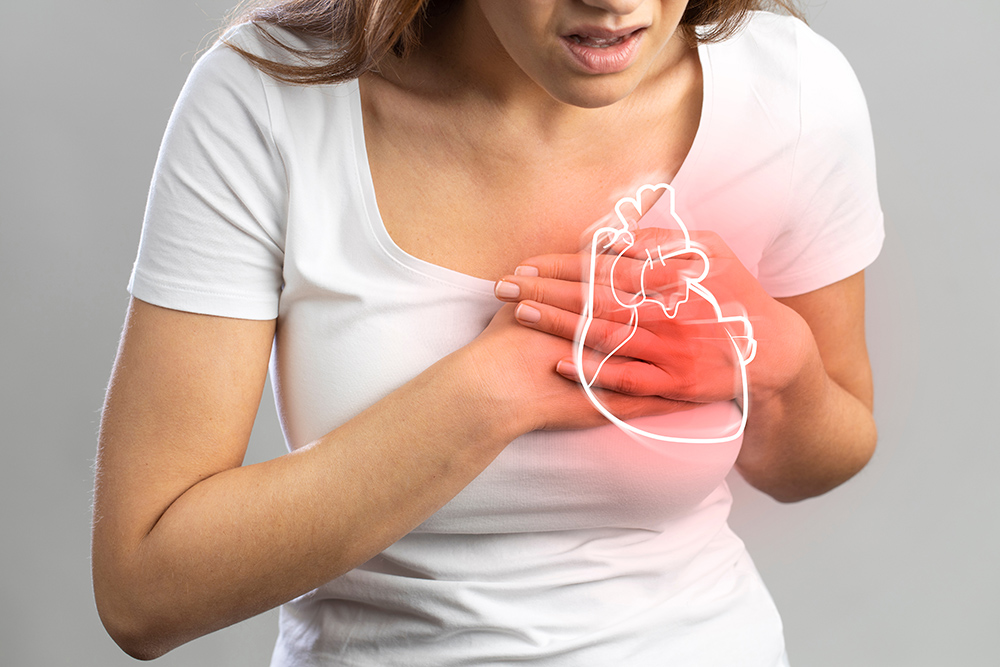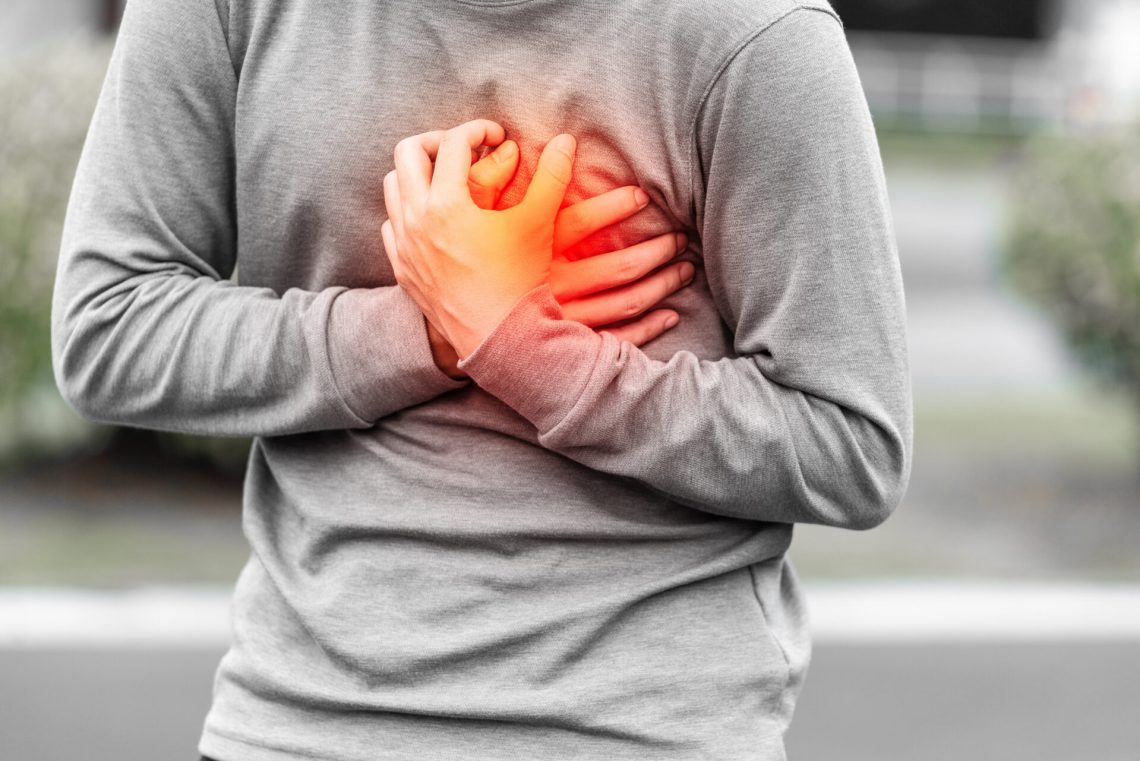
Introduction Visiting a doctor can sometimes feel like entering a mystery: “What’s causing my symptoms?” Doctors use a structured diagnostic process to answer this question, combining medical knowledge, clinical reasoning, tests, and patient input. Understanding this process helps patients actively participate in their care, communicate effectively, and reduce anxiety about medical evaluations. This article explores the steps doctors take to diagnose illnesses, the reasoning behind each step, and how patients can support the process. Step 1: Taking a Detailed Medical History Tip for patients: Be honest and thorough—every detail can help doctors pinpoint the cause. Step 2: Conducting a Physical…

-
-
Introduction Receiving a medical diagnosis can be overwhelming, confusing, or even frightening. Whether it’s a chronic condition, acute illness, or a serious disease, understanding your diagnosis is essential for effective treatment and informed decision-making. Asking the right questions empowers you to actively participate in your healthcare, clarify uncertainties, and manage your condition better. This article explores key questions to ask your doctor, why they matter, and tips for getting the most out of your appointments. 1. Clarify the Diagnosis Why it matters: Understanding the specifics helps you know what you’re dealing with and reduces anxiety caused by uncertainty. 2. Understand…
-
Introduction Heart attacks, or myocardial infarctions, occur when blood flow to the heart muscle is blocked, leading to tissue damage. While anyone can experience a heart attack, certain risk factors significantly increase the likelihood of developing one. Understanding these factors is essential for prevention, early intervention, and improved outcomes. This article explores the major risk factors for heart attacks, why they matter, and strategies to mitigate them. 1. High Blood Pressure (Hypertension) Management Tips: Regular blood pressure checks, low-sodium diet, stress management, and prescribed medications. 2. High Cholesterol Management Tips: Eat heart-healthy foods, exercise regularly, and take prescribed statins if…
-
Introduction During a heart attack or suspected stroke, every minute counts. While waiting for emergency medical services (EMS), taking the right steps can save lives, reduce heart or brain damage, and improve recovery. Many people wonder about chewing aspirin, staying calm, or positioning themselves safely. Understanding what to do in these critical moments is essential. Call Emergency Services Immediately Chewing Aspirin: When and Why Important: Only take aspirin if recommended by a healthcare professional or emergency dispatcher. Other Steps While Waiting 1. Stay Calm 2. Sit or Lie Down 3. Loosen Tight Clothing 4. Monitor Symptoms 5. Prepare for EMS…
-
Introduction Most people associate heart attacks with chest pain, but heart attacks can present in less obvious ways. Symptoms such as jaw pain, back pain, or stomach discomfort are sometimes the only warning signs, particularly in women, older adults, and diabetics. Recognizing these atypical presentations is critical, as delayed treatment increases the risk of heart muscle damage, complications, or death. This article explores unusual heart attack symptoms, why they occur, and what actions to take immediately. Jaw Pain as a Heart Attack Symptom Back Pain as a Heart Attack Symptom Stomach Pain or Abdominal Discomfort Why Heart Attacks Present Atypically…
-
Introduction Sudden chest pain, shortness of breath, and palpitations can be alarming. These symptoms may indicate a heart attack, but they can also occur during a panic attack. Distinguishing between the two is crucial, as a heart attack is life-threatening and requires immediate medical attention, whereas a panic attack, though frightening, is not immediately life-threatening. Misinterpreting the signs can delay critical care or cause unnecessary panic. This article explains key differences, warning signs, risk factors, and when to seek help. Heart Attack Symptoms Heart attacks occur when blood flow to the heart is blocked, usually due to a clot in…
-
Introduction People with diabetes are at higher risk of heart disease and heart attacks compared to the general population. One of the challenges is that heart attack symptoms in diabetics can be atypical or subtle, often leading to delayed diagnosis and treatment. Understanding how diabetes affects symptom presentation is crucial for early recognition and timely medical intervention. This article explains why diabetics may experience silent or atypical heart attacks, the common and subtle symptoms, risk factors, and strategies for prevention and early detection. Why Heart Attack Symptoms Can Be Different in Diabetics Common and Atypical Heart Attack Symptoms in Diabetics…
-
Introduction Heart attacks, or myocardial infarctions, are a leading cause of death among women worldwide. Unlike men, who often experience classic symptoms such as chest pain and left arm discomfort, women frequently present with atypical or subtle symptoms. Awareness of these signs is critical, as delayed recognition can lead to serious complications or death. This article explores the common atypical symptoms of heart attacks in women, risk factors, and preventive strategies. Atypical Heart Attack Symptoms in Women 1. Shortness of Breath 2. Unusual Fatigue 3. Nausea or Vomiting 4. Pain in Jaw, Neck, or Back 5. Sweating and Dizziness 6.…
-
Introduction Heart attacks, also known as myocardial infarctions, occur when blood flow to the heart is blocked, often by a blood clot or plaque buildup in the coronary arteries. Early recognition of symptoms is crucial, as timely medical intervention can save lives and reduce heart damage. Men may experience classic heart attack signs, but symptoms can sometimes be subtle or mistaken for other conditions. Understanding these signs helps in rapid identification and immediate response. Classic Heart Attack Symptoms in Men 1. Chest Pain or Discomfort 2. Pain in the Arm, Shoulder, or Jaw 3. Shortness of Breath 4. Sweating 5.…
-
Introduction Chest pain can be one of the most alarming symptoms a person experiences. While many cases are caused by non-cardiac issues such as indigestion, muscle strain, or anxiety, chest pain can also be a warning sign of a heart attack or other serious cardiac condition. Understanding how to distinguish between cardiac and non-cardiac chest pain can help you decide when to seek emergency care and when it may be something less serious. Why Chest Pain Should Never Be Ignored Heart disease remains the leading cause of death worldwide, and chest pain is its hallmark warning sign. Because early treatment…