• Blog - Health Issues

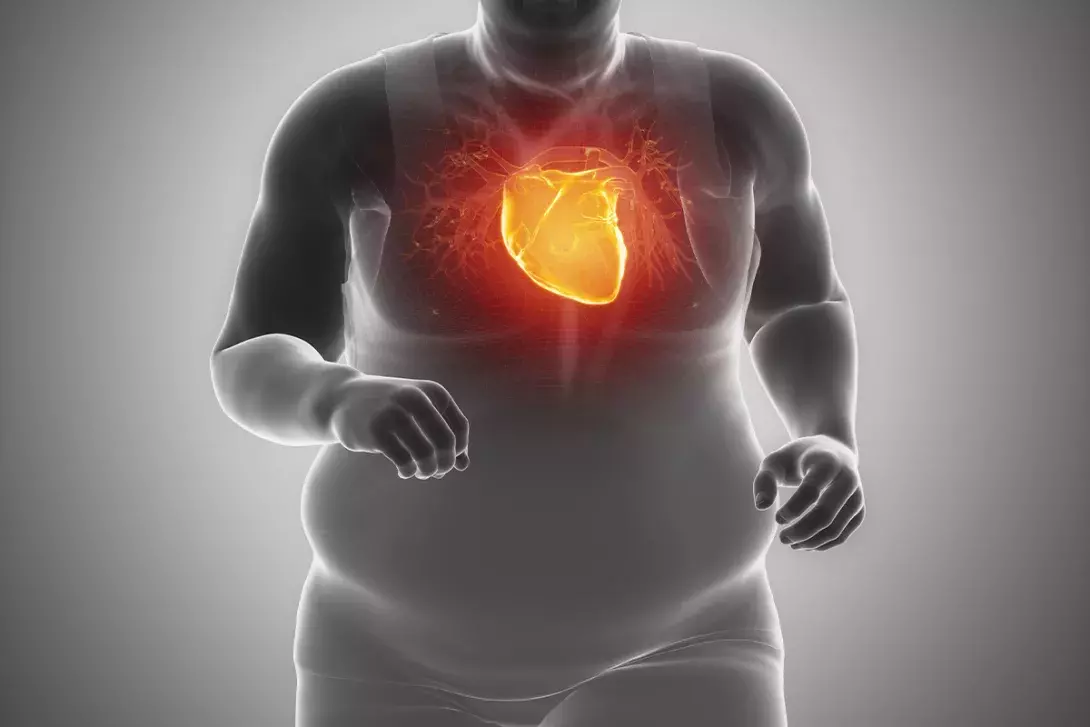
    Health Risks of Obesity: Beyond Weight (Diabetes, Heart Disease, Cancer)

    Introduction Obesity is more than just carrying excess weight; it’s a complex health condition that significantly increases the risk of multiple serious diseases. Worldwide, obesity rates have surged, leading to a greater burden of chronic illnesses such as type 2 diabetes, cardiovascular disease, and certain cancers. Understanding these health risks helps emphasize the importance of the prevention and management of obesity for overall well-being. Obesity and Type 2 Diabetes Connection Health Implications Obesity and Heart Disease Mechanisms Additional Factors Obesity and Cancer Increased Risk of Several Cancers Impact on Treatment and Prognosis Other Health Risks Associated with Obesity Preventing and…

  • Blog - Prevention & Wellness

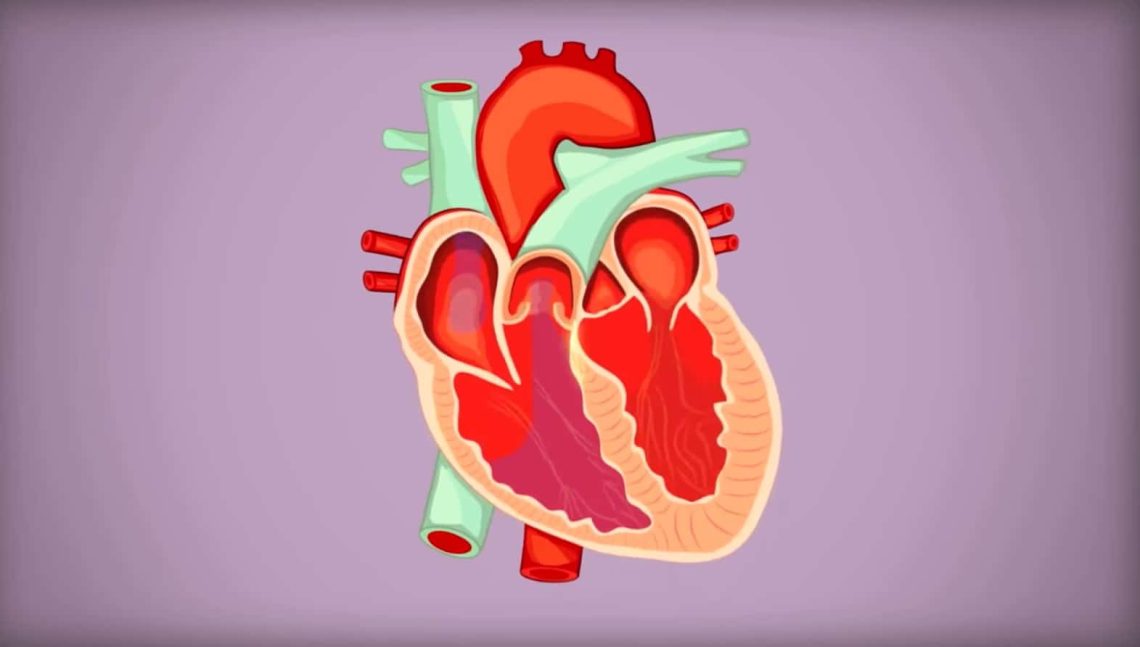
    Preventing Heart Disease: Assessing Your Risk Factors Early

    Introduction Heart disease is the leading cause of death worldwide, but the majority of cases are preventable. The key to prevention lies in early identification and management of risk factors—many of which begin silently, long before symptoms appear. By understanding and assessing your personal risk profile early in life, you can make informed lifestyle and medical choices to protect your heart for years to come. 1. Why Early Risk Assessment Matters Heart disease often develops gradually over decades, without obvious symptoms. By the time a heart attack or stroke occurs, damage may already be significant. Early assessment helps to: The…

  • Blog - Diseases & Conditions - Women's Health

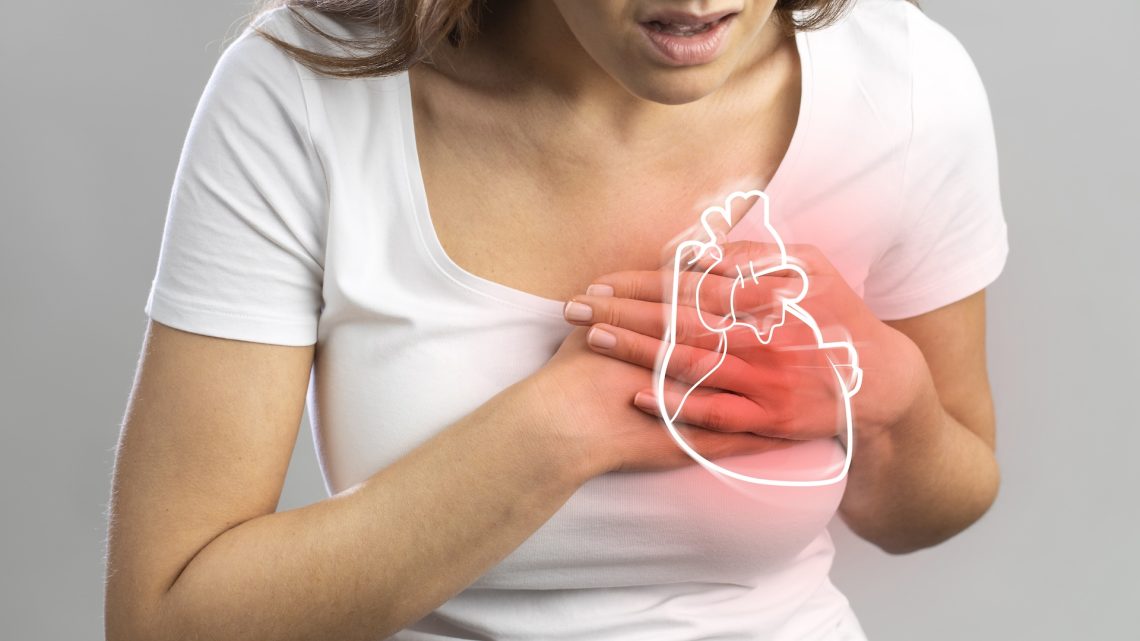
    Women’s Heart Health: Unique Risks and Symptoms

    Introduction Heart disease is the leading cause of death in women worldwide, yet it remains one of the most under-recognized and underdiagnosed health threats they face. For decades, cardiovascular research and treatment strategies have been primarily focused on men. As a result, many women and healthcare providers are unaware of the unique risks and symptoms women experience when it comes to heart disease. This article explores the key differences in how heart disease affects women, including risk factors, warning signs, diagnostic challenges, and strategies for prevention and care. 1. Why Women’s Heart Health Is Different Biological and Hormonal Differences Gender…

  • Blog - Diseases & Conditions - Health Issues

    The Link Between Sleep Apnea and Heart Disease

    Introduction Sleep is essential for overall health, but when it’s interrupted by breathing problems, it can have serious consequences—especially for the heart. Sleep apnea, a common and often undiagnosed sleep disorder, does more than just cause fatigue. Research has clearly shown a strong link between sleep apnea and heart disease, including high blood pressure, arrhythmias, heart failure, stroke, and even sudden cardiac death. Understanding this connection is vital for early diagnosis and treatment, potentially reducing the risk of life-threatening cardiovascular complications. 1. What is Sleep Apnea? Sleep apnea is a condition where breathing repeatedly stops and starts during sleep. There…

  • Blog - Diseases & Conditions - Health Issues

    Arrhythmias Explained: From AFib to PVCs – Symptoms & Treatments

    Introduction A healthy heart beats in a steady, rhythmic pattern—about 60 to 100 times per minute at rest. But when that rhythm becomes irregular, too fast, or too slow, it’s known as an arrhythmia. While some arrhythmias are harmless and go unnoticed, others can be life-threatening and require immediate medical attention. Understanding the different types of arrhythmias—from atrial fibrillation (AFib) to premature ventricular contractions (PVCs)—is key to recognizing symptoms early and managing treatment effectively. This article provides a comprehensive overview of common arrhythmias, their causes, symptoms, diagnosis, and treatment options. 1. What Is an Arrhythmia? An arrhythmia is an abnormal…

  • Blog - Nutrition & Diet

    Heart Failure Management: Lifestyle Changes and Medications

    Introduction Heart failure is a chronic condition in which the heart cannot pump blood effectively enough to meet the body’s needs. It affects millions of people worldwide and is a leading cause of hospitalization and reduced quality of life—especially in older adults. Despite its name, heart failure doesn’t mean the heart has stopped working; it means it is working less efficiently, leading to fatigue, breathlessness, and fluid retention. While heart failure is a serious condition, it can be managed effectively through a combination of lifestyle changes and medications. With the right treatment plan, many people with heart failure live longer,…

  • Blog - Nutrition & Diet

    Heart-Healthy Diet Principles: Focus on Fats, Fiber, and Sodium

    Introduction Cardiovascular diseases (CVD) remain the leading cause of death globally, accounting for millions of deaths each year. While genetics play a role in heart health, diet is one of the most influential factors that individuals can control. A heart-healthy diet doesn’t merely involve eating less or losing weight—it requires strategic nutritional choices aimed at improving cardiovascular function, reducing inflammation, and maintaining healthy blood pressure and cholesterol levels. Three dietary components—fats, fiber, and sodium—stand out as especially crucial in shaping heart health. Understanding how to manage and optimize your intake of these elements can dramatically reduce the risk of heart…

  • Ask the Experts - Blog - Diseases & Conditions - Fitness & Exercise - Health Issues - Lifestyle & Wellness - Nutrition & Diet - Prevention & Wellness

    Cardiac Rehabilitation Programs: Explain the importance of cardiac rehab for heart disease patients

    Introduction: Cardiovascular diseases, including heart attacks and heart failure, continue to be a leading cause of death worldwide. While medical advances have improved the survival rates of patients with heart disease, it’s essential to understand that managing and recovering from heart-related issues requires more than just medical treatment. Cardiac rehabilitation programs are a vital component in the comprehensive care of heart disease patients, offering them the tools, guidance, and support needed to regain their health, strength, and quality of life.   Cardiac Rehabilitation Cardiac rehabilitation, often referred to as cardiac rehab, is a medically supervised program designed to assist individuals…

  • Blog - Diseases & Conditions - Health Issues - Prevention & Wellness - Resources & Tools

    Understanding Heart Failure

    Introduction: Heart failure is a chronic and progressive condition characterized by the heart’s inability to pump blood effectively to meet the body’s needs. It can significantly impact an individual’s quality of life and requires comprehensive management to mitigate its effects. In this blog, we will delve into the causes, symptoms, and treatment options for heart failure, providing valuable insights into this complex cardiovascular disorder.   Causes and Risk Factors of Heart Failure: Several factors can contribute to the development of heart failure, with the most common underlying conditions including: Coronary Artery Disease (CAD): CAD occurs when the arteries that supply…