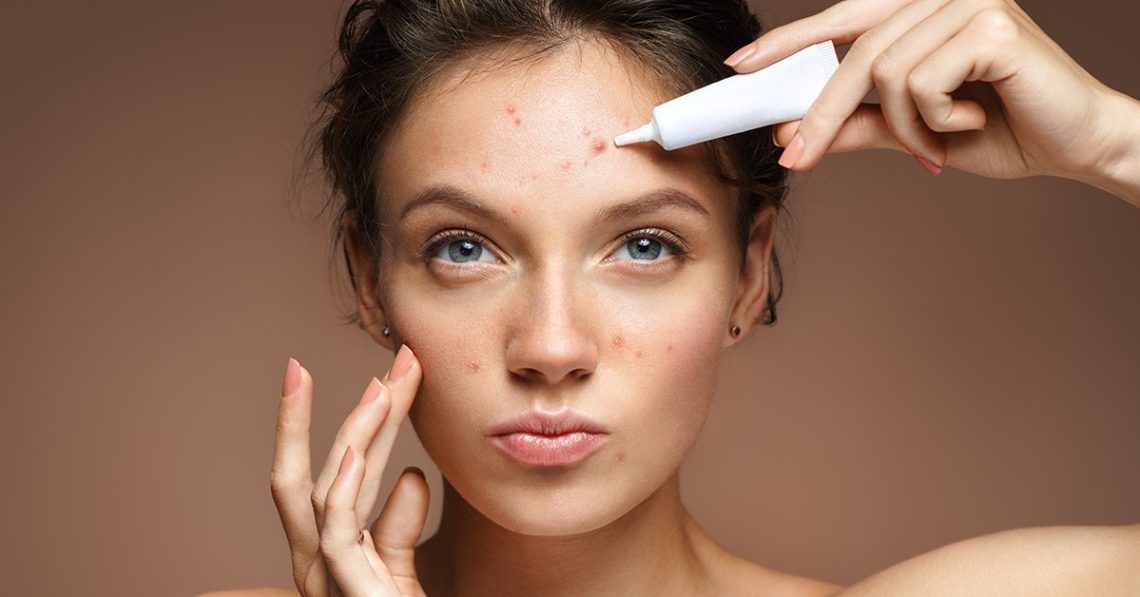
Introduction Acne is often seen as a simple skin problem, but at its core, it is deeply influenced by hormonal activity. Whether you’re a teenager going through puberty or an adult dealing with breakouts in your 30s or 40s, hormones play a major role in triggering, worsening, and sustaining acne. Understanding how hormones affect the skin helps explain why acne becomes chronic in some people and why certain treatments—especially hormonal therapies—work so effectively. This article explores how hormones contribute to acne, why hormonal acne is so common, and the treatment options that target these internal imbalances. How Hormones Contribute to…
-
-
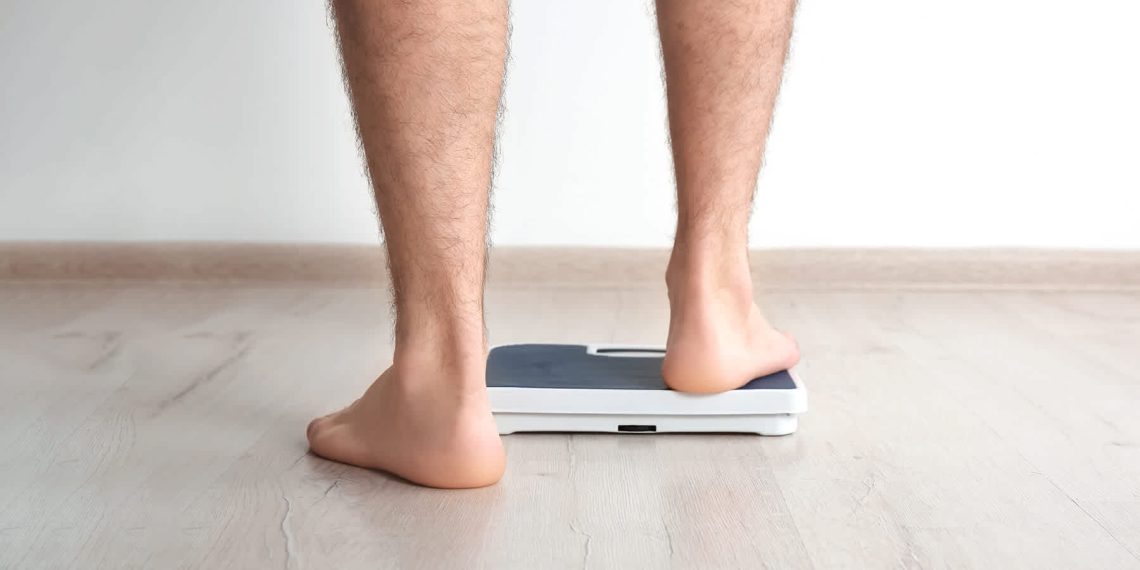
Introduction Weight management is often thought of as a simple equation of calories in versus calories out. While energy balance is certainly important, the body’s internal hormonal system plays a major role in regulating appetite, metabolism, and fat storage. Among these hormones, leptin and ghrelin are two of the most critical players. Often referred to as the “hunger hormones,” they act as messengers between the gut, fat stores, and the brain to help control food intake and body weight. Understanding how leptin and ghrelin function—and how imbalances can affect weight—can provide valuable insight into why weight loss is so challenging…
-
INTROUCTION: According to the World Health Organization infertility effects most of the people all around the world. Infertility primarily brought on by male factors, including abnormal semen parameters or function, abnormalities of the reproductive system that are anatomical, endocrine, genetic, functional, or immunological, chronic illness, and sexual conditions that interfere with the ability to deposit semen in the vagina. Numerous variables, including genetics and environmental conditions, contribute to infertility. From a genetic perspective, we are supposed to contact healthcare workers because they know how to fix the genetic issue, but for environmental issues, we are responsible. Already, our habits and…