• Blog - Lifestyle & Wellness

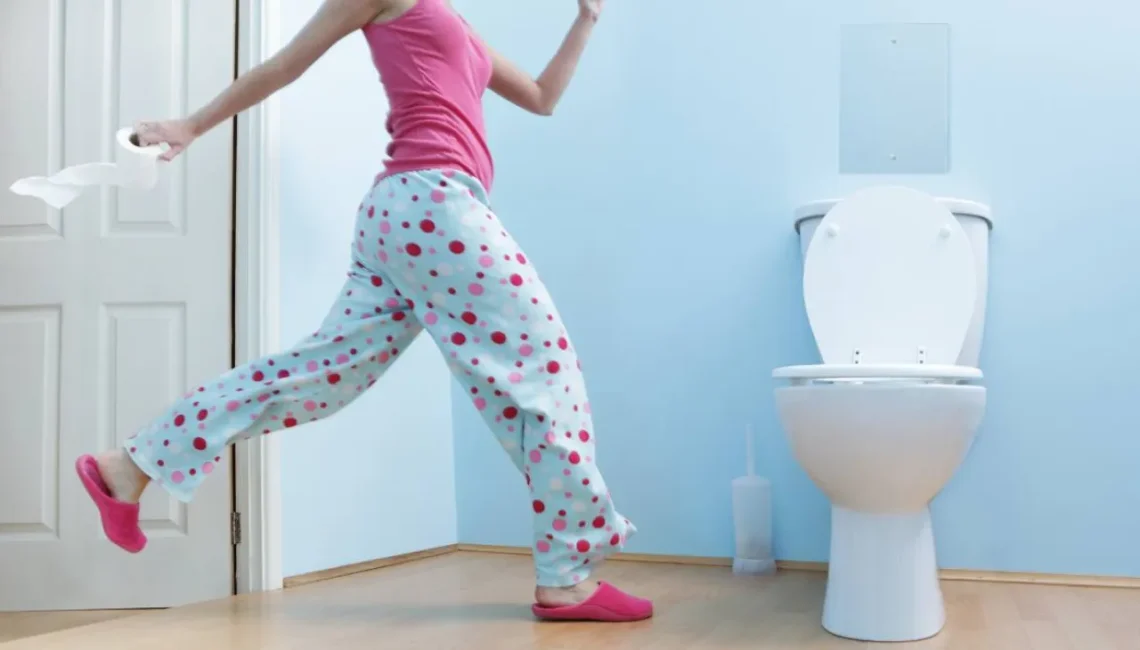
    Managing Incontinence During Exercise and Travel

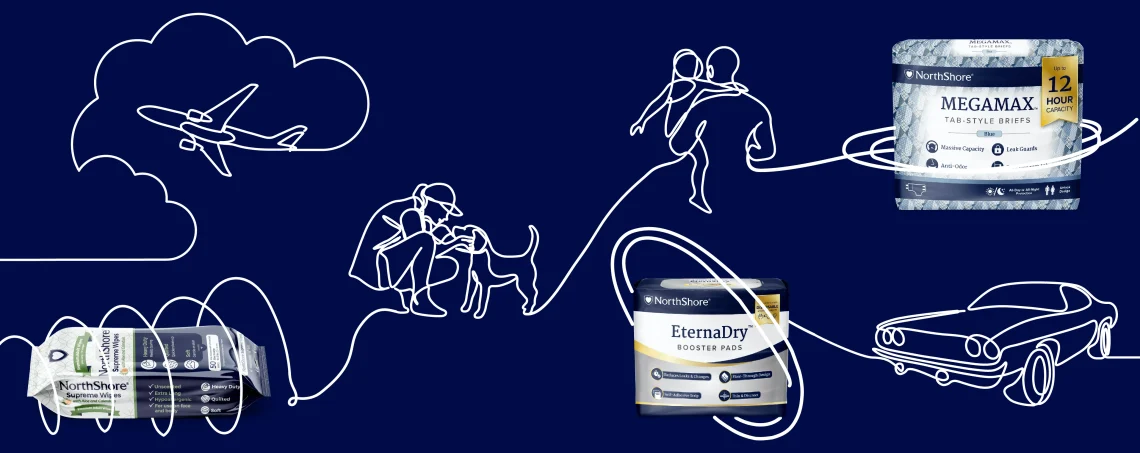
    Introduction Urinary incontinence can be challenging, especially when staying active or traveling. Physical activity and long journeys may increase the risk of leakage, leading to discomfort, embarrassment, and anxiety. However, with careful planning, the right products, and targeted strategies, people with incontinence can continue exercising and traveling confidently. This guide provides practical tips to manage incontinence in these situations. 1. Preparing for Exercise Choose the Right Activity Strengthen Your Pelvic Floor Timing and Bathroom Access Clothing and Protection 2. Managing Incontinence While Traveling Plan Ahead Packing Essentials Fluid Management Clothing Considerations 3. Coping Strategies During Both Exercise and Travel 4.…
  • Blog - Diseases & Conditions

    Incontinence After Childbirth or Prostate Surgery

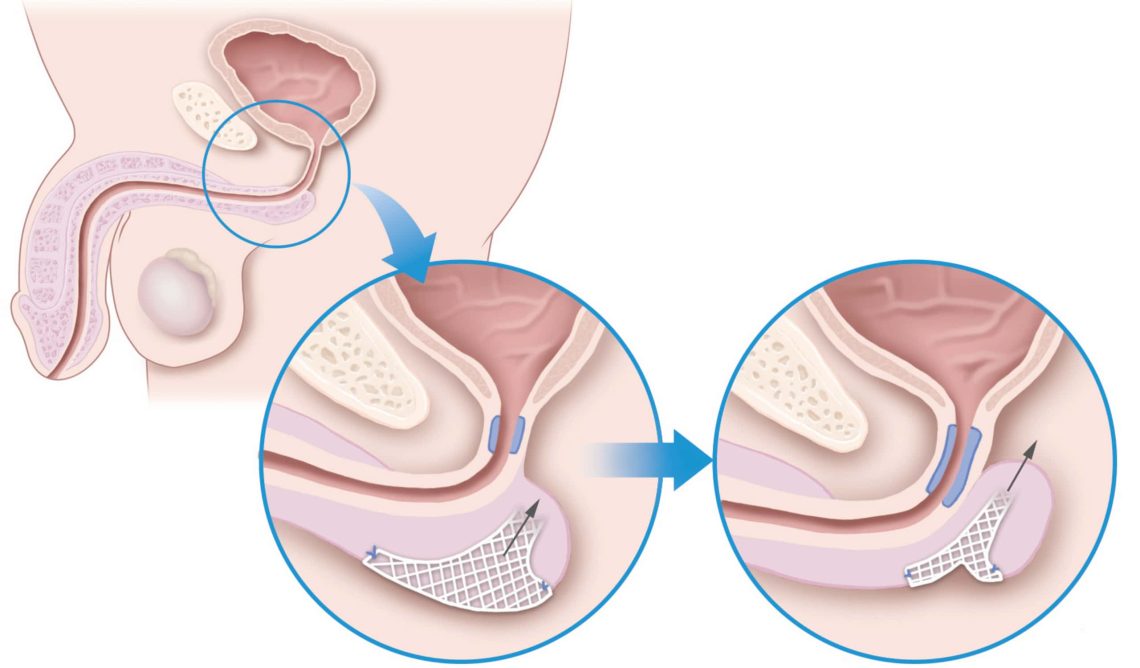
    Introduction Urinary incontinence is a common condition that can affect both men and women, particularly after childbirth in women and prostate surgery in men. While often temporary, incontinence can significantly impact daily life, self-confidence, and emotional well-being. Understanding the causes, risk factors, and management strategies is key to recovery and regaining bladder control. Incontinence After Childbirth Causes Childbirth can weaken the pelvic floor muscles, which support the bladder, uterus, and rectum. Factors contributing to postpartum incontinence include: Types of Postpartum Incontinence Management Strategies Incontinence After Prostate Surgery Prostate surgeries, such as prostatectomy for prostate cancer or transurethral resection of the…

  • Blog - Lifestyle & Wellness

    Lifestyle Changes to Reduce Incontinence: Diet, Fluids, Weight

    Introduction Urinary incontinence—the involuntary loss of bladder control—can affect daily life, self-confidence, and overall well-being. While medical treatments and exercises like pelvic floor training are important, lifestyle modifications play a crucial role in managing and reducing symptoms. Simple changes in diet, fluid intake, and body weight can significantly improve bladder control and reduce the frequency and severity of leakage. This article explores practical lifestyle strategies to help manage incontinence effectively. 1. Diet Modifications Certain foods and beverages can irritate the bladder and worsen incontinence. Adjusting your diet can make a noticeable difference. Bladder Irritants to Limit or Avoid Foods That…

  • Blog - Diseases & Conditions

    Types of Incontinence: Stress, Urge, Overflow, Functional – Causes & Symptoms

    Introduction Urinary incontinence is the involuntary loss of bladder control, leading to accidental leakage of urine. While it is more common in older adults and women, it can affect people of any age or gender. Incontinence is not a disease itself but a symptom of underlying health issues. Understanding the different types—stress, urge, overflow, and functional incontinence—can help individuals identify causes, recognize symptoms, and seek appropriate medical support. 1. Stress Incontinence Causes Symptoms 2. Urge Incontinence (Overactive Bladder) Causes Symptoms 3. Overflow Incontinence Causes Symptoms 4. Functional Incontinence Causes Symptoms Conclusion Urinary incontinence can be distressing and affect quality of…