• Blog - Prevention & Wellness

    Preventing Recurrence: Long-Term Strategies After Your First Stone

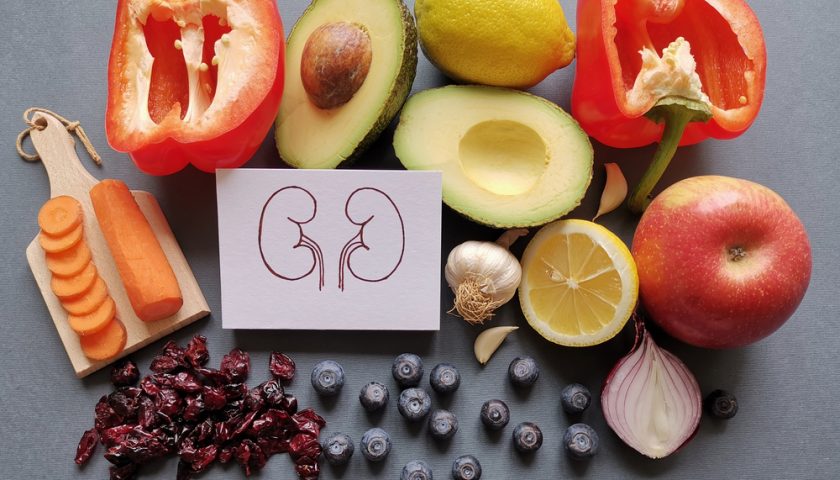
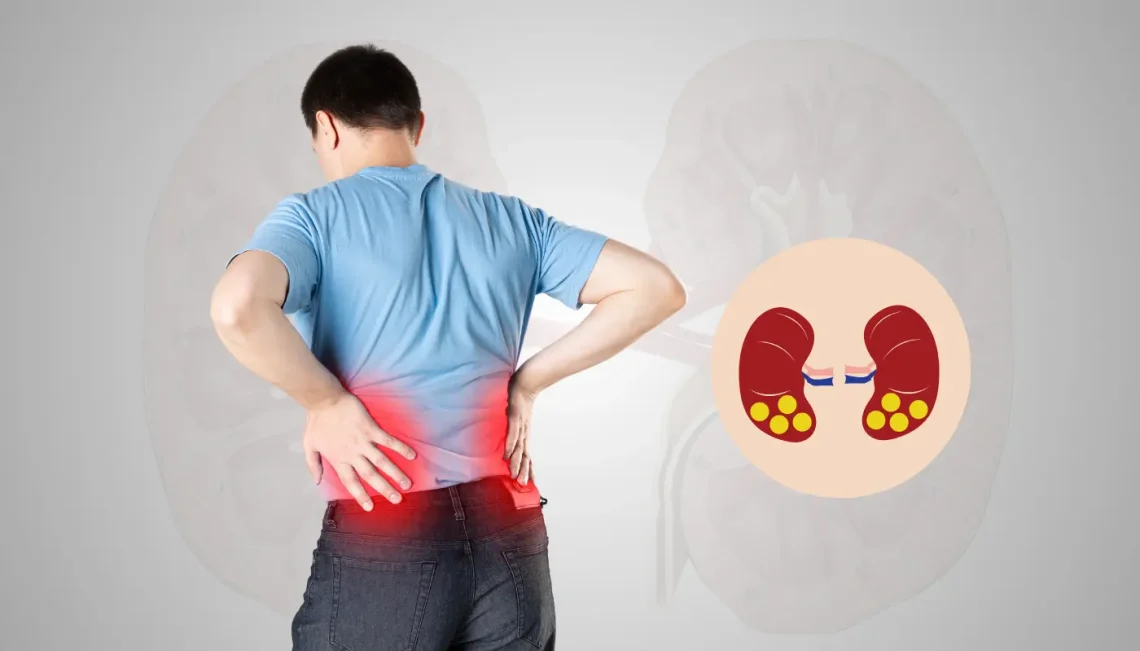
    Introduction Passing a kidney stone can be an intense and painful ordeal. While many people believe the problem ends once the stone has passed, the reality is that kidney stones often recur. In fact, studies show that nearly 50% of people who have had one kidney stone will experience another within 5-10 years if no preventive measures are taken. The good news is that there are effective long-term strategies you can adopt after your first stone to reduce the risk of recurrence. This article explores these strategies, covering lifestyle changes, dietary recommendations, medical treatments, and monitoring to help you maintain…
  • Blog - Diseases & Conditions

    Underlying Conditions Linked to Kidney Stones (Hyperparathyroidism, UTIs)

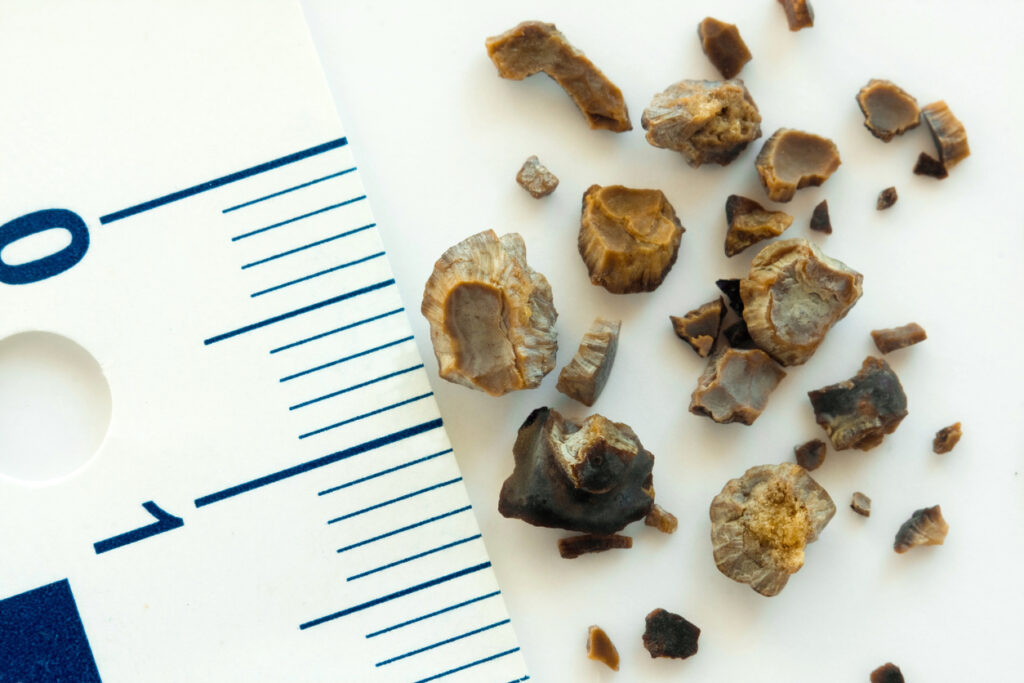
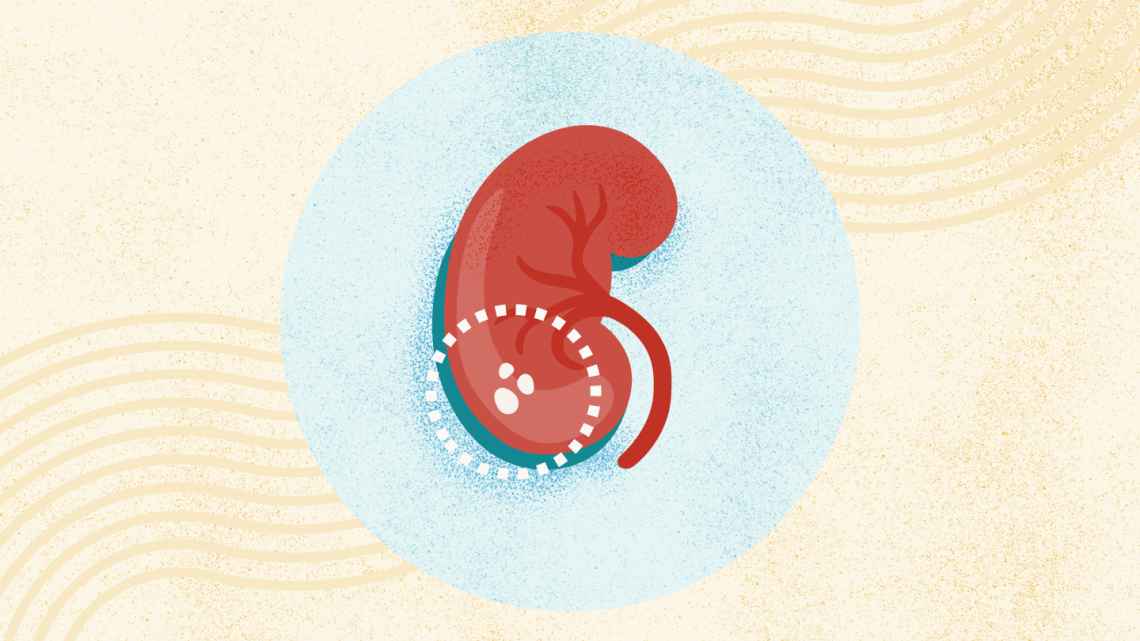
    Introduction Kidney stones are a common urological problem caused by a variety of factors, including diet, genetics, and dehydration. However, certain underlying medical conditions can significantly increase the risk of developing kidney stones. Understanding these conditions is essential for effective treatment and prevention of recurrent stones. This article explores key medical disorders linked to kidney stones, focusing on hyperparathyroidism and urinary tract infections (UTIs), as well as other notable conditions. How Underlying Conditions Influence Kidney Stone Formation Kidney stones form when urine becomes supersaturated with minerals and salts, leading to crystal formation. Underlying diseases can alter the balance of urine…

  • Blog - Prevention & Wellness

    Passing a Stone at Home: Tips and When to Get Help

    Introduction Passing a kidney stone can be an intensely painful experience, but many small stones pass naturally without surgery or invasive procedures. If you’re dealing with a kidney stone at home, knowing how to manage pain, aid the stone’s passage, and recognize warning signs that require urgent medical attention is crucial. This article offers a detailed guide on safely passing a stone at home, helpful tips for comfort, and clear advice on when to seek emergency care. Understanding Kidney Stones and the Passing Process Kidney stones are hard deposits of minerals and salts that form in the kidneys and can…

  • Blog - Nutrition & Diet

    Lemon Juice & Citrate: Natural Allies Against Kidney Stones?

    Introduction Kidney stones are a painful condition affecting millions globally, often recurring without proper prevention. Among natural remedies and preventive strategies, lemon juice and its active component citrate have gained popularity as potential allies against kidney stones. But how effective are they, and what does the science say? This detailed article explores the role of lemon juice and citrate in kidney stone prevention, how they work, recommended intake, and practical tips for incorporating them into your daily routine. Understanding Kidney Stones and Citrate Kidney stones form when minerals in the urine, such as calcium, oxalate, and uric acid, crystallize and…

  • Blog - Nutrition & Diet

    Dietary Changes Based on Your Stone Type (Calcium Oxalate, Uric Acid, etc.)

    Introduction Kidney stones are a painful and recurring condition for many people. But did you know that the type of kidney stone you have directly influences the best dietary changes to prevent future stones? Each stone type forms due to different chemical imbalances and triggers, so a one-size-fits-all diet often isn’t effective. This article explains the major types of kidney stones and the tailored dietary strategies that can help reduce your risk of recurrence and support kidney health. Understanding Kidney Stone Types and Their Dietary Triggers The most common kidney stone types include: Each has unique causes, and adjusting your…

  • Blog - Diseases & Conditions - Health Issues

    Non-Surgical Stone Treatments: ESWL & Ureteroscopy Explained

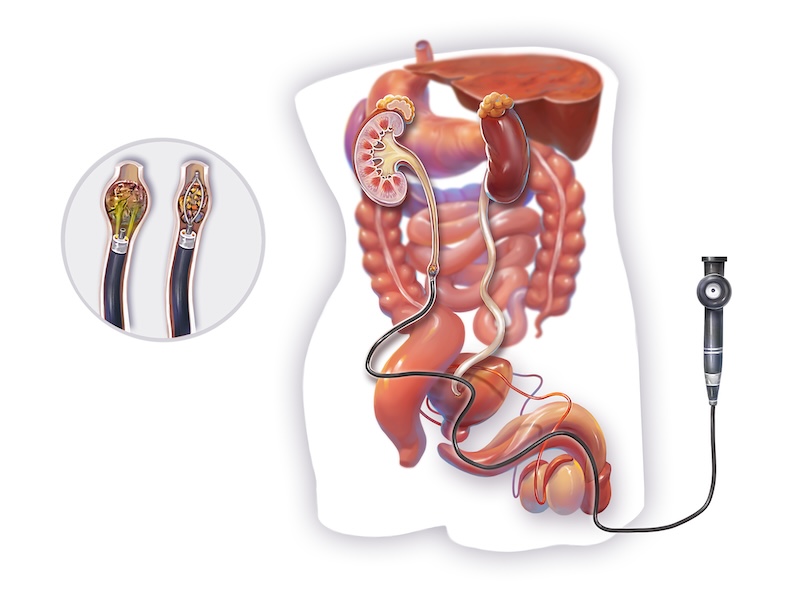
    Introduction Kidney stones can cause severe pain and discomfort, and while some small stones pass naturally, others require medical intervention. Fortunately, advances in medical technology have led to effective non-surgical or minimally invasive treatments that avoid the need for open surgery. Two of the most common and successful options are Extracorporeal Shock Wave Lithotripsy (ESWL) and Ureteroscopy (URS). This article will explain how these treatments work, when they are recommended, their benefits, risks, and what patients can expect during recovery. What is ESWL? Extracorporeal Shock Wave Lithotripsy (ESWL) is a non-invasive procedure that uses focused shock waves to break kidney…

  • Blog - Diseases & Conditions - Prevention & Wellness

    Types of Kidney Stones: Causes, Composition & Treatment Differences

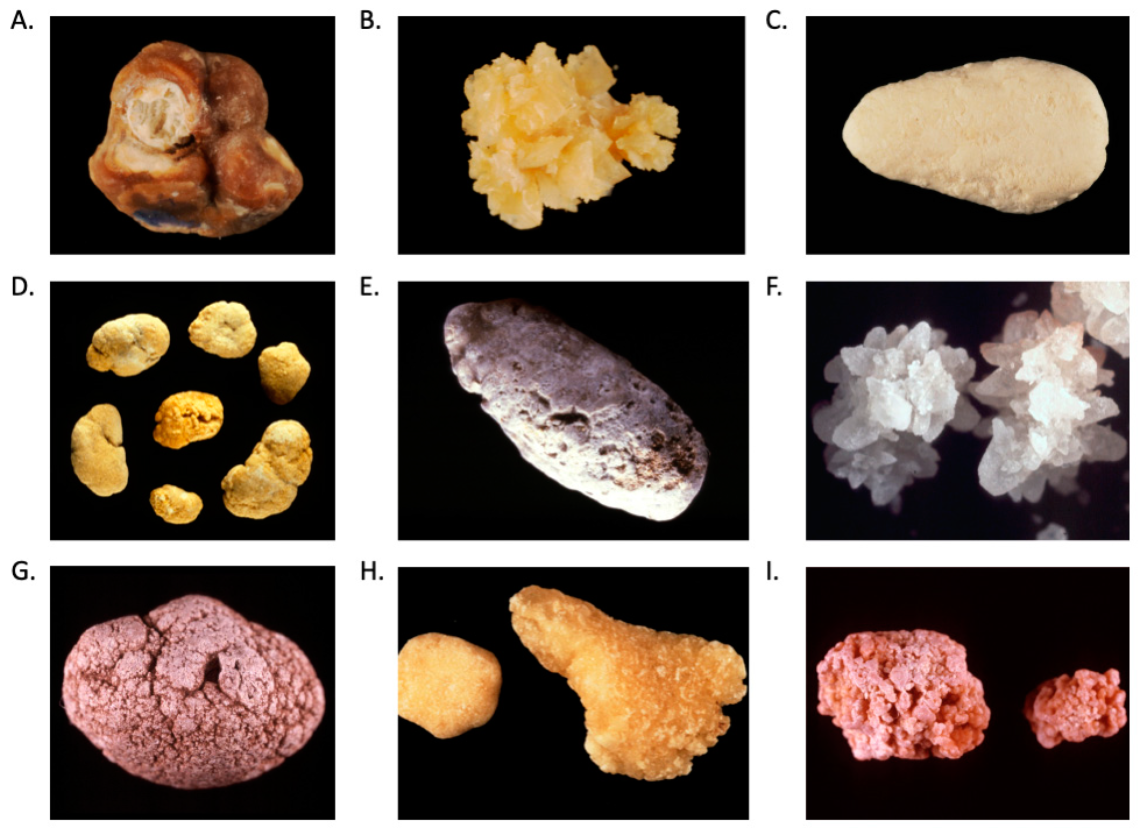
    Introduction Kidney stones are a common and painful condition affecting millions worldwide. While most people think of them as a single type, there are actually several different kinds of kidney stones—each with unique causes, chemical compositions, risk factors, and treatment approaches. Understanding the specific type of kidney stone you have can help guide more effective treatment and prevention strategies. In this article, we’ll explore the major types of kidney stones, how they form, what they’re made of, and how their management differs. What Are Kidney Stones? Kidney stones, or renal calculi, are hard mineral and salt deposits that form inside…

  • Blog - Nutrition & Diet

    Oxalate Awareness: Foods to Limit if You Form Stones

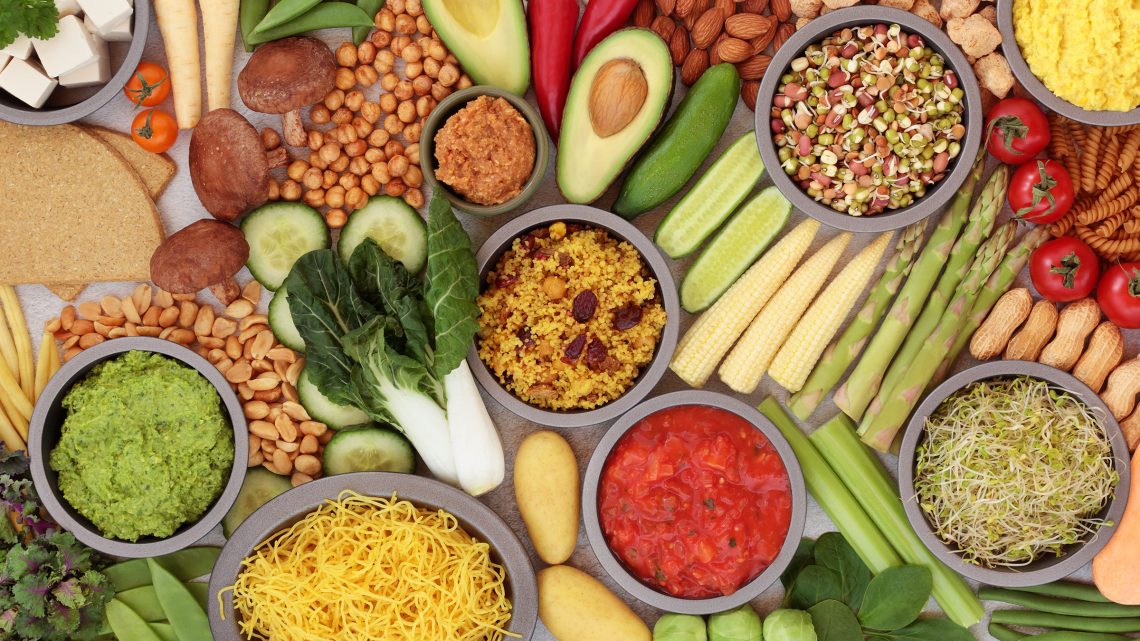
    Introduction If you’ve experienced kidney stones—especially calcium oxalate stones, the most common type—your doctor may have advised you to reduce your intake of oxalates. But what exactly are oxalates, and why do they matter? Oxalates are naturally occurring compounds found in many plant-based foods. While they’re harmless for most people, those prone to kidney stones must be cautious. In this comprehensive guide, we’ll break down what oxalates are, how they affect stone formation, and which foods to limit or pair wisely to reduce your risk. What Are Oxalates? Oxalates (or oxalic acid) are organic acids found in many fruits, vegetables,…

  • Blog - Prevention & Wellness

    The Ultimate Hydration Guide for Kidney Stone Prevention

    Introduction Kidney stones can be excruciatingly painful and often recur without proper preventive care. One of the most effective and natural ways to prevent kidney stones is also the simplest: staying well-hydrated. Hydration helps dilute substances in the urine that lead to stone formation, reducing the risk of stones developing and aiding in the passage of small stones already formed. This article dives deep into the science of hydration, how much water you really need, the best fluids to drink, and hydration tips tailored specifically for kidney stone prevention. Why Hydration Matters for Kidney Health Your kidneys filter waste and…

  • Blog - Diseases & Conditions - Health Issues

    Kidney Stone Pain: What to Expect & How to Manage It

    Introduction Kidney stones are small, hard deposits made of minerals and salts that form inside your kidneys. While they might seem harmless due to their size, the pain they cause is anything but. Often described as one of the most intense types of pain a person can experience, kidney stone pain can come on suddenly and vary in duration and intensity. This article explores what kidney stone pain feels like, how it’s diagnosed, and the most effective ways to manage and prevent it. What Are Kidney Stones? Kidney stones, or renal calculi, form when certain substances—like calcium, oxalate, and uric…