Introduction When most people think of high-cholesterol foods, eggs and red meat likely come to mind. But while dietary cholesterol doesn’t impact blood cholesterol as much as once thought, consuming excessive amounts—especially alongside saturated and trans fats—can still raise your risk of heart disease. What may surprise you is that many everyday foods are higher in cholesterol than expected. Understanding which foods pack hidden cholesterol loads—and learning how to swap them for healthier options—can help you protect your heart while still enjoying delicious meals. This article highlights common foods that are surprisingly high in cholesterol and offers smart, heart-healthy swaps…
-
-
Introduction High levels of LDL (low-density lipoprotein) cholesterol, often called “bad” cholesterol, are a major risk factor for heart disease and stroke. While genetics and other medical conditions play a role, diet is one of the most powerful tools for lowering LDL cholesterol naturally. Making smart food choices can reduce the need for medication or enhance the effectiveness of existing treatments. This article explores the top 10 scientifically backed foods that help lower LDL cholesterol and improve your overall heart health, along with how to add them to your diet. 1. Oats and Barley Why They Work: Oats and barley…
-
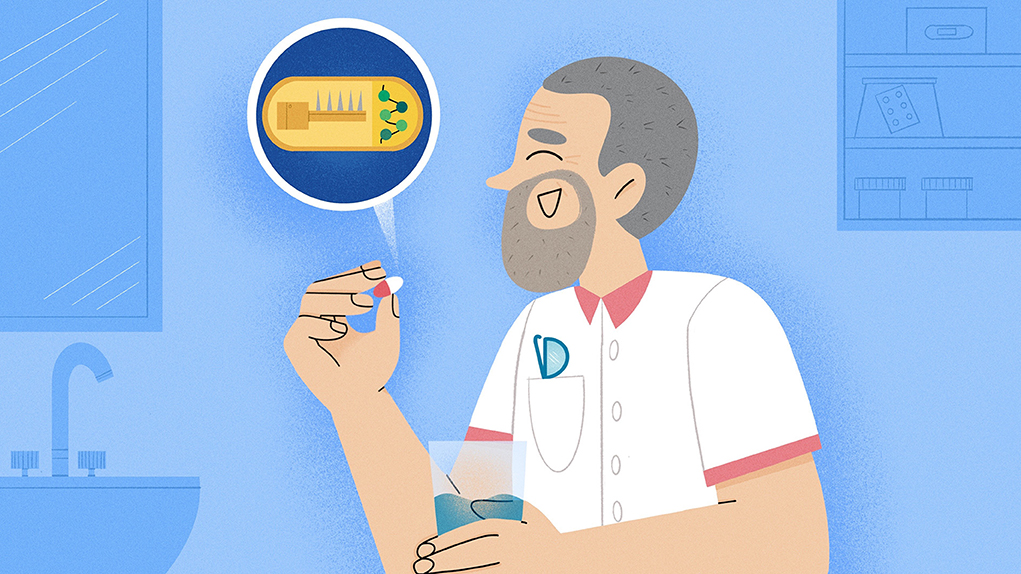
Introduction Statins are among the most commonly prescribed medications worldwide, especially for people at risk of cardiovascular disease. These cholesterol-lowering drugs have been shown to reduce the risk of heart attacks, strokes, and even death in high-risk individuals. Despite their widespread use and proven benefits, statins are often misunderstood, surrounded by myths, confusion, and concerns about side effects. This article demystifies statins: how they work, who should take them, what side effects to watch for, and what alternative treatments exist for those who can’t or choose not to take them. What Are Statins? Statins are a class of medications that…
-
Introduction Your doctor may ask for a lipid panel during a routine health checkup, especially to assess your heart health. But what do all those numbers and terms—HDL, LDL, triglycerides mean? Understanding your lipid panel is essential for taking control of your cardiovascular risk and making informed decisions about your lifestyle and medical care. This article will help you decode the components of a lipid panel, focusing on HDL (good cholesterol), LDL (bad cholesterol), and triglycerides, what their levels mean, why they matter, and how you can manage them for better health. What Is a Lipid Panel? A lipid panel…
-
Introduction Receiving an HPV diagnosis can be emotionally challenging, especially when it comes to discussing it with your partner. Because Human Papillomavirus (HPV) is a highly common sexually transmitted infection, understanding how to communicate openly and honestly is key to maintaining trust and intimacy in relationships. Open dialogue about HPV can reduce stigma, promote mutual support, and empower both partners to make informed decisions about health and prevention. This article offers a detailed guide on how to approach the conversation about HPV with your partner, covering when and how to talk, what to say, common concerns, and ways to foster…
-
Introduction Human Papillomavirus (HPV) is the most common sexually transmitted infection globally, affecting millions of individuals across all ages and backgrounds. Despite its prevalence, HPV remains a misunderstood virus, particularly regarding its progression and clearance in the human body. Many people diagnosed with HPV worry about the long-term implications of the infection, including whether the virus can be naturally eliminated or if it persists indefinitely. This article explores the natural history of HPV—how the virus behaves after infection, the body’s ability to clear it naturally, and factors influencing persistence or progression to disease. What Is HPV? HPV is a group…
-
Introduction Human Papillomavirus (HPV) is widely recognized for its critical role in causing cervical cancer, but its impact extends far beyond this single disease. HPV is implicated in several other cancers affecting both men and women, including anal, penile, and oropharyngeal (oral and throat) cancers. These HPV-related cancers have been increasing in incidence worldwide, highlighting the need for broader awareness, prevention, and early detection. This article delves into HPV’s role in anal, penile, and oral cancers—exploring how the virus causes these cancers, who is at risk, symptoms to watch for, and strategies to reduce your risk. Understanding HPV: A Quick…
-
Introduction Human Papillomavirus (HPV) is the most common sexually transmitted infection worldwide. Many women of reproductive age may have HPV during pregnancy or become infected while pregnant. While HPV is often harmless and clears on its own, its presence during pregnancy raises questions and concerns about risks to the mother, the baby, and the pregnancy itself. This article explores the relationship between HPV and pregnancy, including potential risks, transmission possibilities, and best practices for management to ensure maternal and fetal health. Understanding HPV in Pregnancy HPV infection is common among women of childbearing age. Many pregnant women with HPV have…
-
Introduction Genital warts are one of the most common sexually transmitted infections caused by certain types of the Human Papillomavirus (HPV). While they are generally benign and do not lead to cancer, genital warts can cause physical discomfort and emotional distress. Fortunately, several effective treatment options exist, and understanding what to expect during treatment can help individuals manage the condition with confidence and reduce transmission risks. This article provides a comprehensive overview of genital warts—what causes them, treatment methods, and how to manage the condition safely. What Are Genital Warts? Genital warts are small, flesh-colored or gray growths that appear…
-
Introduction Receiving a diagnosis of Human Papillomavirus (HPV) can feel confusing, overwhelming, and even scary, but it doesn’t have to be. HPV is incredibly common, affecting millions of people worldwide. In fact, nearly all sexually active individuals will be exposed to HPV at some point in their lives. For most people, the infection causes no symptoms and goes away on its own. However, for some, it may persist and lead to health complications like genital warts or even cancer. Living with HPV is not a life sentence—it’s a manageable condition. With the right knowledge and approach, individuals can protect their…