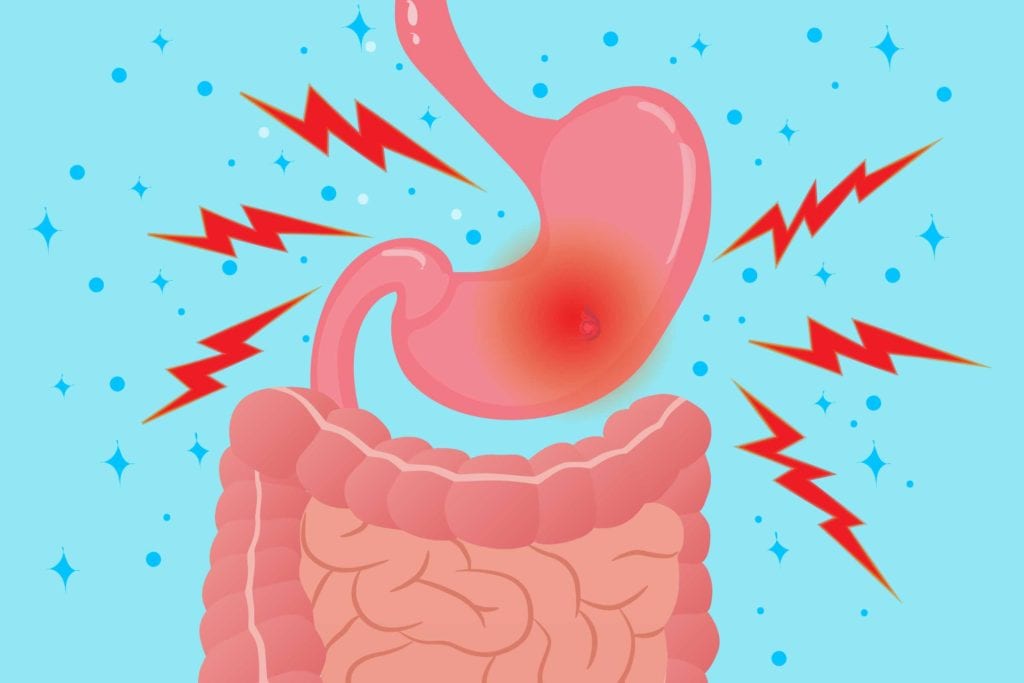
Introduction The abdominal area is a complex region that houses several vital organs, including the stomach, intestines, liver, pancreas, kidneys, spleen, and reproductive organs. The pain experienced in the abdomen can result from a wide variety of conditions, ranging from simple indigestion to life-threatening conditions like appendicitis or ectopic pregnancy. For physicians and healthcare providers, understanding where exactly the pain occurs helps in diagnosing the root cause. Similarly, patients who experience abdominal pain can benefit from knowing how the pain’s location might point to different types of conditions, allowing them to communicate more effectively with healthcare professionals. The abdomen is…
-
-
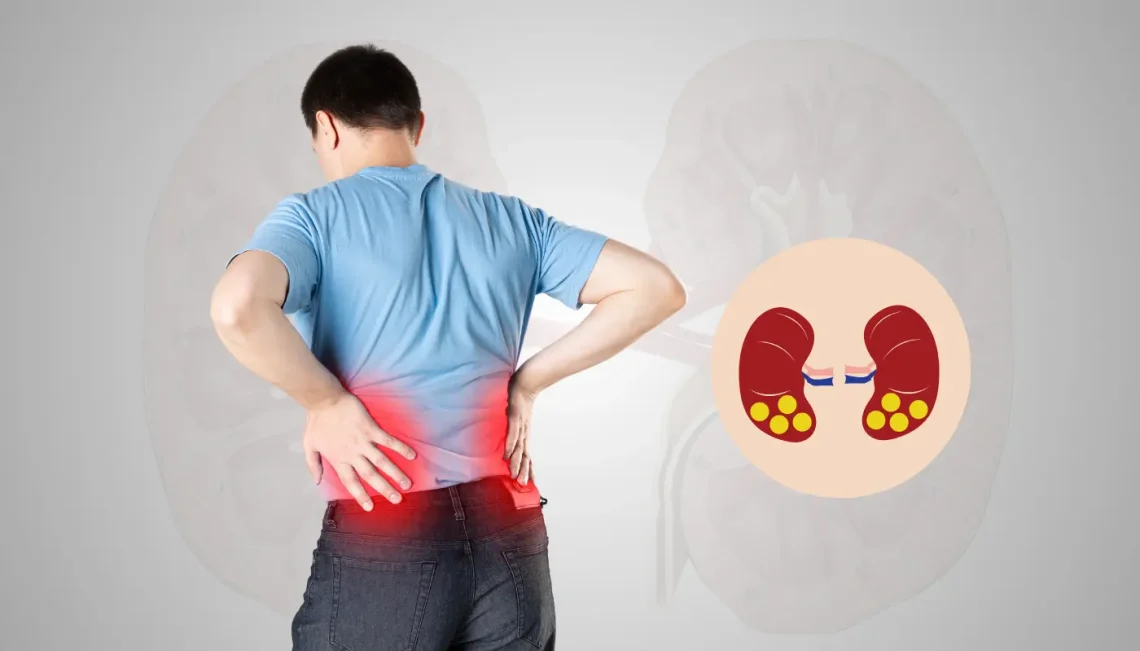
Introduction Kidney stones are small, hard deposits made of minerals and salts that form inside your kidneys. While they might seem harmless due to their size, the pain they cause is anything but. Often described as one of the most intense types of pain a person can experience, kidney stone pain can come on suddenly and vary in duration and intensity. This article explores what kidney stone pain feels like, how it’s diagnosed, and the most effective ways to manage and prevent it. What Are Kidney Stones? Kidney stones, or renal calculi, form when certain substances—like calcium, oxalate, and uric…
-
Introduction: Soft tissue injuries, which involve damage to muscles, tendons, or ligaments, are common and can result from various causes. Let’s discuss in this blog the causes, symptoms, diagnostic methods, and treatment modalities for soft tissue injuries that are essential for effective management and recovery. Causes of Soft Tissue Injuries: Soft tissue injuries can occur due to several factors, including: Trauma: Direct blows, falls, or sudden impacts can cause bruising, strains, sprains, or tears in the soft tissues. Overuse: Repetitive movements or excessive strain on muscles, tendons, or ligaments without adequate rest and recovery can lead to overuse injuries.…
-
Introduction: The knees are critical joints that bear much of the body’s weight and facilitate various movements. However, knee pain and problems, such as ligament injuries and osteoarthritis, can significantly affect mobility and quality of life. In this blog, let’s explore the causes, symptoms, diagnostic procedures, and treatment modalities for knee-related issues. Common Knee Pain and Problems: Ligament Injuries (ACL, PCL, MCL, LCL) Osteoarthritis Meniscus Tears Patellar Tendonitis (Jumper’s Knee) Bursitis Patellofemoral Pain Syndrome (Runner’s Knee) Causes: Knee pain and problems can arise from various factors, including: Trauma: Direct impact or sudden twisting movements can cause ligament injuries,…
-
Exercise plays a major role in maintaining and improving joint health. By engaging in a well-rounded fitness regimen that includes low-impact aerobics activities, strength training, stretching, and balance exercises, individuals can promote joint flexibility, muscle strength, and overall joint well-being.
-
Osteoarthritis and rheumatoid arthritis, despite both falling under the umbrella of arthritis, are distinct conditions with different causes, symptoms, progression, and treatment approaches. Understanding these differences is crucial for accurate diagnosis and effective management.
-
Introduction: Cholelithiasis, also known as gallstones, is a disorder in which the gallbladder generates bile, bilirubin, and cholesterol stones. Most of the time, these stones have no symptoms and are discovered by chance. In symptomatic patients, right upper abdomen discomfort, nausea, vomiting, pain in the epigastrium radiating to the right scapula or mid-back, risk factors for gallstone development, racial distribution, presenting symptoms, consequences, and treatment are all present. Gallstones are a worldwide disease; however, they are more common in Native Americans and Hispanics in North America and less common in Asian and African populations. Gallbladder sludge is thought to be…
-
INTRODUCTION: Endometriosis, a complex and challenging medical condition, occurs when tissue resembling the endometrial lining grows outside the uterus. Although distinct from typical endometrial tissue, these abnormal growths share certain characteristics, leading to a range of health implications. While these growths can appear anywhere in the body, they often target the pelvic region, including the ovaries, fallopian tubes, and uterine support tissues. Surprisingly, they can also infiltrate unexpected areas like the digestive tract, lungs, and even around the heart. Typically, during menstrual periods, the body naturally eliminates this kind of tissue. In endometriosis, however, this tissue stays inside the body,…