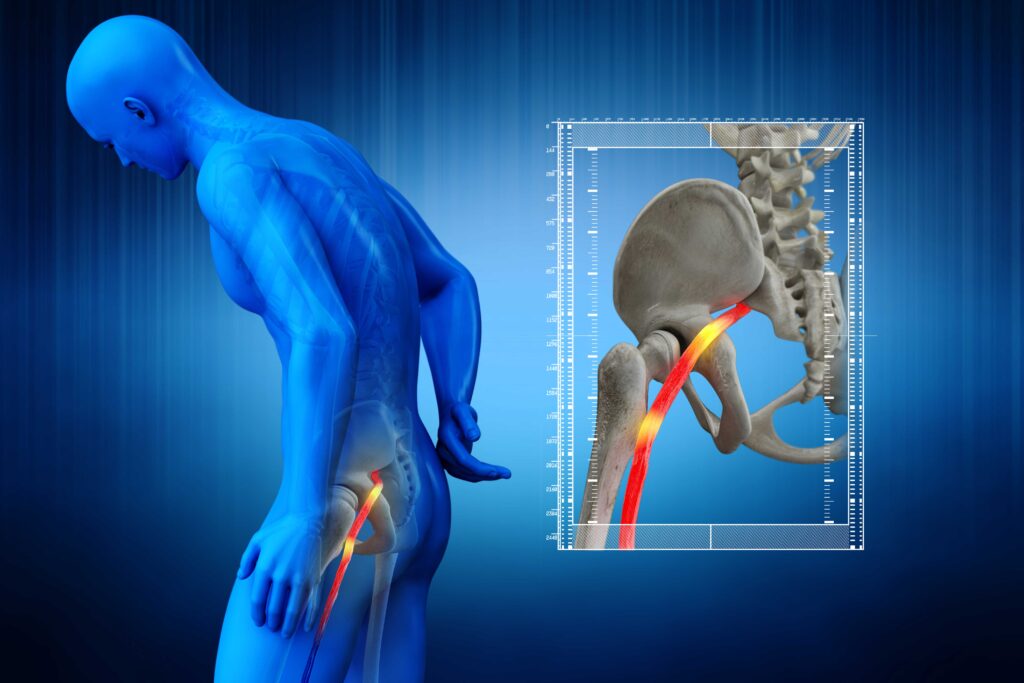
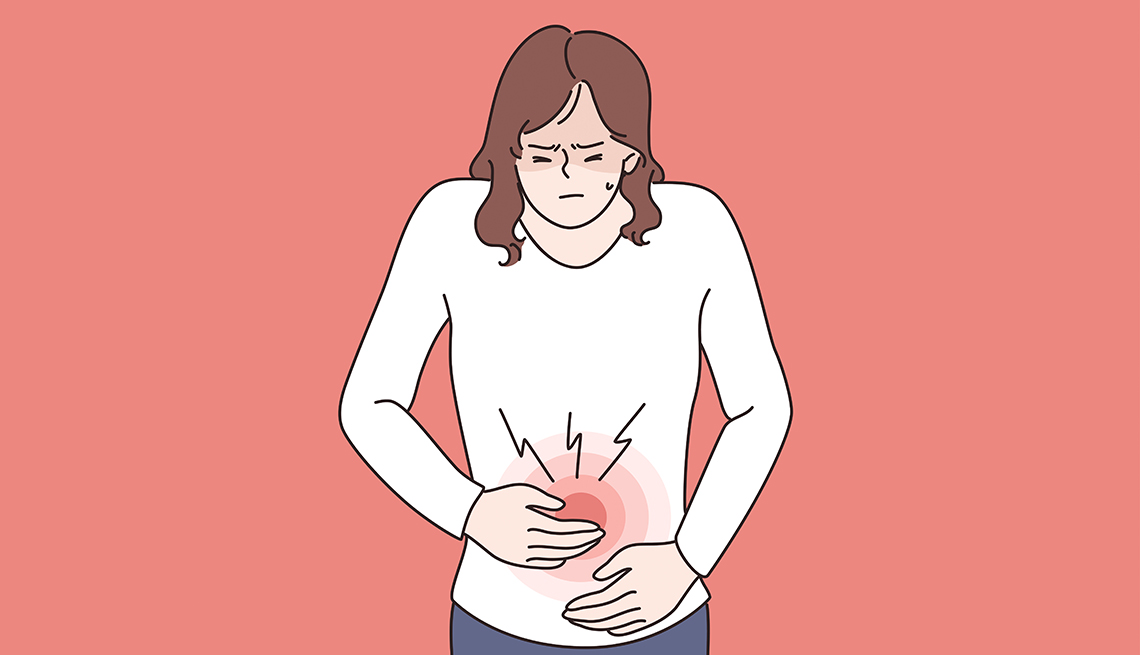
Introduction Sciatica is a condition characterized by pain, tingling, numbness, or weakness along the path of the sciatic nerve, which runs from the lower back, through the hips and buttocks, down each leg. It is most often caused by nerve compression due to a herniated disc, spinal stenosis, or muscle irritation. The intensity of pain can range from mild discomfort to severe, debilitating pain that interferes with daily activities. Understanding the causes, symptoms, and management strategies is crucial for relieving pain and preventing long-term issues. Effective sciatica management combines self-care, exercises, lifestyle modifications, medications, and, in severe cases, medical interventions.…
-
-
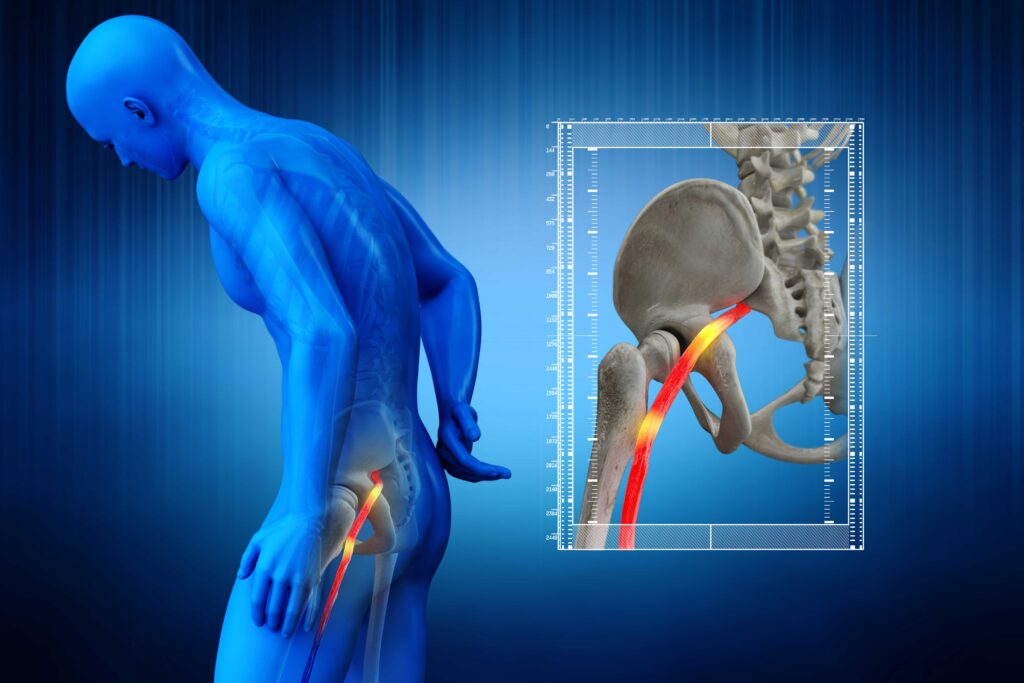
Introduction Sciatica is a condition characterized by pain, tingling, numbness, or weakness along the path of the sciatic nerve, which runs from the lower back through the hips, buttocks, and down each leg. It often occurs due to nerve compression or irritation caused by herniated discs, spinal stenosis, or muscle inflammation. Sciatica can range from mild discomfort to severe pain that interferes with daily activities. Effective management involves understanding the causes, symptoms, and treatment options, including self-care strategies, exercises, medications, and in some cases, medical interventions. This article provides a comprehensive guide to sciatica pain relief. Understanding Sciatica What Is…
-
Introduction Gas and bloating are common digestive complaints that can cause discomfort, embarrassment, and even pain. While occasional gas is normal, excessive bloating or persistent discomfort often relates to diet, lifestyle habits, or underlying digestive sensitivities. Fortunately, simple adjustments in eating patterns and daily routines can bring significant relief. This article explores effective dietary and lifestyle tips to help manage gas and bloating naturally. Understanding Gas and Bloating Dietary Tips for Gas and Bloating Relief 1. Eat Smaller, More Frequent Meals 2. Limit Gas-Producing Foods 3. Try a Low-FODMAP Diet 4. Reduce Carbonated Drinks 5. Eat Slowly and Chew Thoroughly…
-
Introduction Dysmenorrhea, or painful menstruation, affects a significant percentage of women, often disrupting their routines and quality of life. While over-the-counter medications and hormonal therapies can provide relief, natural approaches offer an alternative that many women prefer due to their minimal side effects and holistic benefits. By understanding the root causes of menstrual pain and adopting natural remedies, women can manage dysmenorrhea more effectively and sustainably. This article explores a variety of natural methods, home remedies, and lifestyle adjustments that can alleviate dysmenorrhea pain and promote overall well-being. Natural Methods Natural methods focus on non-invasive ways to address the pain…