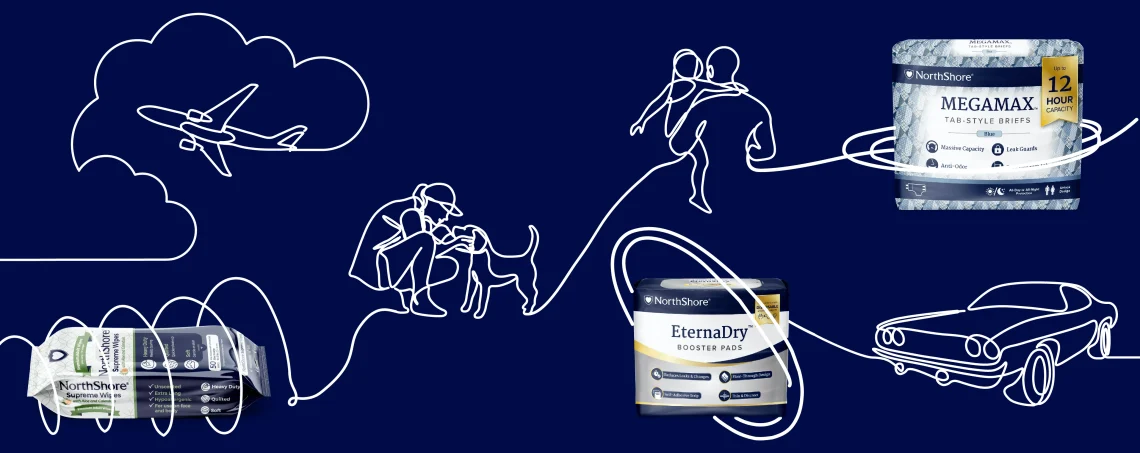
Introduction Urinary incontinence can be challenging, especially when staying active or traveling. Physical activity and long journeys may increase the risk of leakage, leading to discomfort, embarrassment, and anxiety. However, with careful planning, the right products, and targeted strategies, people with incontinence can continue exercising and traveling confidently. This guide provides practical tips to manage incontinence in these situations. 1. Preparing for Exercise Choose the Right Activity Strengthen Your Pelvic Floor Timing and Bathroom Access Clothing and Protection 2. Managing Incontinence While Traveling Plan Ahead Packing Essentials Fluid Management Clothing Considerations 3. Coping Strategies During Both Exercise and Travel 4.…