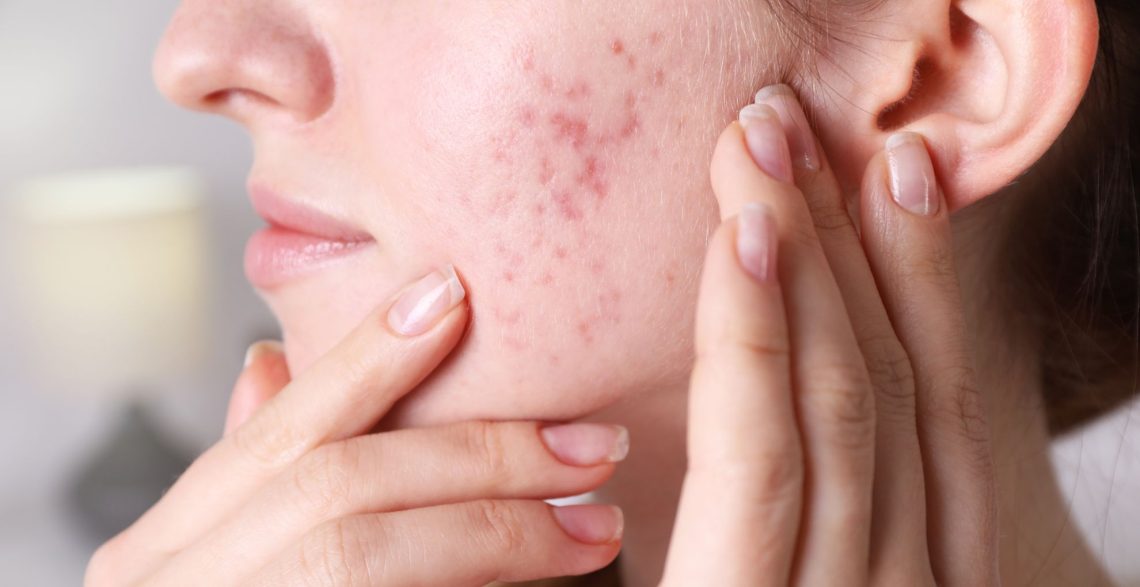
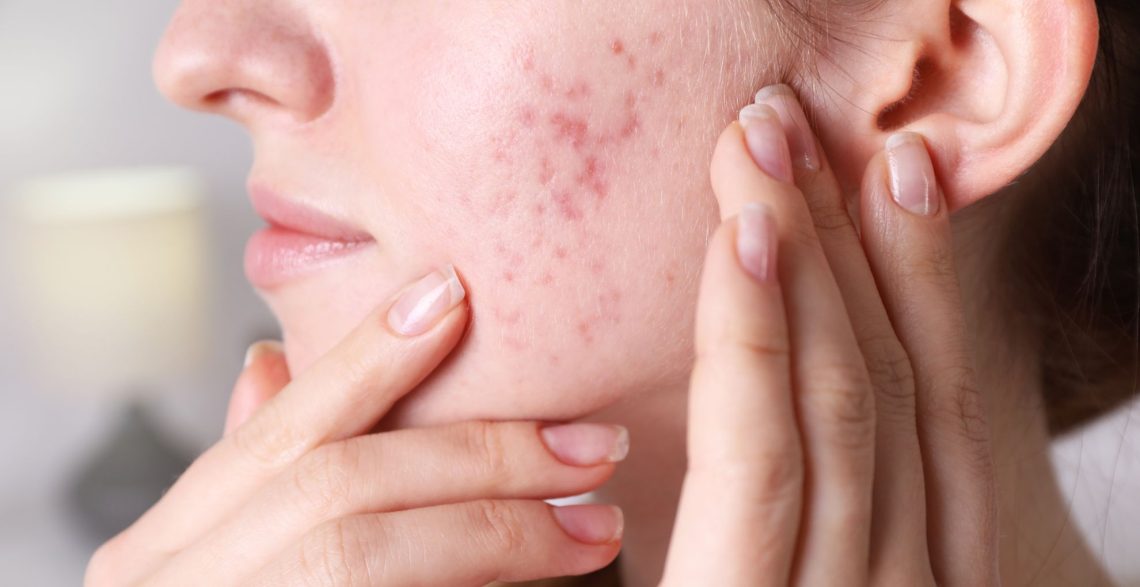
Introduction Under-the-skin pimples—also known as cystic pimples or cystic acne—are among the most painful and stubborn types of breakouts. Unlike surface pimples, they form deep within the skin, causing swelling, tenderness, and inflammation. These pimples often never develop a visible “head,” which is why they feel like hard, painful bumps under the surface. Cystic pimples can be emotionally frustrating because they last longer, resist simple treatments, and can leave behind scars or dark marks. Understanding why they form and how to manage them safely can make a huge difference in preventing damage and speeding up healing. Introduction: What Are Under-the-Skin…
-
-
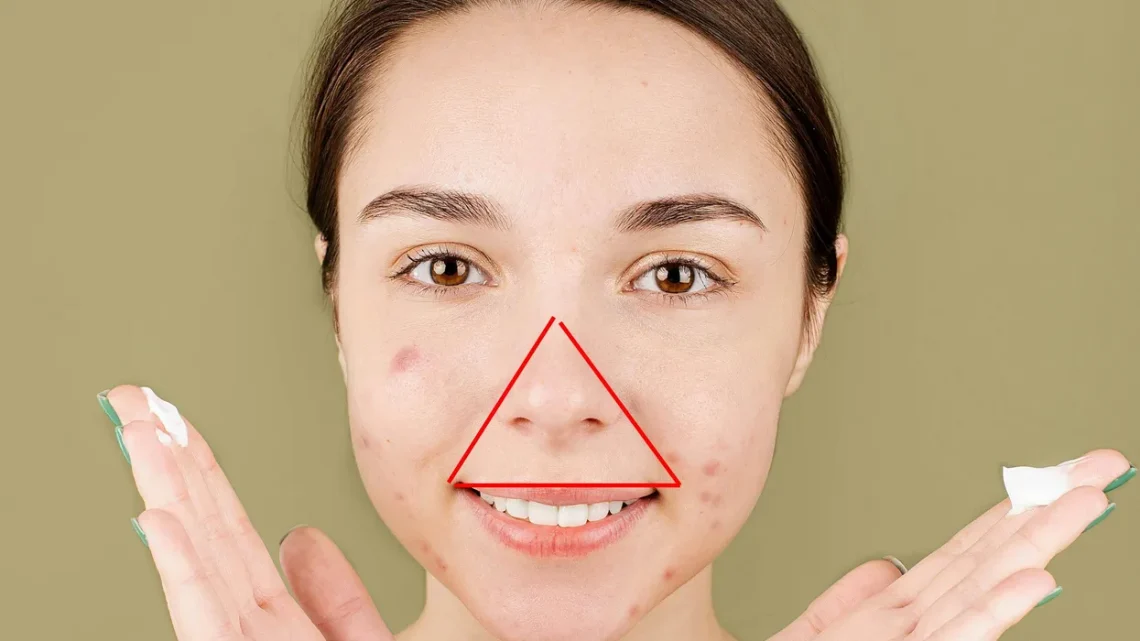
Introduction Hormonal pimples are a frustrating yet extremely common type of acne that affects both teenagers and adults. These breakouts are closely linked to fluctuations in hormones—especially androgens—which can increase oil (sebum) production and trigger inflammation. Unlike occasional pimples caused by makeup or sweat, hormonal breakouts follow predictable patterns and often return in the same areas month after month. Understanding how hormonal pimples develop, when they occur, and how to manage them can help you take control of your skin and reduce flare-ups. This article explains the hormonal cycle, common triggers, treatment options, lifestyle changes, and prevention strategies. Introduction: Why…
-
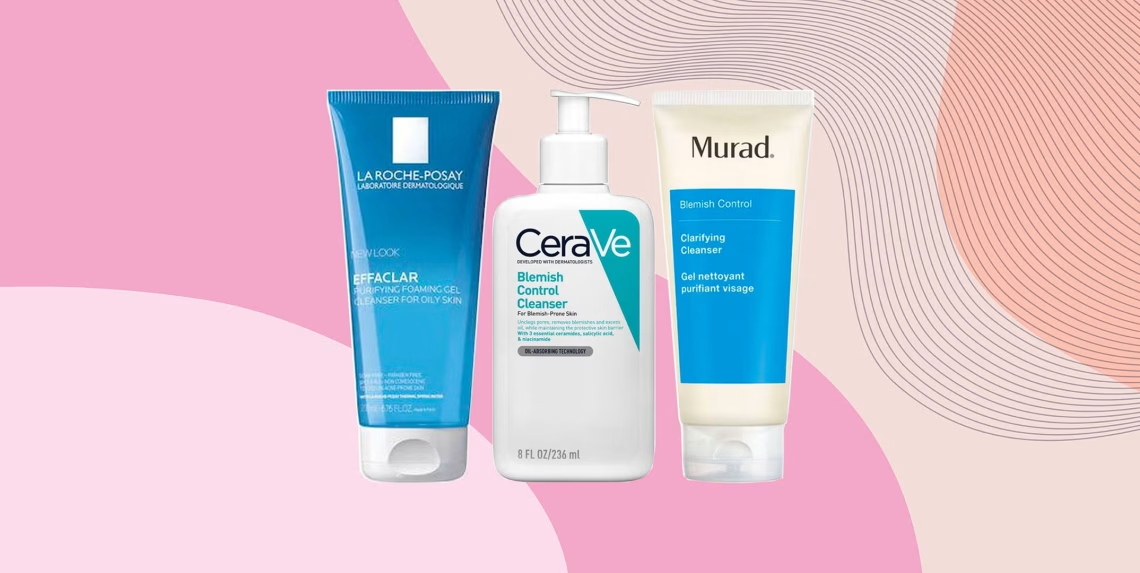
Introduction: Pimples can appear at the most inconvenient times, and while occasional breakouts are normal, the good news is that many of them can be prevented with a consistent skincare routine and smart habits. Three of the most effective preventive strategies—proper cleansing, using non-comedogenic products, and hands-off behavior—are simple yet powerful approaches that work for all skin types. This article explores why these three pillars matter, how to apply them correctly, and what mistakes to avoid for clear, healthy-looking skin. Why Prevention Matters Treating pimples after they appear can be frustrating, especially because many breakouts can be avoided in the…
-
Acne is one of the most common skin concerns worldwide, affecting people of all ages and skin types. Even individuals who generally have clear skin may experience occasional pimples due to stress, hormonal fluctuations, diet changes, or environmental triggers. When these breakouts happen, a common question arises: Should you rely on over-the-counter (OTC) products, or is it better to seek prescription treatments? Understanding the differences between OTC and prescription options can help you choose the safest, most effective approach for your skin. This article breaks down how each category works, its strengths and limitations, and factors to consider when deciding…
-
Introduction Many people are tempted to pop pimples when they appear, hoping for instant relief. While it can be tempting, popping acne often worsens inflammation, increases the risk of infection, and can lead to scarring. Understanding why dermatologists advise against it and how to safely manage pimples is essential for maintaining healthy skin. 1. Why You Should Avoid Popping Pimples A. Risk of Infection B. Inflammation and Scarring C. Delayed Healing D. Acne Spread 2. When It Might Be Safe to Pop 3. How to Pop a Pimple Safely (If You Must) Step 1: Wash Your Hands Step 2: Clean…