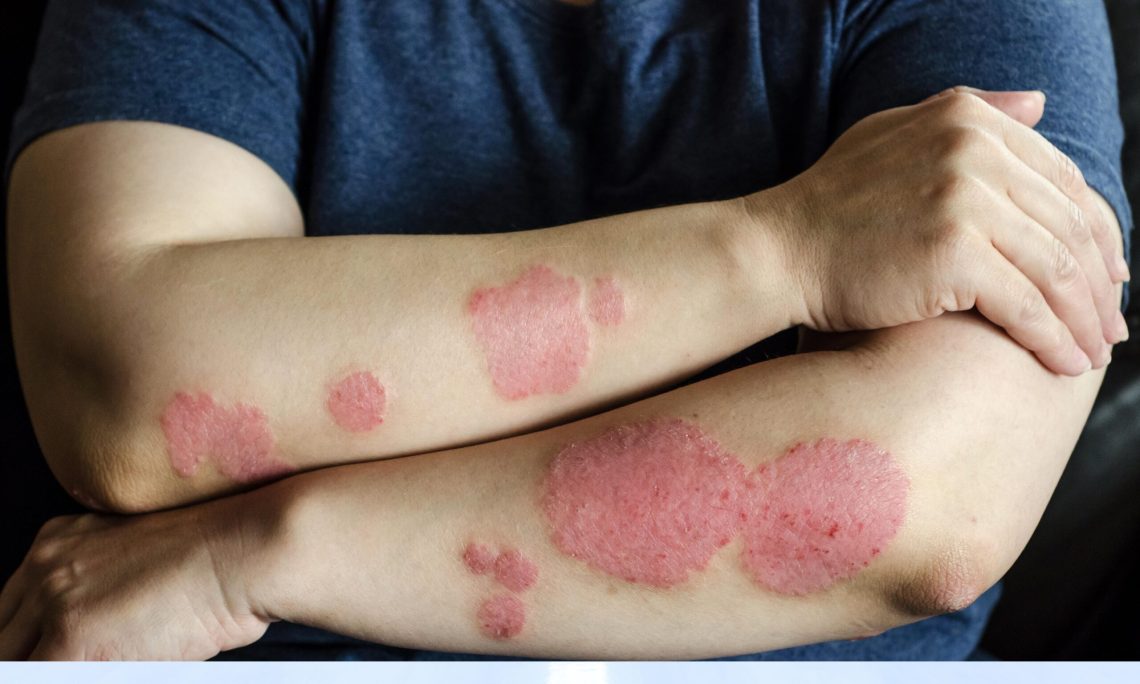
Introduction Contact dermatitis is a common skin condition that occurs when the skin reacts to direct contact with irritants or allergens. It often causes redness, itching, and blisters, and while generally not life-threatening, it can significantly impact daily comfort and quality of life. Understanding common triggers such as poison ivy, nickel, and fragrances helps prevent flare-ups and manage symptoms effectively. What is Contact Dermatitis? Contact dermatitis is divided into two main types: 1. Irritant Contact Dermatitis 2. Allergic Contact Dermatitis Common Triggers 1. Poison Ivy, Oak, or Sumac 2. Nickel 3. Fragrances and Cosmetics Identifying Your Triggers Treatment and Management…