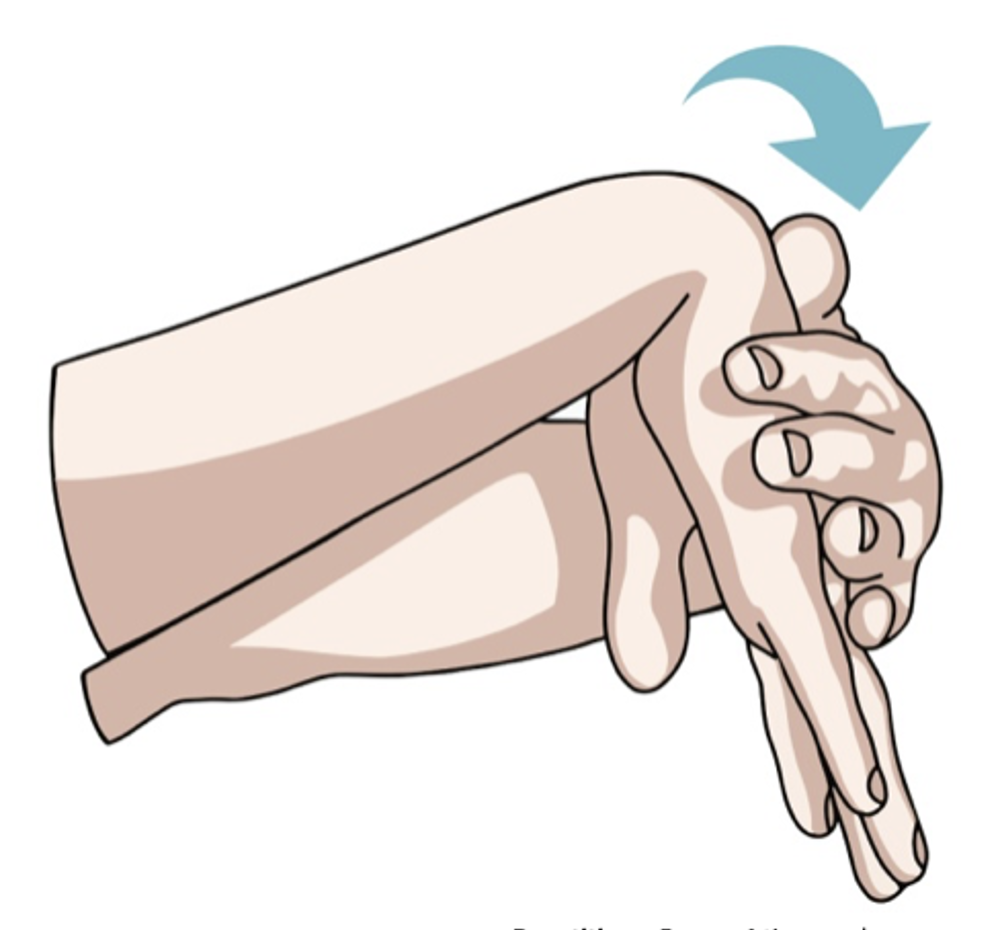
Introduction Pregnancy is often associated with well-known symptoms such as nausea, fatigue, and frequent urination. However, many women experience less common symptoms that can be surprising or uncomfortable. Nosebleeds, skin changes, and carpal tunnel syndrome are among these symptoms, caused by hormonal fluctuations, increased blood volume, and physical changes. Understanding these symptoms, why they occur, and how to manage them can help expectant mothers feel more prepared and comfortable throughout pregnancy. Nosebleeds During Pregnancy Why They Occur Managing Nosebleeds Skin Changes During Pregnancy Common Skin Changes Managing Skin Changes Carpal Tunnel Syndrome in Pregnancy Why It Happens Managing Carpal Tunnel…
-
-
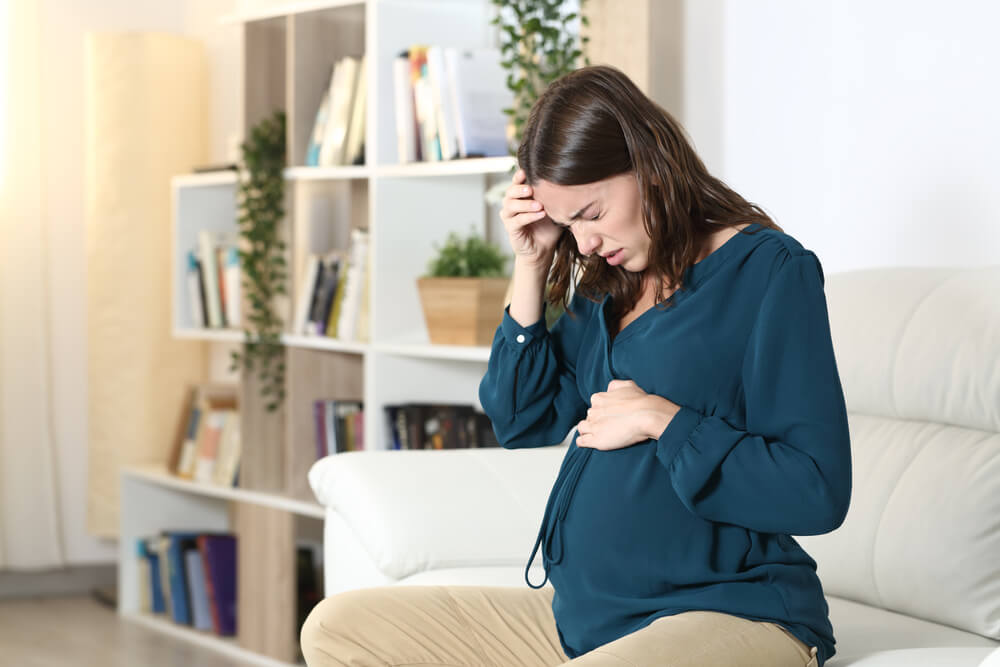
Introduction Pregnancy is a time of profound physical transformation, and it is accompanied by emotional changes and mood swings. Hormonal shifts, physical discomfort, life adjustments, and anticipation of motherhood can all influence a pregnant woman’s mood and mental well-being. While mood swings are a normal part of pregnancy, understanding them helps women manage emotions, communicate with loved ones, and seek help when needed. This article explores the causes, common patterns, coping strategies, and warning signs related to emotional changes during pregnancy. Why Emotional Changes Occur During Pregnancy 1. Hormonal Fluctuations 2. Physical Discomfort 3. Psychological Adjustments 4. Social and Environmental…
-
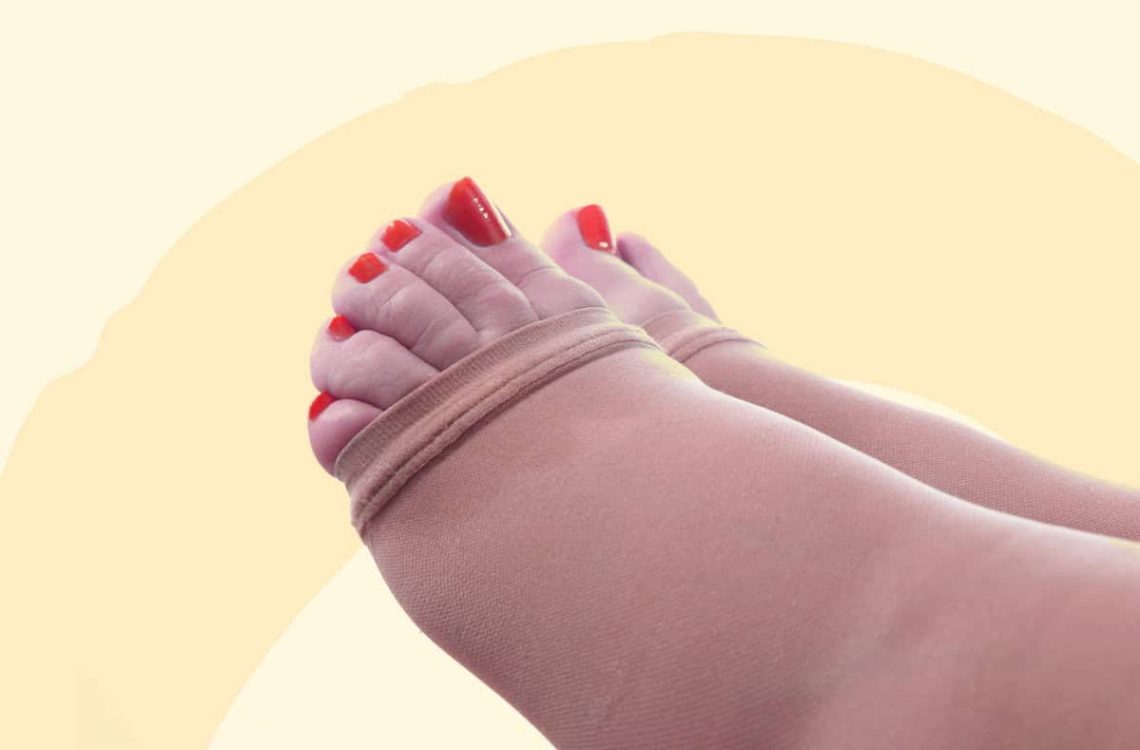
Introduction Swelling, or edema, is a common occurrence during pregnancy, especially in the feet, ankles, and hands. Hormonal changes, increased blood volume, and fluid retention contribute to this condition. While mild swelling is usually harmless, sudden or severe edema can signal underlying complications such as preeclampsia. This article explores the causes of swelling during pregnancy, normal patterns, warning signs, and strategies for relief. Why Swelling Occurs During Pregnancy 1. Increased Blood Volume 2. Hormonal Changes 3. Pressure from the Growing Uterus 4. Dietary and Lifestyle Factors When Swelling is Normal When Swelling Could Be a Concern Seek medical attention if…
-
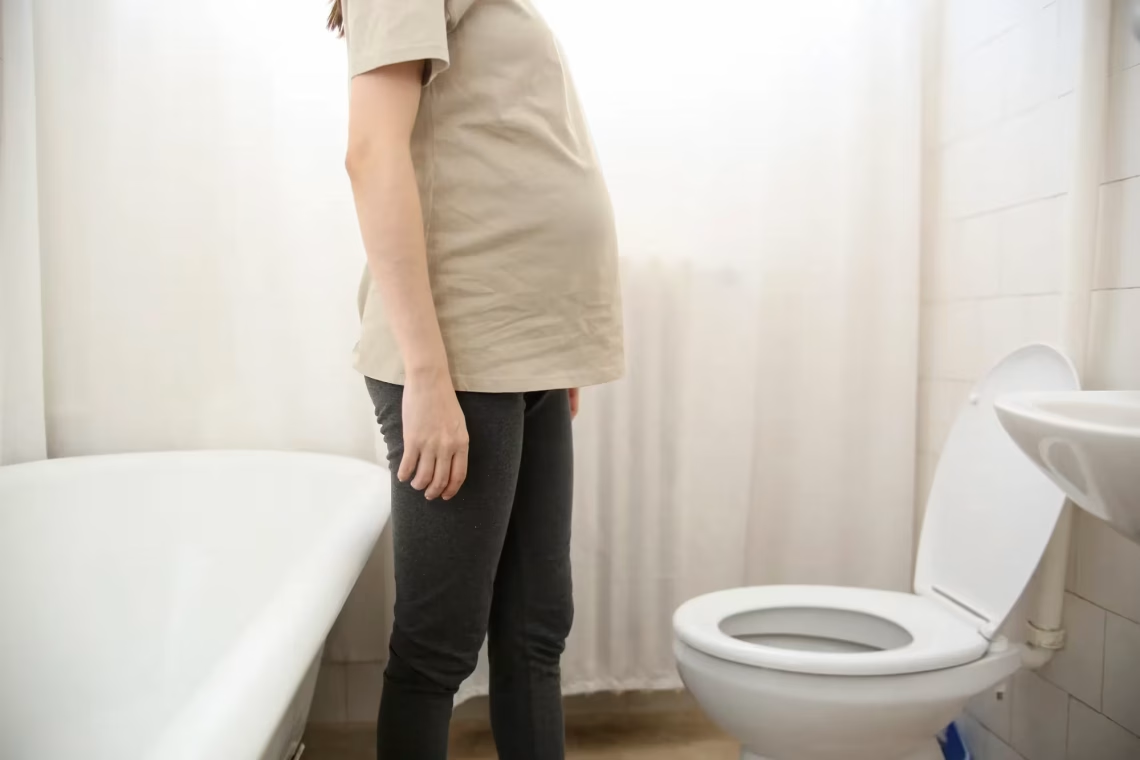
Introduction Frequent urination is a common and often early symptom of pregnancy. Many women notice an increased urge to urinate even before a missed period, which continues throughout the pregnancy in varying degrees. While usually harmless, it can disrupt daily life and sleep, making effective management strategies important. This article explains why frequent urination occurs during pregnancy and offers practical tips for managing it comfortably. Why Frequent Urination Happens During Pregnancy 1. Hormonal Changes 2. Increased Blood Volume and Kidney Function 3. Uterus Pressure on the Bladder 4. Increased Fluid Intake When Frequent Urination is a Concern While frequent urination…
-
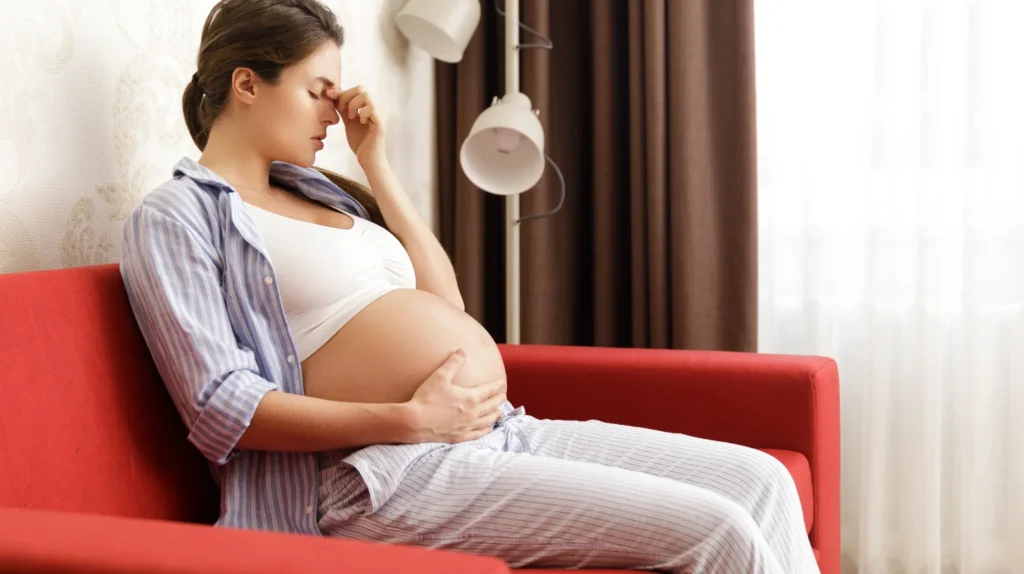
Introduction Fatigue is one of the most common complaints during pregnancy. Many women experience persistent tiredness, low energy, and sleep disturbances, particularly in the first and third trimesters. While some fatigue is a normal part of the body adjusting to pregnancy, excessive tiredness can interfere with daily activities and overall well-being. Understanding the causes of fatigue and implementing energy-boosting strategies can help pregnant women feel more comfortable and maintain a healthier lifestyle. Causes of Fatigue During Pregnancy 1. Hormonal Changes 2. Increased Blood Volume 3. Low Blood Sugar 4. Iron Deficiency and Anemia 5. Sleep Disturbances 6. Emotional and Mental…
-
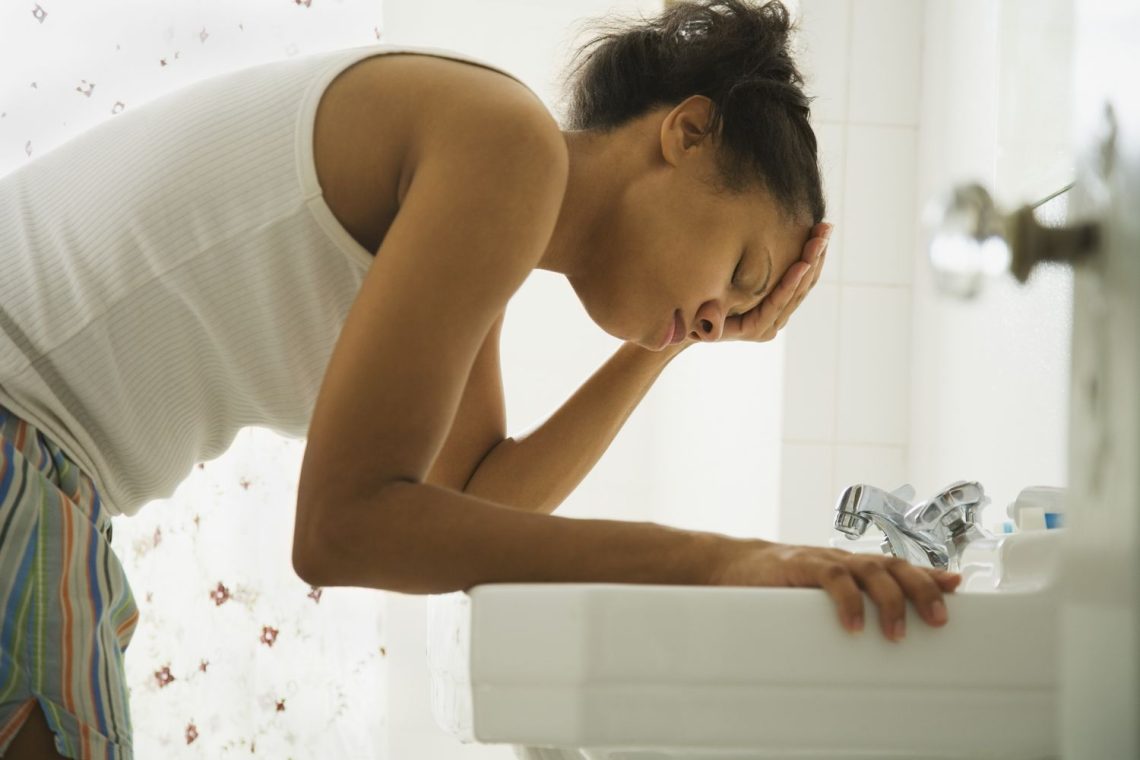
Introduction Morning sickness, characterized by nausea and vomiting, is a common experience in early pregnancy. While it often peaks during the first trimester, some women continue to experience symptoms beyond the 12th week, sometimes lasting well into the second trimester or beyond. Persistent nausea can impact nutrition, energy levels, and overall quality of life, making effective coping strategies essential. This article explores ways to manage morning sickness beyond the first trimester, including lifestyle adjustments, dietary tips, natural remedies, and medical interventions. Why Morning Sickness Can Persist Dietary and Lifestyle Strategies 1. Eat Small, Frequent Meals 2. Choose Bland, Easy-to-Digest Foods…
-
Introduction For many women, the first indication of pregnancy is a missed period, but subtle signs can appear before menstruation is delayed. Recognizing these early symptoms can help women take timely action, such as confirming pregnancy through a test and adjusting lifestyle habits. This article explores the common early pregnancy signs that may appear even before a missed period, why they happen, and how to respond. 1. Breast Changes 2. Fatigue and Increased Sleepiness 3. Nausea and Food Sensitivities 4. Mild Spotting or Implantation Bleeding 5. Frequent Urination 6. Mood Changes 7. Heightened Sense of Smell and Taste 8. Mild…
-
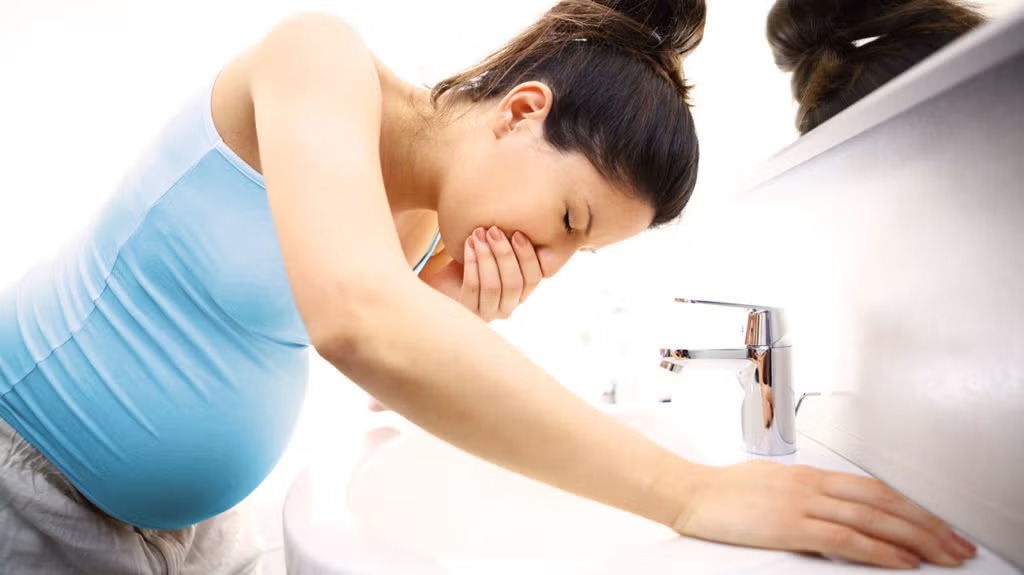
Introduction Morning sickness is a common symptom during early pregnancy, affecting up to 70–80% of pregnant women. Despite its name, it can occur at any time of the day. It typically presents as nausea with or without vomiting, most often during the first trimester. While usually mild, severe cases can lead to dehydration, weight loss, and fatigue, requiring medical attention. Effective management involves lifestyle modifications, dietary strategies, and safe remedies, allowing most women to navigate early pregnancy more comfortably. Understanding Morning Sickness Causes Morning sickness is believed to be caused by: Symptoms Lifestyle and Home Management 1. Dietary Adjustments 2.…
-
Introduction Nausea and vomiting are common symptoms that can range from mild discomfort to severe illness. They are not diseases themselves but manifestations of underlying conditions. While occasional nausea is often harmless, persistent or severe vomiting can lead to dehydration, electrolyte imbalance, and serious complications. Understanding the common causes, such as infections, pregnancy, and migraines, can help in timely management and prevention. Infections: Gastroenteritis and Systemic Illnesses 1. Gastroenteritis 2. Foodborne Illness 3. Systemic Infections Pregnancy-Related Nausea and Vomiting 1. Morning Sickness 2. Hyperemesis Gravidarum Management Tips During Pregnancy Migraines and Nausea 1. Migraine-Associated Nausea 2. Management Other Common Causes…
-
Introduction Hemorrhoids—swollen veins in the lower rectum and anus—are a common discomfort during pregnancy and the postpartum period. Hormonal changes, increased pressure on pelvic veins, and bowel irregularities make pregnant women and new mothers particularly prone to developing hemorrhoids. While usually not dangerous, hemorrhoids can cause pain, itching, and bleeding, impacting quality of life during a time that should be joyful. This article explores the causes of hemorrhoids during pregnancy and after childbirth, symptoms to watch for, prevention strategies, and safe relief options tailored to expectant and new mothers. Why Are Hemorrhoids Common During Pregnancy? Pregnancy creates several physiological changes…