Introduction Snoring occurs when airflow through the airway causes vibration of soft tissues in the throat. While factors like obesity, nasal congestion, alcohol, and sleep position play a role, weak or flabby throat and tongue muscles are a major contributor to snoring. Strengthening these muscles can improve airway stability, reduce vibration, and promote quieter sleep. This article explores the science behind tongue and throat exercises, specific techniques to try, and how regular practice can help reduce snoring. How Tongue and Throat Muscles Affect Snoring 1. Muscle Weakness and Airway Collapse 2. Benefits of Muscle Training Effective Tongue and Throat Exercises…

-
-
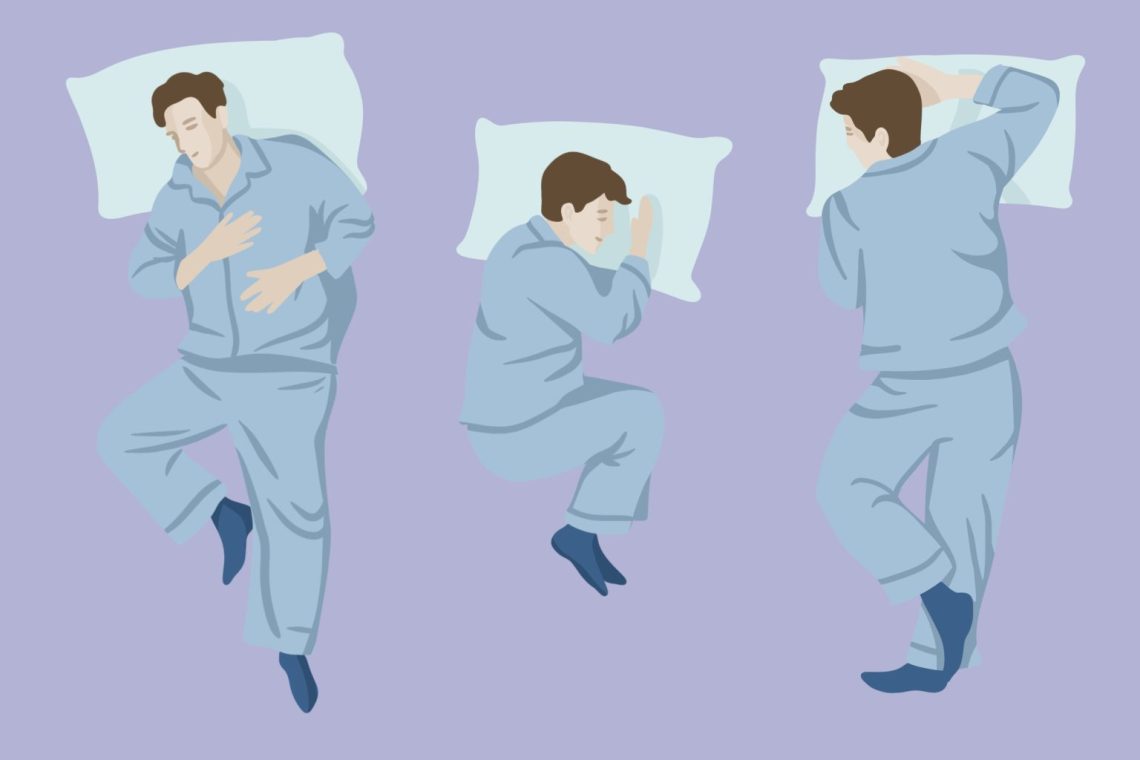
Introduction Snoring is a common sleep disturbance affecting millions of people worldwide. While often viewed as a harmless annoyance, persistent snoring can disrupt sleep quality, strain relationships, and sometimes signal underlying issues such as obstructive sleep apnea (OSA). One of the simplest and most effective behavioral strategies for managing snoring is positional therapy—a method that encourages sleeping on the side rather than on the back. This approach can significantly minimize airway obstruction, reduce vibration in the throat, and promote smoother breathing during sleep. This article explores why sleeping position matters, how positional therapy works, who can benefit from it, and…