• Blog - Health Issues - Prevention & Wellness

    RSV Season: Timing and Preparedness

    Introduction Respiratory Syncytial Virus (RSV) is a highly contagious virus that primarily affects the respiratory system. It is a major cause of hospitalization in infants, young children, and older adults, particularly those with underlying health conditions. RSV infections often occur in seasonal patterns, making it important for families and healthcare providers to understand when RSV season occurs and how to prepare for it. Proper timing of preventive measures and awareness of high-risk periods can significantly reduce severe illness. 1. When Does RSV Season Occur? RSV season varies by geographic location and climate: Understanding local RSV season trends helps caregivers and…
  • Blog - Diseases & Conditions - Health Issues

    Long-Term Effects of Severe RSV in Infancy

    Introduction Respiratory Syncytial Virus (RSV) is a common cause of lower respiratory tract infections in infants and young children. While most RSV infections are mild, severe cases in infancy, especially those requiring hospitalization, can have long-term consequences. Understanding these potential effects is crucial for parents, caregivers, and healthcare providers to monitor development, manage ongoing health issues, and reduce future complications. 1. Impact on the Respiratory System Bronchial Hyperreactivity and Asthma Risk Chronic Lung Issues 2. Increased Susceptibility to Future Respiratory Infections 3. Hospitalization and Intensive Care Impact 4. Developmental and Immune System Considerations Growth and Nutrition Immune System Sensitization 5.…

  • Blog - Prevention & Wellness

    How RSV Spreads and Prevention Tips (Especially Around Babies)

    Introduction Respiratory Syncytial Virus (RSV) is a highly contagious virus that primarily affects the respiratory tract. While it often causes mild cold-like symptoms in older children and adults, RSV can be serious for infants, especially those under 6 months, premature babies, and children with underlying health conditions. Understanding how RSV spreads and taking proactive preventive measures is key to protecting vulnerable infants and reducing the risk of severe illness. 1. How RSV Spreads RSV spreads easily from person to person through direct contact, respiratory droplets, and contaminated surfaces. Common Modes of Transmission: Who Can Spread RSV? 2. Why Babies Are…

  • Blog - Diseases & Conditions - Health Issues

    RSV in High-Risk Groups (Premature Babies, Heart/Lung Conditions)

    Introduction Respiratory Syncytial Virus (RSV) is a common viral infection that primarily affects the respiratory tract. While most healthy children experience mild cold-like symptoms, certain high-risk groups are more vulnerable to severe RSV infections. These include premature infants and children with chronic heart or lung conditions. In these populations, RSV can lead to hospitalization, breathing difficulties, and serious complications, making early recognition and preventive strategies essential. 1. Why High-Risk Groups Are Vulnerable Premature Infants Children with Heart or Lung Conditions 2. Symptoms of RSV in High-Risk Children High-risk infants and children may show typical RSV symptoms plus more severe manifestations:…

  • Blog - Diseases & Conditions - Health Issues

    When RSV Requires Hospitalization: Recognizing Severe Symptoms

    Introduction Respiratory Syncytial Virus (RSV) is a common viral infection that primarily affects the respiratory system. While many cases in infants, toddlers, and older adults are mild and manageable at home, RSV can become severe, particularly in young infants, premature babies, older adults, or those with chronic health conditions. Recognizing the warning signs of severe RSV infection is crucial for timely medical intervention and preventing complications such as respiratory distress, pneumonia, or dehydration. 1. Who is at Higher Risk for Severe RSV Certain groups are more likely to develop severe RSV illness requiring hospitalization: High-risk individuals should be monitored closely…

  • Blog - Diseases & Conditions - Health Issues

    Caring for a Child with RSV at Home: Hydration, Suctioning, Monitoring

    Introduction Respiratory Syncytial Virus (RSV) is a common viral infection in infants and young children, often causing cold-like symptoms such as runny nose, cough, and mild fever. While most cases are mild and manageable at home, RSV can sometimes lead to lower respiratory tract infections like bronchiolitis, particularly in infants under 6 months or children with underlying health conditions. Proper home care focuses on maintaining hydration, clearing nasal passages, and monitoring symptoms for signs of deterioration. Early attention can prevent complications and reduce the need for hospitalization. 1. Hydration Maintaining adequate fluid intake is crucial because RSV can cause reduced…

  • Blog - Diseases & Conditions

    RSV Prevention Antibody (Beyfortus) for Infants

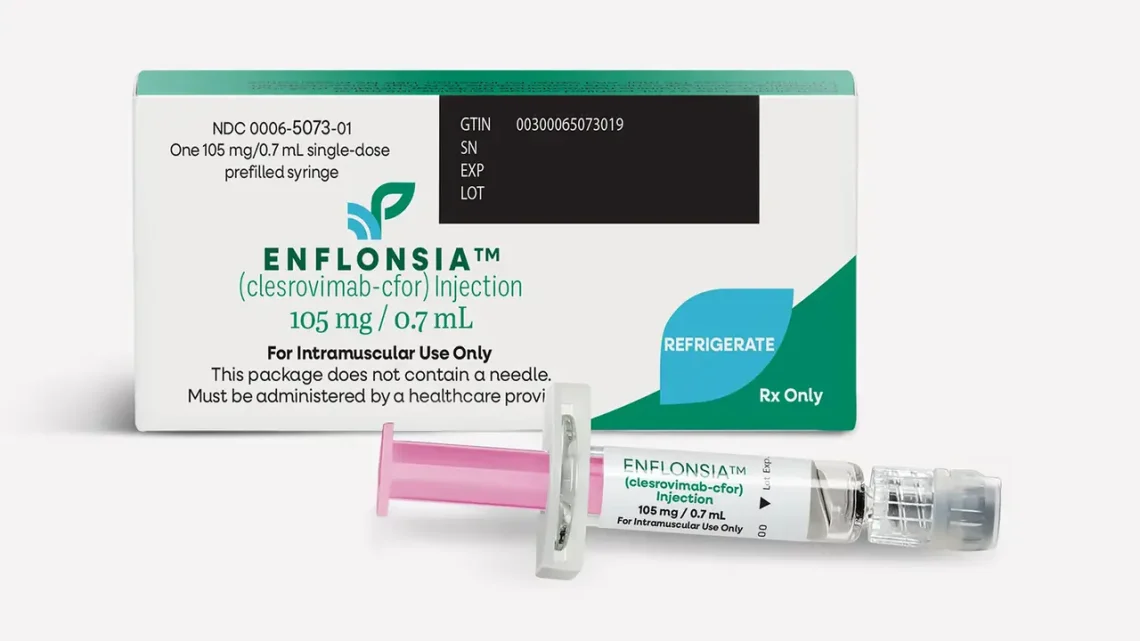
    Introduction Respiratory Syncytial Virus (RSV) is a leading cause of severe respiratory illness in infants and young children. Each year, RSV leads to numerous hospitalizations worldwide, especially in babies under 6 months of age. While vaccines for older adults and pregnant women help protect some populations, infants themselves can now be directly protected through Beyfortus (nirsevimab), a monoclonal antibody specifically designed for RSV prevention. Beyfortus represents a major advance in infant care, offering passive immunity during the first months of life, when babies are most vulnerable to severe RSV complications. What is Beyfortus? Beyfortus is a long-acting monoclonal antibody that…

  • Blog - Diseases & Conditions - Health Issues

    New RSV Vaccines for Older Adults and Pregnant Women

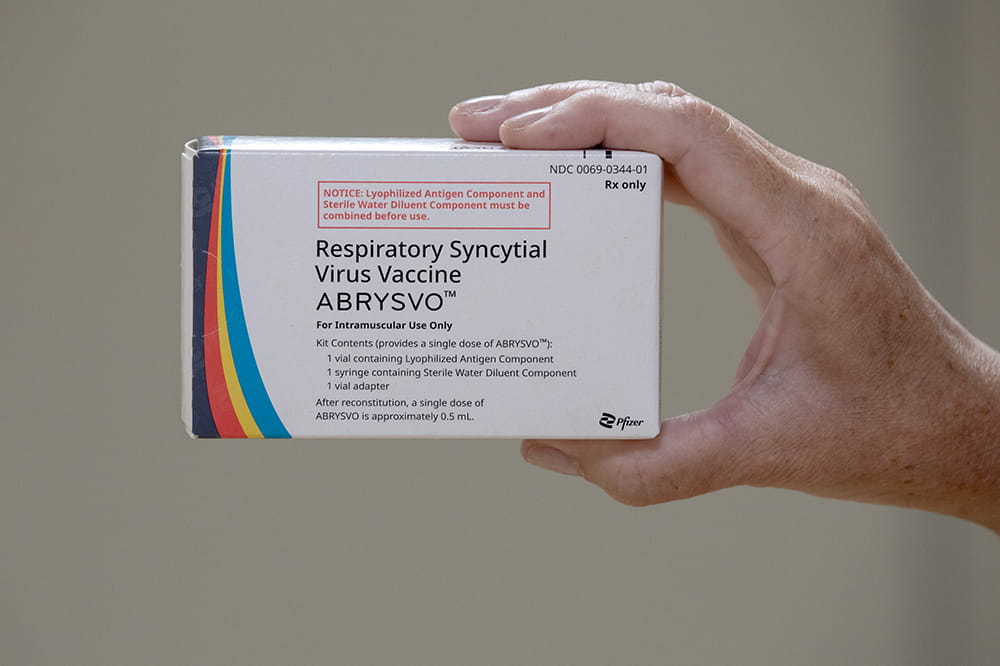
    Introduction Respiratory Syncytial Virus (RSV) is a contagious respiratory virus that can cause severe illness in vulnerable populations, including older adults, infants, and pregnant women. RSV is a leading cause of hospitalization in older adults and can lead to serious complications such as pneumonia or bronchitis. For infants, RSV infection during the first months of life can be particularly dangerous. In recent years, new vaccines have been developed to protect high-risk groups from RSV. Specifically, vaccines for older adults and pregnant women have been approved, offering a powerful preventive tool to reduce severe illness and hospitalizations. This article provides an…

  • Blog - Diseases & Conditions - Health Issues

    RSV vs. Cold vs. Flu: Spotting the Differences

    Introduction Respiratory illnesses such as Respiratory Syncytial Virus (RSV), the common cold, and influenza (flu) often share similar symptoms, making it challenging to identify which infection you—or your child—may have. Understanding the key differences in symptoms, severity, and onset can help in seeking timely care, preventing complications, and protecting others from infection. 1. Respiratory Syncytial Virus (RSV) Overview RSV is a viral infection that primarily affects the respiratory tract. It is most concerning in infants, young children, older adults, and immunocompromised individuals. Common Symptoms Onset and Duration Severity 2. Common Cold Overview The cold is caused by various viruses, most…

  • Blog - Diseases & Conditions - Health Issues

    RSV Symptoms in Infants, Toddlers, and Adults

    Introduction Respiratory Syncytial Virus (RSV) is a common viral infection that affects the respiratory tract. While RSV can infect people of all ages, its severity and symptoms vary depending on age and immune status. Infants, young children, older adults, and people with weakened immune systems are at higher risk of complications. Recognizing the symptoms early helps in seeking appropriate care and reducing the risk of severe illness. RSV Symptoms in Infants Infants, especially those under 6 months, are particularly vulnerable to RSV infection. Symptoms may be subtle at first but can progress rapidly. Common Symptoms Severe Symptoms Requiring Immediate Medical…