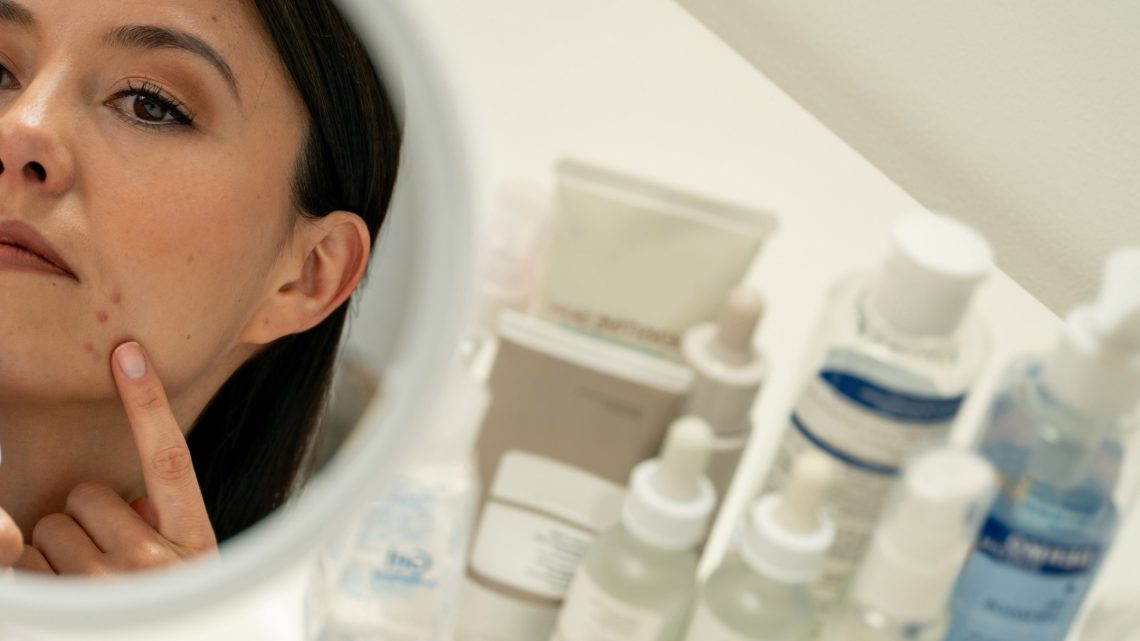
Introduction Acne is often seen as a simple skin problem, but at its core, it is deeply influenced by hormonal activity. Whether you’re a teenager going through puberty or an adult dealing with breakouts in your 30s or 40s, hormones play a major role in triggering, worsening, and sustaining acne. Understanding how hormones affect the skin helps explain why acne becomes chronic in some people and why certain treatments—especially hormonal therapies—work so effectively. This article explores how hormones contribute to acne, why hormonal acne is so common, and the treatment options that target these internal imbalances. How Hormones Contribute to…
-
-
Introduction Acne is a common skin condition, but for many, its aftereffects linger long after active breakouts have faded. Acne scarring can impact confidence, texture, and skin tone, making the skin appear uneven or pitted. Understanding how scars form—and the wide range of treatments available today—can help you make informed decisions about prevention and correction.This comprehensive guide covers the types of acne scars, how to prevent them, and the most effective professional and at-home treatment options. What Causes Acne Scarring? Acne scarring occurs when inflammation damages the skin’s deeper layers. The healing process triggers collagen production, but if too much…
-
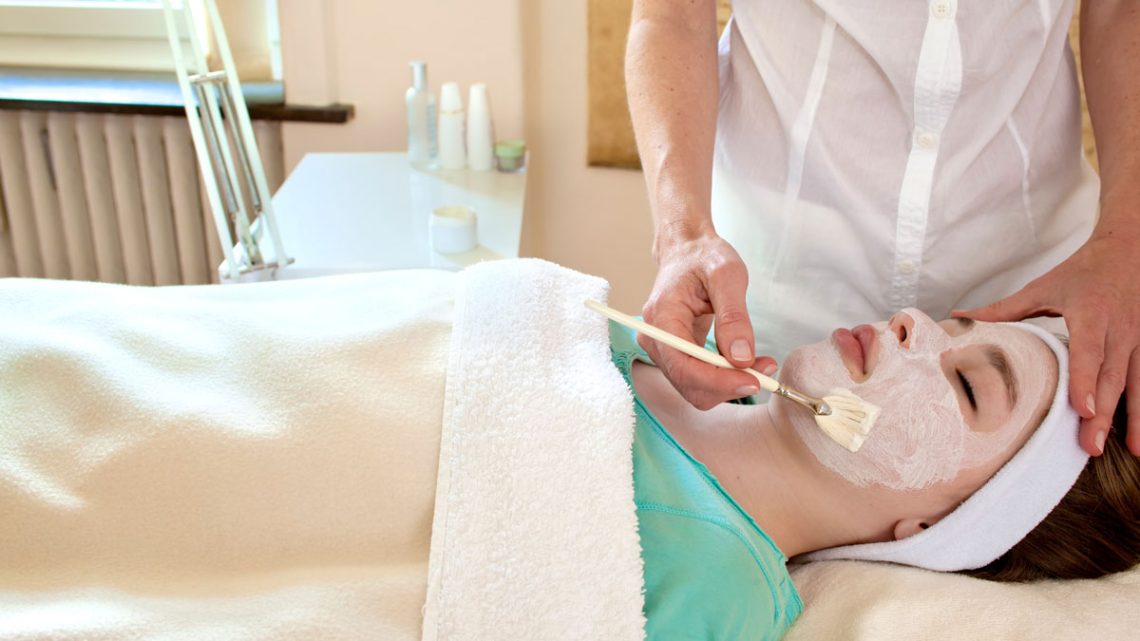
Introduction While topical products and oral medications form the foundation of acne treatment, professional in-clinic procedures can significantly enhance results—especially for stubborn, moderate, or persistent acne. Dermatologists and licensed estheticians offer targeted therapies that help reduce breakouts, unclog pores, minimize inflammation, and improve skin texture.This article explores the three most effective professional acne treatments: chemical peels, laser therapy, and extractions. Understanding how each works, who they’re suitable for, and what results to expect can help you choose the best treatment for your skin. Why Professional Acne Treatments Matter Professional treatments offer benefits that at-home skincare cannot achieve: They are especially…
-
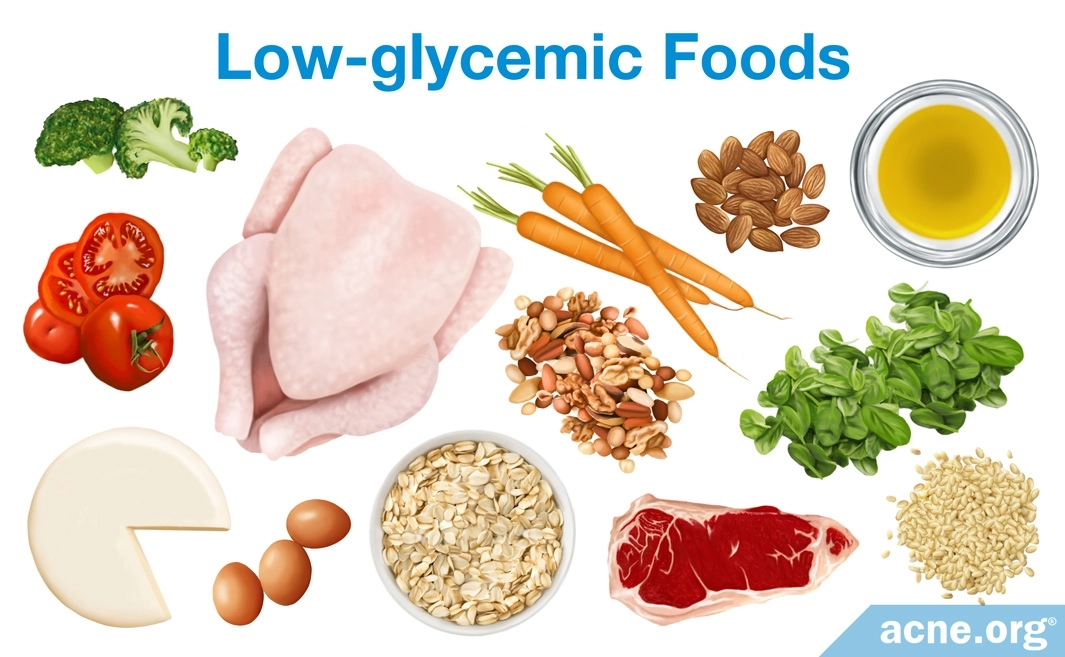
Introduction For years, dermatologists believed diet and acne had little connection. Today, a growing body of scientific research shows that certain foods—especially those high in sugar, dairy products, and high-glycemic (fast-digesting) carbohydrates—may influence acne severity.Food alone doesn’t cause acne, but it can worsen or trigger breakouts in people who are genetically or hormonally prone. Understanding how diet affects skin inflammation, hormones, and oil production can empower you to make choices that support clearer skin.This article explores the evidence behind the main dietary factors linked to acne and offers practical recommendations. What Is the Link Between Diet and Acne? Acne is…
-
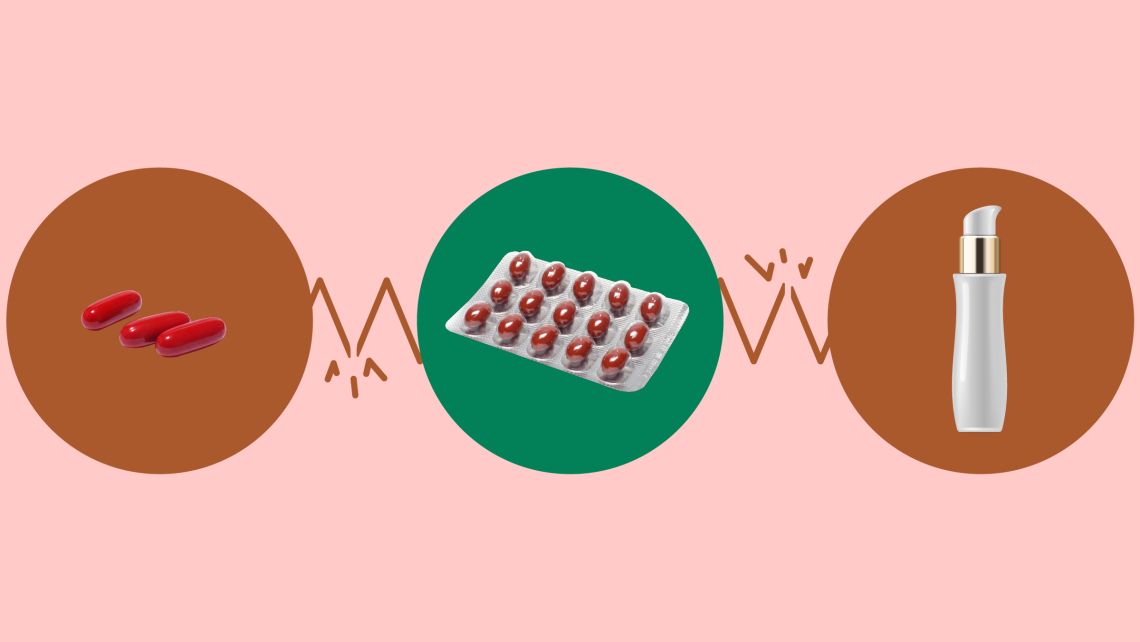
Introduction For many people, topical treatments alone are not enough to control moderate to severe acne. When breakouts are persistent, painful, widespread, or cause scarring, dermatologists often turn to oral prescription medications. These systemic treatments work from the inside out to reduce inflammation, regulate hormones, control bacteria, and shrink oil glands.The most commonly used oral medications include antibiotics, birth control pills, and isotretinoin (Accutane). Each targets acne differently and is recommended for specific situations.This comprehensive guide explains how each medication works, who needs it, how long treatment lasts, possible side effects, and when to consult a dermatologist. Why Oral Medications…
-
Introduction Topical retinoids are among the most effective and dermatologist-recommended treatments for acne. They are derived from vitamin A and work by targeting several root causes of acne—clogged pores, inflammation, and irregular skin cell turnover. Whether you struggle with blackheads, whiteheads, or recurring breakouts, topical retinoids can be a game-changer when used correctly.This article explores how retinoids work, the different types available, how to apply them safely, potential side effects, and tips for getting maximum results with minimal irritation. What Are Topical Retinoids? Topical retinoids are vitamin A derivatives used in skincare to increase cell turnover and prevent clogged pores.…
-
Overview Petrolatum, commonly known as petroleum jelly, is a semi-solid mixture derived from refined petroleum. It is widely used in skincare, medicine, and industrial applications due to its excellent moisturizing and protective properties. This article explores its uses, benefits, potential side effects, dosage guidelines, and more. What is Petrolatum? is a thick, odorless, and hydrophobic substance that forms a protective barrier on the skin. It is composed of mineral oils and waxes, making it an effective occlusive agent that locks in moisture. Common brands include Vaseline, Aquaphor, and generic petroleum jelly products. How Petrolatum Works Petrolatum works by forming a…
-
Introduction: Harsh winds, low temperatures, and indoor heating can take a toll, leaving our skin dry and our hair brittle. Instead of relying solely on commercial products, why not explore the world of homemade winter beauty treatments? The effectiveness of homemade winter beauty treatments can vary depending on the individual, the specific recipes used, and the consistency of application. However, many people find that homemade treatments can be highly effective for several reasons: Homemade Winter Beauty Treatments: 1. Hydrating Face Masks: 2. Moisturizing Body Scrubs: 3. Nourishing Hair Masks: 4. Healing Lip Balms: 5. Soothing Bath Salts: 6. Herbal Infusions…
-
Introduction: Eczema, also known as atopic dermatitis, is a chronic skin condition characterized by inflammation, dryness, itching, and irritation of the skin. Hot weather can exacerbate eczema symptoms due to increased sweating, humidity, and exposure to sun and heat. Understanding eczema triggers and implementing a tailored skin care regimen are essential for managing flare-ups and maintaining skin health during hot weather. Eczema Triggers: Dry Skin: Dry skin is a common trigger for eczema flare-ups, as it can lead to increased itching, irritation, and inflammation. Hot weather can further dehydrate the skin, exacerbating dryness and worsening eczema symptoms. Heat…