Introduction Snoring occurs when airflow through the airway causes vibration of soft tissues in the throat. While factors like obesity, nasal congestion, alcohol, and sleep position play a role, weak or flabby throat and tongue muscles are a major contributor to snoring. Strengthening these muscles can improve airway stability, reduce vibration, and promote quieter sleep. This article explores the science behind tongue and throat exercises, specific techniques to try, and how regular practice can help reduce snoring. How Tongue and Throat Muscles Affect Snoring 1. Muscle Weakness and Airway Collapse 2. Benefits of Muscle Training Effective Tongue and Throat Exercises…

-
-
Introduction Snoring is often dismissed as a minor annoyance, but it can sometimes be a sign of a more serious condition: obstructive sleep apnea (OSA). Sleep apnea occurs when the airway becomes partially or completely blocked during sleep, leading to interrupted breathing, low oxygen levels, and fragmented sleep. While not all snorers have sleep apnea, loud, frequent snoring is one of the most common warning signs. Understanding the link between snoring and sleep apnea—and knowing when to get tested—is crucial for long-term health and well-being. This article explores the connection between snoring and sleep apnea, key symptoms, risk factors, and…
-
Introduction Snoring is a common sleep concern that can disturb both the snorer and their bed partner. Many people look for quick solutions to reduce snoring, and over-the-counter products like nasal strips, nasal dilators, and nasal sprays are popular choices. These products aim to improve airflow through the nose and reduce vibrations in the throat that cause snoring. But do they actually work, and who benefits most from them? This article explores the science behind these nasal aids, how they function, their effectiveness, and how to incorporate them into a comprehensive snoring management plan. Understanding Snoring and Nasal Resistance Snoring…
-
Introduction Snoring is one of the most common sleep complaints worldwide, affecting both the person who snores and the people who share their sleeping environment. While snoring can occur for many reasons—such as nasal congestion, sleep position, or anatomy—excess weight is one of the most influential and modifiable factors. Even a modest amount of weight loss can significantly reduce snoring frequency, loudness, and severity. This article explains how weight affects the airway, why even small changes make a big difference, and how weight loss can improve not only snoring but also overall sleep quality and long-term health. Understanding the Link…
-
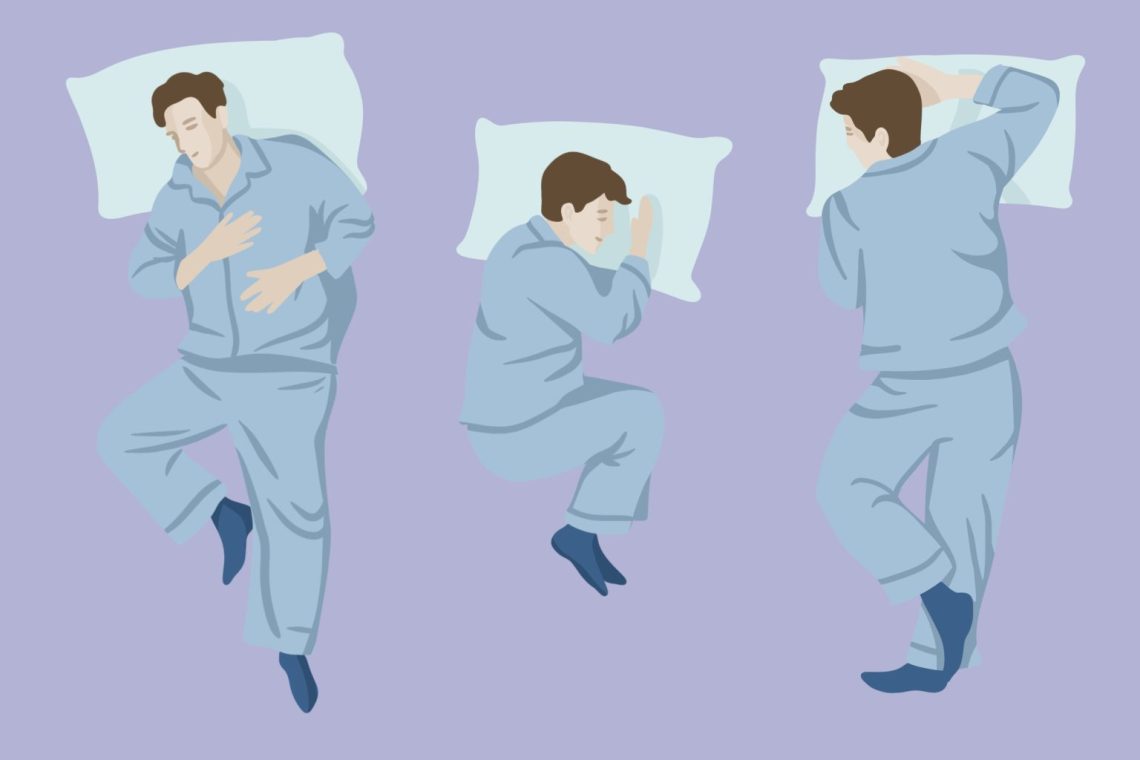
Introduction Snoring is a common sleep disturbance affecting millions of people worldwide. While often viewed as a harmless annoyance, persistent snoring can disrupt sleep quality, strain relationships, and sometimes signal underlying issues such as obstructive sleep apnea (OSA). One of the simplest and most effective behavioral strategies for managing snoring is positional therapy—a method that encourages sleeping on the side rather than on the back. This approach can significantly minimize airway obstruction, reduce vibration in the throat, and promote smoother breathing during sleep. This article explores why sleeping position matters, how positional therapy works, who can benefit from it, and…