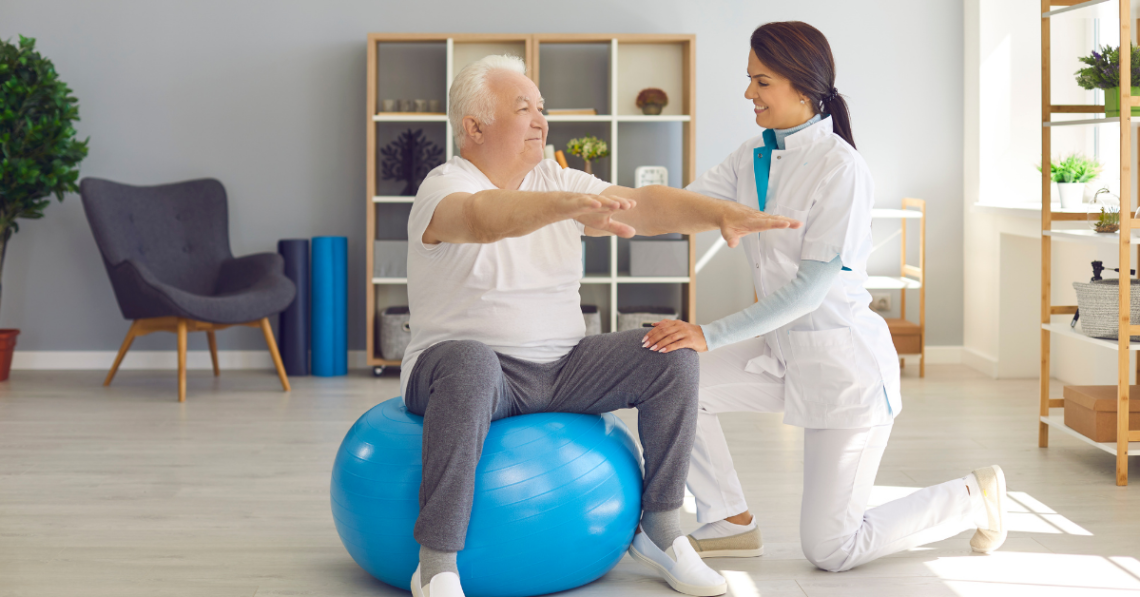
Introduction Stroke rehabilitation is a critical phase in the recovery process, aimed at helping survivors regain as much independence and quality of life as possible. Since strokes often impair movement, communication, and daily functioning, a multidisciplinary approach involving physical therapy, occupational therapy, and speech therapy is essential. This article explores these key therapies, their goals, methods, and benefits in supporting stroke survivors. Physical Therapy (PT) Purpose Physical therapy focuses on restoring mobility, strength, balance, and coordination. It addresses muscle weakness or paralysis caused by brain damage and helps prevent complications like joint stiffness and muscle contractures. Common Interventions Benefits Occupational…