• Blog - Diseases & Conditions - Resources & Tools

    Caregiver Support for Stroke Survivors

    Introduction Caring for a stroke survivor can be a rewarding yet demanding role. Stroke often results in physical disabilities, communication difficulties, cognitive changes, and emotional challenges, all of which require comprehensive support. Caregivers are central to recovery and quality of life, but also face significant stress and risk of burnout. This article explores the critical aspects of caregiver support, including understanding the survivor’s needs, managing care, emotional well-being, and accessing resources. Understanding the Role of a Caregiver Caregivers assist with: Challenges Faced by Caregivers Practical Tips for Caregivers A. Self-Care and Stress Management B. Education and Skills Development C. Creating…


  • Blog - Diseases & Conditions

    Aphasia After Stroke: Understanding Communication Challenges

    Introduction Aphasia is a language disorder that commonly occurs after a stroke and can severely impact a person’s ability to communicate effectively. It affects speaking, understanding spoken and written language, reading, and writing, which can drastically affect personal relationships, social interactions, and overall quality of life. Approximately 25-40% of stroke survivors experience aphasia. This article explores the causes, types, symptoms, diagnosis, treatment options, challenges, and ways to support individuals living with aphasia. What is Aphasia? Aphasia is an acquired communication disorder resulting from damage to the parts of the brain that control language. It is not a problem with intelligence,…

  • Blog - Diseases & Conditions - Health Issues

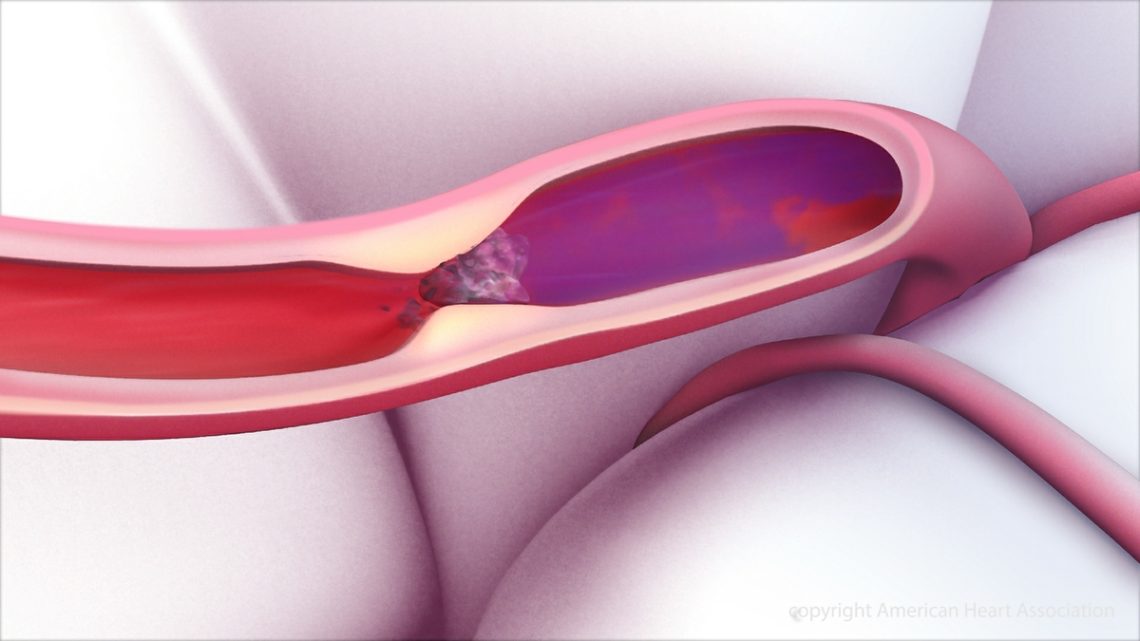
    The Role of Clot-Busting Drugs (tPA) and Thrombectomy

    Introduction Stroke is a leading cause of disability and death worldwide. Prompt restoration of blood flow to the brain is critical in ischemic stroke, the most common type of stroke caused by a blood clot blocking a brain artery. Two highly effective treatments—clot-busting drugs (thrombolytics) and mechanical thrombectomy—have revolutionized stroke care by reopening blocked vessels and improving patient outcomes. This article explains how these treatments work, when they are used, and their importance in saving brain tissue. Clot-Busting Drugs: Tissue Plasminogen Activator (tPA) What is tPA? tPA is a medication that dissolves blood clots by activating plasminogen, an enzyme that…

  • Blog - Diseases & Conditions

    Stroke in Young Adults: Causes and Awareness

    Introduction While stroke is often associated with older adults, an increasing number of young adults—those aged 18 to 45—are experiencing strokes. This alarming trend highlights the need for greater awareness about stroke risk factors, symptoms, and prevention in younger populations. Understanding why strokes occur in young adults and recognizing early signs can lead to timely treatment and better outcomes. Causes of Stroke in Young Adults Stroke in young adults can have different causes than in older populations, often involving a combination of traditional and unique risk factors. Common Causes Less Common Causes Symptoms to Recognize Stroke symptoms in young adults…

  • Blog - Diseases & Conditions - Health Issues

    Reducing Stroke Risk: Controlling Blood Pressure, Cholesterol, AFib

    Introduction Stroke is a leading cause of death and long-term disability worldwide. Fortunately, many strokes can be prevented by managing key risk factors such as high blood pressure, elevated cholesterol, and atrial fibrillation (AFib). Understanding how these factors contribute to stroke and learning effective control strategies is vital for reducing your risk and protecting brain health. The Role of Blood Pressure in Stroke Risk Why Blood Pressure Matters High blood pressure (hypertension) is the single most important modifiable risk factor for both ischemic and hemorrhagic strokes. Elevated pressure damages artery walls, accelerates atherosclerosis, and increases the risk of vessel rupture.…

  • Blog - Diseases & Conditions

    Life After Stroke: Managing Recovery, Emotions, and Independence

    Introduction Surviving a stroke marks the beginning of a new chapter filled with challenges and opportunities. Life after stroke involves not only physical recovery but also coping with emotional changes and regaining independence. A holistic approach that addresses these aspects is vital for a fulfilling, productive life. This article explores strategies to manage recovery, emotional well-being, and independence after a stroke. Managing Physical Recovery Ongoing Rehabilitation Healthy Lifestyle Choices Preventing Complications Addressing Emotional and Psychological Well-being Common Emotional Challenges Coping Strategies Regaining and Maintaining Independence Adaptive Strategies Skill Development Building a Support System Planning for the Future Conclusion Life after…

  • Blog - Fitness & Exercise

    Stroke Rehabilitation: Physical, Occupational, and Speech Therapy

    Introduction Stroke rehabilitation is a critical phase in the recovery process, aimed at helping survivors regain as much independence and quality of life as possible. Since strokes often impair movement, communication, and daily functioning, a multidisciplinary approach involving physical therapy, occupational therapy, and speech therapy is essential. This article explores these key therapies, their goals, methods, and benefits in supporting stroke survivors. Physical Therapy (PT) Purpose Physical therapy focuses on restoring mobility, strength, balance, and coordination. It addresses muscle weakness or paralysis caused by brain damage and helps prevent complications like joint stiffness and muscle contractures. Common Interventions Benefits Occupational…

  • Blog - Diseases & Conditions

    TIA (Mini-Stroke): A Critical Warning Sign – Don’t Ignore It

    Introduction A Transient Ischemic Attack (TIA), commonly called a “mini-stroke,” is a temporary episode of neurological dysfunction caused by a brief interruption in blood flow to the brain. Although TIAs do not cause permanent damage, they are serious warning signs indicating a high risk of a future full-blown stroke. Recognizing and promptly addressing TIAs is crucial to prevent potentially devastating consequences. What is a TIA? A TIA occurs when a blood clot or other blockage temporarily disrupts blood flow to a part of the brain. Unlike a stroke, the blockage resolves quickly—usually within minutes to an hour—so symptoms are transient…

  • Blog - Diseases & Conditions

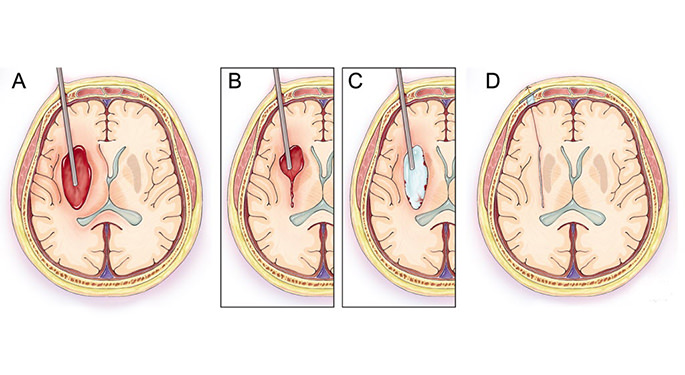
    Ischemic vs. Hemorrhagic Stroke: Causes and Treatments

    Introduction A stroke is a life-threatening medical emergency caused by disruption of blood flow to the brain. This interruption starves brain cells of oxygen and nutrients, leading to tissue damage or death. Strokes are broadly classified into two main types: ischemic stroke, caused by a blockage of blood vessels, and hemorrhagic stroke, caused by bleeding into or around the brain. While both types share some symptoms, their causes, diagnostic pathways, and treatments differ significantly. Understanding these differences is crucial for timely and effective intervention. 1. Ischemic Stroke Overview Ischemic stroke accounts for approximately 87% of all strokes worldwide. It occurs…

  • Blog - Diseases & Conditions - Health Issues

    Act FAST: Recognizing the Signs of Stroke (Face, Arms, Speech, Time)

    Introduction A stroke is a medical emergency that occurs when blood flow to part of the brain is interrupted or reduced, depriving brain tissue of oxygen and nutrients. Rapid recognition and treatment are crucial to minimize brain damage and improve outcomes. The acronym FAST helps people quickly identify the most common signs of stroke and understand the urgency of seeking medical help. What Does FAST Stand For? F – Face Drooping A – Arm Weakness S – Speech Difficulty T – Time to Call Emergency Services Additional Signs and Symptoms of Stroke Why Acting FAST Matters Brain Damage Treatment Window…