Introduction Nausea and vomiting are common complications after surgery, affecting 20–30% of patients. Known as postoperative nausea and vomiting (PONV), this condition can occur after general anesthesia, regional anesthesia, or certain medications used during surgery. While often self-limiting, PONV can delay recovery, prolong hospital stays, and cause discomfort, dehydration, and wound complications. Understanding the causes, risk factors, prevention, and management of PONV is essential for patients and healthcare providers. Causes of Postoperative Nausea and Vomiting 1. Anesthesia Effects 2. Surgical Factors 3. Patient Factors 4. Medications Symptoms Prevention of PONV 1. Risk Assessment 2. Medications 3. Anesthesia Techniques 4. Hydration…

-
-
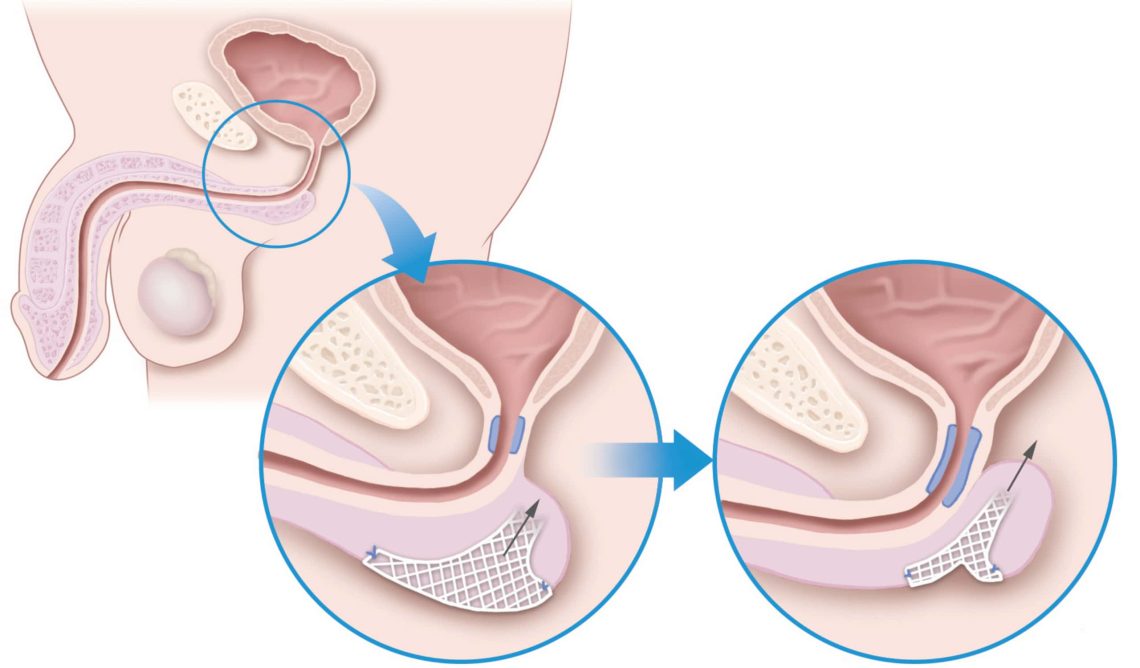
Introduction Urinary incontinence is a common condition that can affect both men and women, particularly after childbirth in women and prostate surgery in men. While often temporary, incontinence can significantly impact daily life, self-confidence, and emotional well-being. Understanding the causes, risk factors, and management strategies is key to recovery and regaining bladder control. Incontinence After Childbirth Causes Childbirth can weaken the pelvic floor muscles, which support the bladder, uterus, and rectum. Factors contributing to postpartum incontinence include: Types of Postpartum Incontinence Management Strategies Incontinence After Prostate Surgery Prostate surgeries, such as prostatectomy for prostate cancer or transurethral resection of the…
-
Introduction: Artificial Intelligence (AI) is reshaping the landscape of healthcare, offering unprecedented opportunities to enhance patient care, improve outcomes, and streamline processes. Furthermore, From revolutionizing diagnostic capabilities to personalizing treatment plans and promoting mental well-being, AI technologies are ushering in a new era of healthcare innovation. Here, we explore five key areas where AI is making a profound impact: Diagnosis: Diagnosis lies at the heart of healthcare, guiding treatment decisions and shaping patient outcomes. Traditionally reliant on the expertise of healthcare professionals, diagnosis is now undergoing a paradigm shift with the integration of Artificial Intelligence (AI) technologies. Moreover, AI-powered…