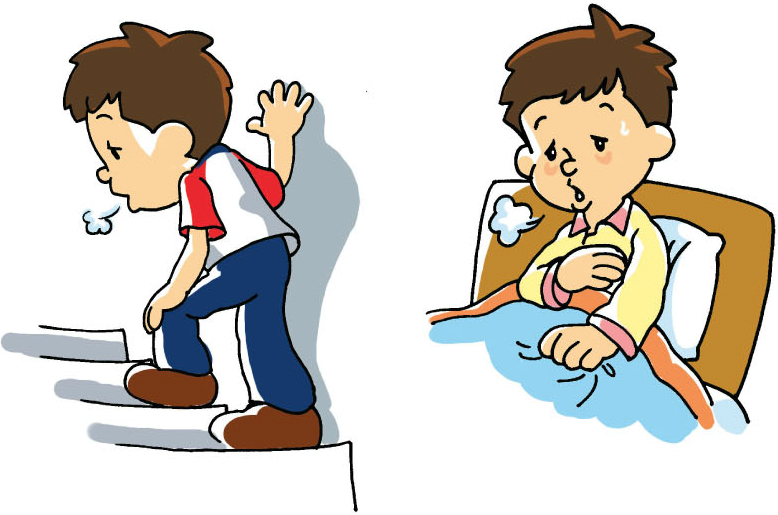
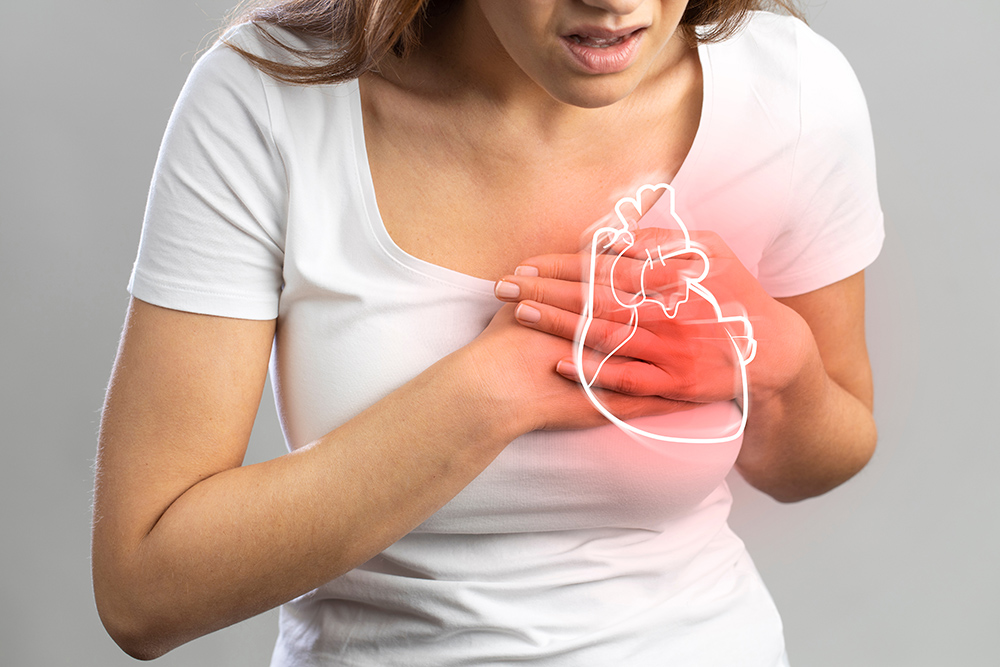
Introduction Heart attacks, or myocardial infarctions, are a leading cause of death among women worldwide. Unlike men, who often experience classic symptoms such as chest pain and left arm discomfort, women frequently present with atypical or subtle symptoms. Awareness of these signs is critical, as delayed recognition can lead to serious complications or death. This article explores the common atypical symptoms of heart attacks in women, risk factors, and preventive strategies. Atypical Heart Attack Symptoms in Women 1. Shortness of Breath 2. Unusual Fatigue 3. Nausea or Vomiting 4. Pain in Jaw, Neck, or Back 5. Sweating and Dizziness 6.…
-
-
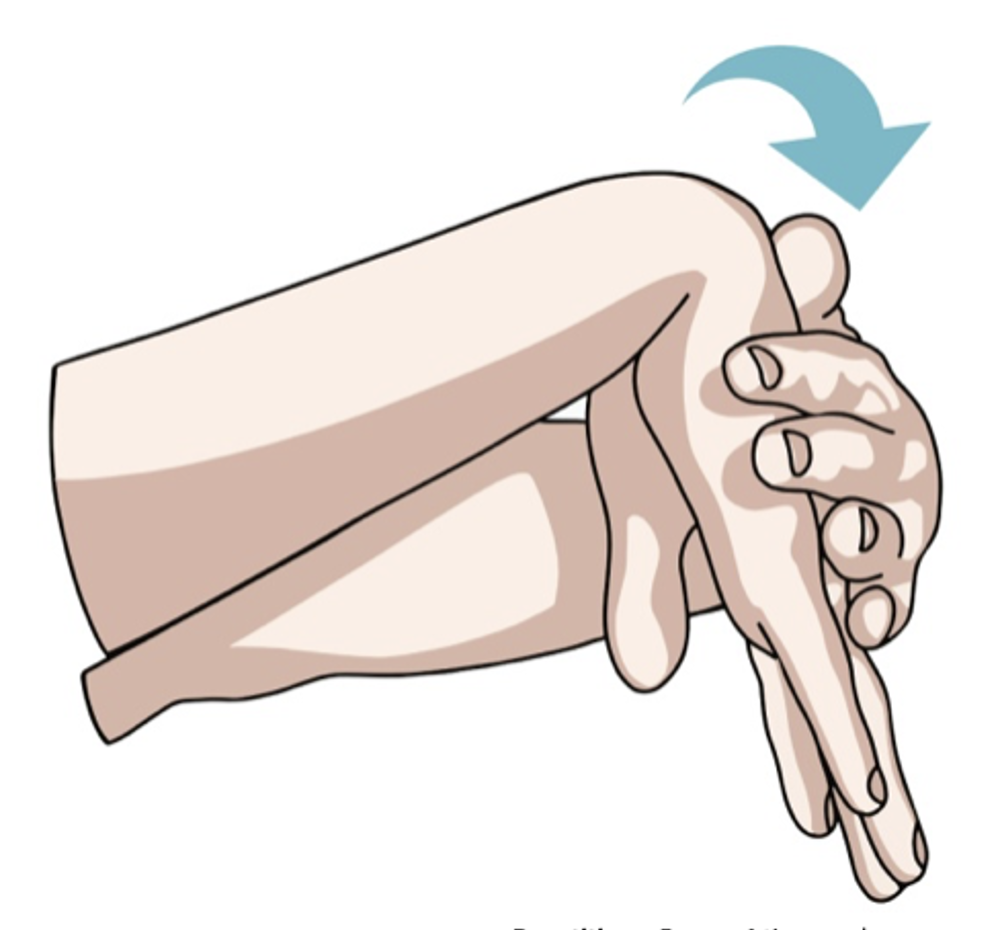
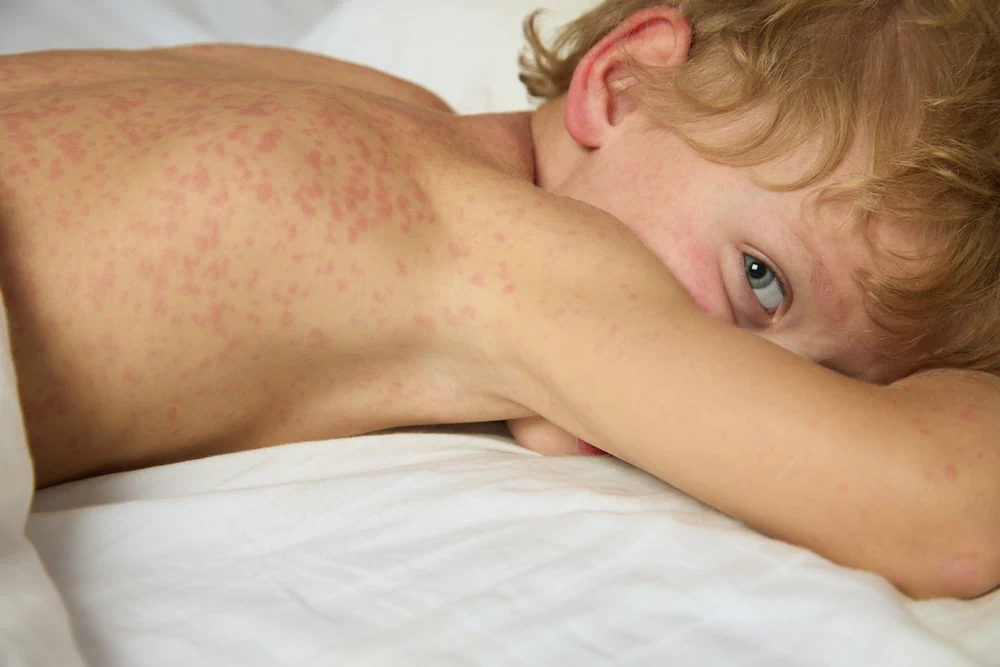
Introduction Pregnancy is often associated with well-known symptoms such as nausea, fatigue, and frequent urination. However, many women experience less common symptoms that can be surprising or uncomfortable. Nosebleeds, skin changes, and carpal tunnel syndrome are among these symptoms, caused by hormonal fluctuations, increased blood volume, and physical changes. Understanding these symptoms, why they occur, and how to manage them can help expectant mothers feel more prepared and comfortable throughout pregnancy. Nosebleeds During Pregnancy Why They Occur Managing Nosebleeds Skin Changes During Pregnancy Common Skin Changes Managing Skin Changes Carpal Tunnel Syndrome in Pregnancy Why It Happens Managing Carpal Tunnel…
-
Introduction Cyclic Vomiting Syndrome (CVS) is a rare disorder characterized by recurrent, severe episodes of nausea and vomiting with symptom-free periods in between. It affects both children and adults, often starting in childhood. Despite its severity, the condition is non-infectious and usually not life-threatening, but it can significantly impact quality of life and daily functioning. Early recognition and proper management are essential to reduce episode frequency, manage symptoms, and prevent complications such as dehydration. Understanding Cyclic Vomiting Syndrome Causes and Triggers The exact cause of CVS is not fully understood, but several factors are thought to contribute: Symptoms of CVS…
-
Introduction Tonsillitis is a common condition that affects people of all ages, but it is particularly frequent in children and adolescents. It refers to the inflammation or infection of the tonsils—two oval-shaped lymph nodes located at the back of the throat that play a significant role in fighting infections. When the tonsils become swollen, painful, or infected, the condition is called tonsillitis. Understanding whether tonsillitis is viral or bacterial is essential because treatment differs. While most cases are viral and resolve on their own, bacterial tonsillitis—especially caused by Group A Streptococcus—requires antibiotics to prevent complications. This detailed guide explores symptoms,…
-
Introduction Mononucleosis, often called “mono” or the “kissing disease,” is a contagious viral infection most commonly caused by the Epstein-Barr virus (EBV). It frequently affects teenagers and young adults, though it can occur at any age. One of the hallmark symptoms of mono is a sore throat, which can be severe and mimic strep throat or other viral infections. Understanding the symptoms, management, and precautions is essential for recovery and preventing complications. Causes of Mono Mono is sometimes called the “kissing disease” because of its ease of transmission via saliva. Symptoms of Mono Symptoms typically develop 4–6 weeks after exposure…
-
Introduction Abdominal pain is one of the most common reasons people seek medical care. In most cases, it is caused by minor issues such as indigestion, gas, or mild infections. However, sometimes abdominal pain signals a serious underlying condition that requires immediate medical attention. Recognizing red flag symptoms can be lifesaving, as they often point to urgent problems like appendicitis, bowel obstruction, perforated ulcers, internal bleeding, or even cancer. This article will help you understand when abdominal pain is an emergency, what warning signs to watch for, and when to seek medical help without delay. Why Abdominal Pain Can Be…
-
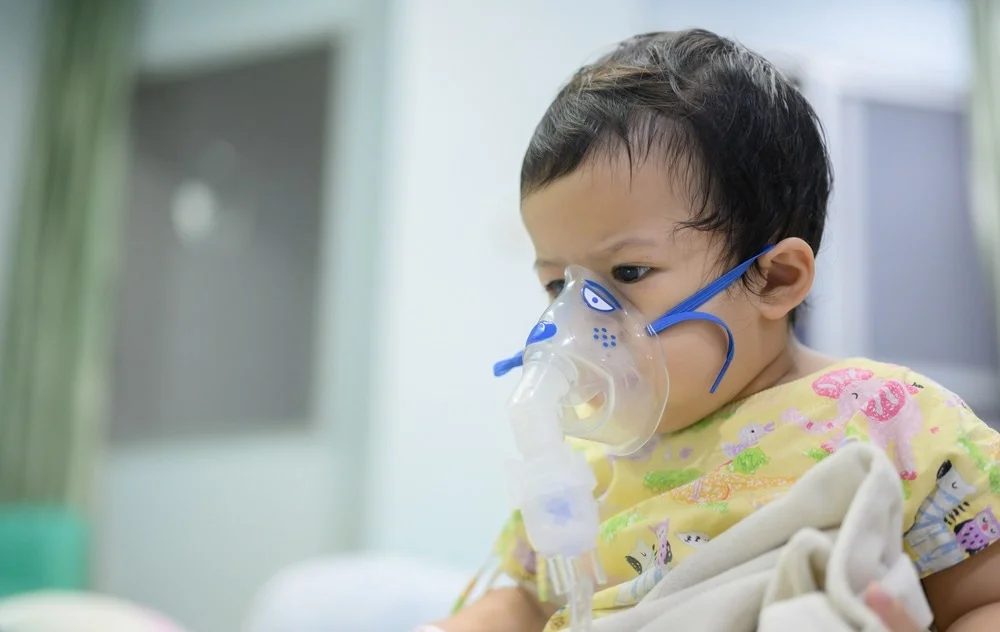
Introduction Respiratory Syncytial Virus (RSV) is a common viral infection that primarily affects the respiratory system. While many cases in infants, toddlers, and older adults are mild and manageable at home, RSV can become severe, particularly in young infants, premature babies, older adults, or those with chronic health conditions. Recognizing the warning signs of severe RSV infection is crucial for timely medical intervention and preventing complications such as respiratory distress, pneumonia, or dehydration. 1. Who is at Higher Risk for Severe RSV Certain groups are more likely to develop severe RSV illness requiring hospitalization: High-risk individuals should be monitored closely…
-
Introduction Respiratory Syncytial Virus (RSV) is a common viral infection that affects the respiratory tract. While RSV can infect people of all ages, its severity and symptoms vary depending on age and immune status. Infants, young children, older adults, and people with weakened immune systems are at higher risk of complications. Recognizing the symptoms early helps in seeking appropriate care and reducing the risk of severe illness. RSV Symptoms in Infants Infants, especially those under 6 months, are particularly vulnerable to RSV infection. Symptoms may be subtle at first but can progress rapidly. Common Symptoms Severe Symptoms Requiring Immediate Medical…
-
Introduction An asthma attack, also called an exacerbation, occurs when the airways suddenly become more inflamed and narrow, making it difficult to breathe. Recognizing the signs early and responding quickly can prevent the attack from worsening and reduce the risk of serious complications. This article explains how to identify asthma attacks, what triggers them, and how to manage them effectively. Recognizing an Asthma Attack Common Signs and Symptoms Common Triggers of Asthma Attacks Immediate Steps to Manage an Asthma Attack Step 1: Stay Calm Step 2: Follow Your Asthma Action Plan Step 3: Sit Upright Step 4: Monitor Symptoms Step…
-
Introduction Asthma is one of the most common chronic conditions affecting children worldwide. It can significantly impact a child’s daily activities, sleep, and school attendance. Early diagnosis, effective management, and clear school plans are essential to help children live healthy, active lives. This article covers how asthma is diagnosed in children, how to manage it at home, and how to work with schools to ensure a safe environment. Diagnosing Asthma in Children Symptoms to Watch For Diagnostic Tools Managing Asthma at Home a) Medications b) Trigger Avoidance c) Regular Monitoring Asthma Action Plans for Children Purpose An Asthma Action Plan…