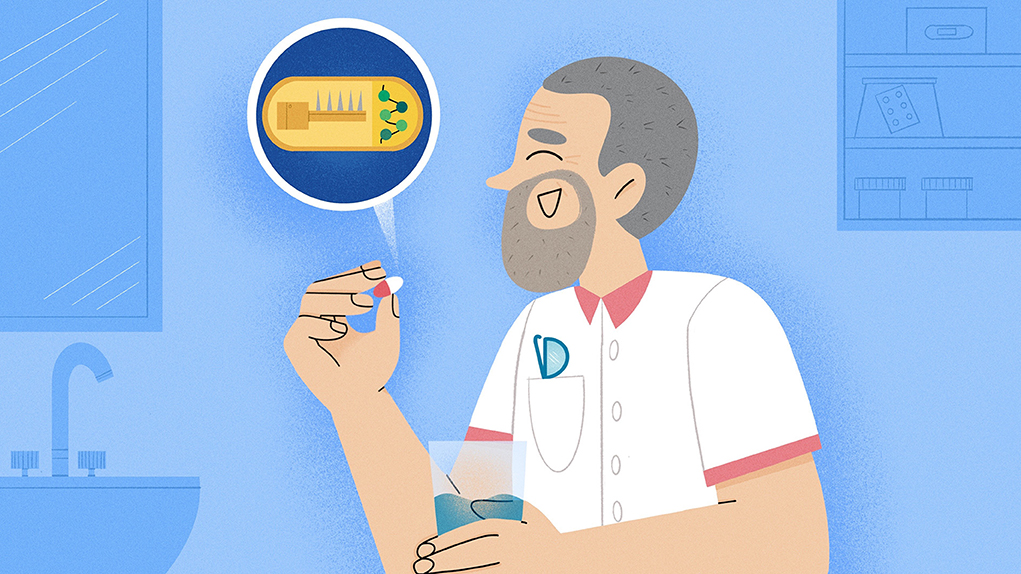
Introduction Hiccups are a quirky, involuntary reflex that almost everyone has experienced. They usually start when the diaphragm contracts suddenly, often triggered by eating too quickly, swallowing air, or drinking carbonated beverages. While most hiccups resolve on their own, people throughout history have developed countless remedies—some unusual, yet surprisingly effective. These folk remedies may not always have strong scientific backing, but many are rooted in practical logic or traditional wisdom. In this article, we’ll explore some of the most unusual but effective hiccup remedies from around the world. 1. Drinking Water in Strange Ways Drinking Upside Down Sipping Ice-Cold Water…

-
-
Introduction Hiccups, or singultus, are involuntary contractions of the diaphragm followed by a sudden closure of the vocal cords. Most hiccups are harmless and short-lived, but persistent hiccups can be irritating. Among the many home remedies, the sugar swallow trick is a classic and widely used method. But how does it work, and why might it stop hiccups? Let’s explore the science behind this simple remedy. 1. How to Perform the Sugar Swallow Trick Step-by-Step Instructions Note: Avoid using powdered sugar or sugar substitutes, as the texture may not provide the same effect. 2. Why It Might Work The sugar…
-
Introduction Hiccups, medically known as singultus, are involuntary contractions of the diaphragm followed by a sudden closure of the vocal cords. While usually harmless, hiccups can be uncomfortable or disruptive. Many effective home remedies target the vagus nerve, a key player in controlling the diaphragm and the hiccup reflex. Techniques such as gargling, swallowing sugar, or pulling the knees to the chest aim to “reset” this nerve and stop hiccups. 1. Understanding the Vagus Nerve The vagus nerve (cranial nerve X) is one of the longest nerves in the body, running from the brainstem through the neck and thorax to…