• Blog - Diseases & Conditions - Health Issues

    The Vomiting Reflex: Why It Happens and How to Stop It (When Safe)

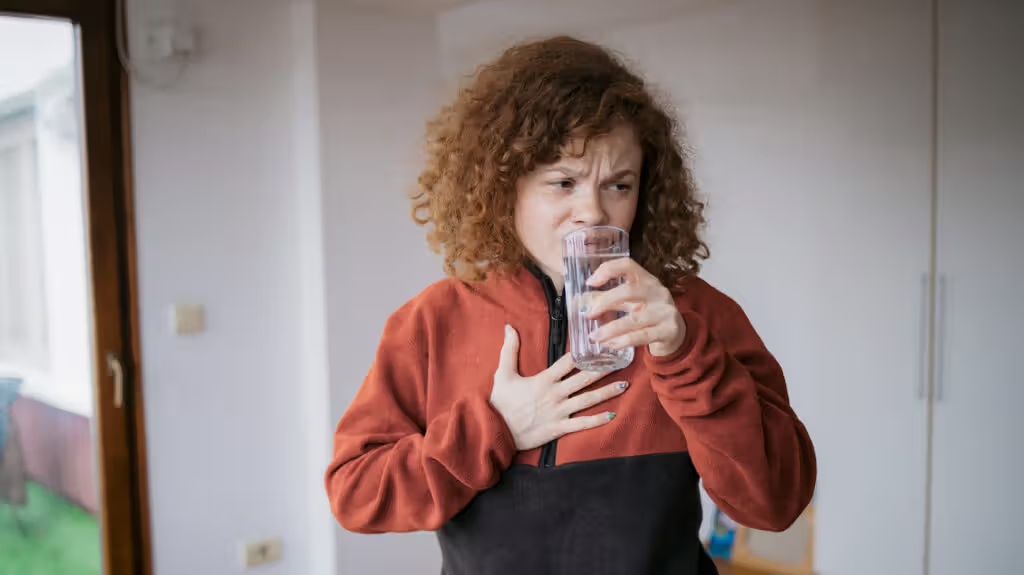
    Introduction Vomiting is one of the body’s strongest protective reflexes. While uncomfortable and often alarming, it serves as a defense mechanism to remove harmful substances from the stomach or respond to signals from the brain. Many factors—such as infections, motion sickness, pregnancy, migraines, and medications—can trigger this response. Although vomiting can be helpful in certain situations, stopping or reducing it is important when it becomes excessive, causes dehydration, or significantly affects daily functioning. This article explains why vomiting happens, how the vomiting reflex works, common triggers, signs it is safe to try to stop it, and evidence-based ways to reduce…

  • Blog - Diseases & Conditions - Health Issues

    Hydration Strategies After Vomiting (Sips, Electrolytes)

    Introduction Vomiting can lead to dehydration and electrolyte imbalances, especially if episodes are frequent or prolonged. Maintaining proper hydration after vomiting is essential to restore fluid balance, prevent complications, and support recovery. Simple strategies like small sips of water, oral rehydration solutions, and electrolyte-rich fluids can be highly effective. This article outlines safe and practical hydration strategies for adults and children after vomiting. Why Hydration is Important After Vomiting Stepwise Hydration Strategies 1. Start with Small Sips 2. Oral Rehydration Solutions (ORS) 3. Clear Fluids 4. Gradual Reintroduction of Food 5. Electrolyte-Rich Foods Hydration Tips for Children Warning Signs of…

  • Blog - Diseases & Conditions - Health Issues

    Cyclic Vomiting Syndrome: Symptoms and Management

    Introduction Cyclic Vomiting Syndrome (CVS) is a rare disorder characterized by recurrent, severe episodes of nausea and vomiting with symptom-free periods in between. It affects both children and adults, often starting in childhood. Despite its severity, the condition is non-infectious and usually not life-threatening, but it can significantly impact quality of life and daily functioning. Early recognition and proper management are essential to reduce episode frequency, manage symptoms, and prevent complications such as dehydration. Understanding Cyclic Vomiting Syndrome Causes and Triggers The exact cause of CVS is not fully understood, but several factors are thought to contribute: Symptoms of CVS…

  • Blog - Diseases & Conditions - Health Issues

    Nausea and Vomiting After Surgery or Anesthesia

    Introduction Nausea and vomiting are common complications after surgery, affecting 20–30% of patients. Known as postoperative nausea and vomiting (PONV), this condition can occur after general anesthesia, regional anesthesia, or certain medications used during surgery. While often self-limiting, PONV can delay recovery, prolong hospital stays, and cause discomfort, dehydration, and wound complications. Understanding the causes, risk factors, prevention, and management of PONV is essential for patients and healthcare providers. Causes of Postoperative Nausea and Vomiting 1. Anesthesia Effects 2. Surgical Factors 3. Patient Factors 4. Medications Symptoms Prevention of PONV 1. Risk Assessment 2. Medications 3. Anesthesia Techniques 4. Hydration…

  • Blog - Diseases & Conditions - Health Issues

    When Vomiting Requires Medical Attention (Dehydration, Blood, Severe Pain)

    Introduction Vomiting is a common symptom that can result from infections, motion sickness, pregnancy, medications, or gastrointestinal disorders. While most cases are mild and self-limiting, vomiting can sometimes indicate serious underlying conditions. Recognizing warning signs such as dehydration, blood in vomit, severe pain, or persistent vomiting is crucial to prevent complications and ensure timely treatment. This article explains red-flag symptoms, causes, and when to seek medical care. Red-Flag Symptoms That Require Medical Attention 1. Signs of Dehydration Vomiting can quickly lead to fluid and electrolyte loss, particularly in children, elderly individuals, or pregnant women. Warning signs include: Action: Seek medical…

  • Blog - Diseases & Conditions - Health Issues

    Common Causes of Nausea and Vomiting (Infections, Pregnancy, Migraine)

    Introduction Nausea and vomiting are common symptoms that can range from mild discomfort to severe illness. They are not diseases themselves but manifestations of underlying conditions. While occasional nausea is often harmless, persistent or severe vomiting can lead to dehydration, electrolyte imbalance, and serious complications. Understanding the common causes, such as infections, pregnancy, and migraines, can help in timely management and prevention. Infections: Gastroenteritis and Systemic Illnesses 1. Gastroenteritis 2. Foodborne Illness 3. Systemic Infections Pregnancy-Related Nausea and Vomiting 1. Morning Sickness 2. Hyperemesis Gravidarum Management Tips During Pregnancy Migraines and Nausea 1. Migraine-Associated Nausea 2. Management Other Common Causes…

  • Ask the Experts - Blog - Diseases & Conditions - Health Issues - Prevention & Wellness - Resources & Tools

    Safe Food Handling to Prevent Salmonellosis

    Introduction: Salmonellosis is a common foodborne illness caused by infection with Salmonella bacteria. It can cause severe gastrointestinal distress and other complications, particularly in vulnerable populations. Practicing safe food handling is essential to prevent salmonellosis and ensure the safety of your food. This detailed article explores effective prevention strategies, proper food storage and handling techniques, recognizing symptoms, common sources of contamination, the importance of cooking foods to safe temperatures, and preventive measures like thorough hand and utensil washing.   Preventing Salmonellosis Preventing salmonellosis involves a combination of good hygiene practices, proper food handling, and awareness of contamination sources. Here are…

  • Blog - Diseases & Conditions - Health Issues - Lifestyle & Wellness - Prevention & Wellness - Resources & Tools

    How to Avoid Cryptosporidiosis?

    Introduction: Cryptosporidiosis, caused by the protozoan parasite Cryptosporidium, is a common waterborne illness with the potential for severe gastrointestinal symptoms. Preventing cryptosporidiosis involves implementing effective water safety measures to minimize the risk of contamination. In this blog, we explore how to avoid cryptosporidiosis by understanding its symptoms, recognizing the importance of water treatment, and adopting proactive strategies for water safety.   Recognizing Cryptosporidiosis Symptoms: Cryptosporidiosis can cause a range of gastrointestinal symptoms, which may vary in severity and duration. Understanding the signs of cryptosporidiosis can aid in early detection and prompt treatment. Here are the key symptoms to watch for:…

  • Blog - Diseases & Conditions - Health Issues - Lifestyle & Wellness - Prevention & Wellness - Resources & Tools

    How to Reduce the Risk of Eastern Equine Encephalitis (EEE)?

    Introduction: Eastern Equine Encephalitis (EEE) is a rare but serious viral illness transmitted to humans and horses primarily through the bite of infected mosquitoes. With potentially severe consequences, it’s crucial to implement effective mosquito control measures to reduce the risk of EEE transmission. In this comprehensive blog, we delve into understanding EEE and outline various strategies for mosquito control to safeguard communities.   Eastern Equine Encephalitis: Eastern Equine Encephalitis is a viral disease caused by the Eastern Equine Encephalitis virus (EEEV), belonging to the family Togaviridae, genus Alphavirus. It is primarily transmitted through the bite of infected mosquitoes, particularly species…

  • Blog - Diseases & Conditions - Fitness & Exercise - Health Issues - Lifestyle & Wellness - Parenting & Family Health - Prevention & Wellness

    Colitis

    INTRODUCTION: People usually feel abdominal pain and acidity and take over-the-counter medications to suppress the symptoms. Do they do it right? The inflammatory disease that affects the rectum and colon can be called colitis. Colitis patients have mucosal inflammation that starts in the rectum and can extend to other areas of the gut, like the colon. The symptoms of this deadly disease are diarrhea, which can be diagnosed by colonoscopy. This disease affects those who have a family history of colitis, which means that genetics plays a role here, but along with this, some environmental factors can also cause it.…