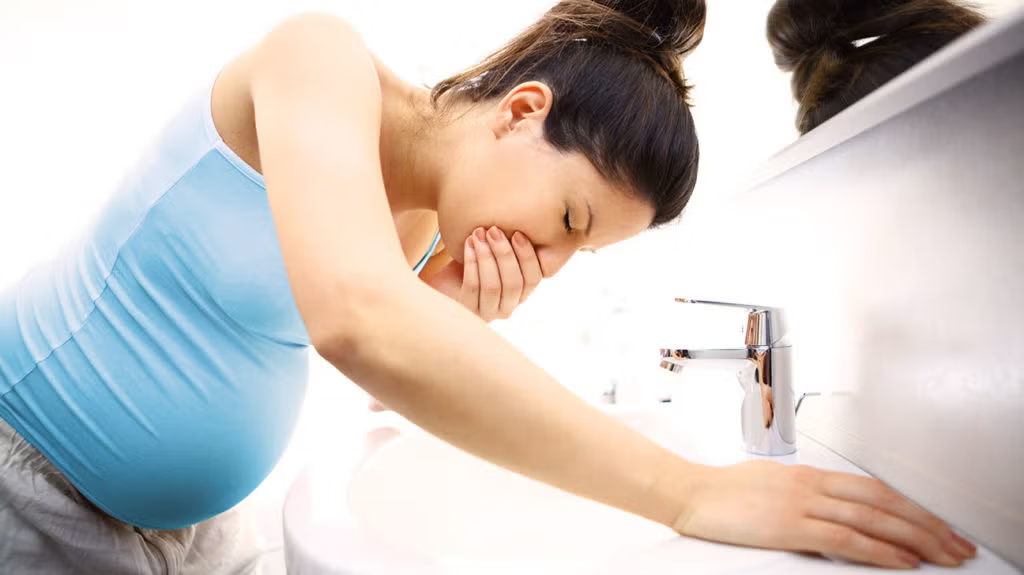
Introduction Morning sickness is a common symptom during early pregnancy, affecting up to 70–80% of pregnant women. Despite its name, it can occur at any time of the day. It typically presents as nausea with or without vomiting, most often during the first trimester. While usually mild, severe cases can lead to dehydration, weight loss, and fatigue, requiring medical attention. Effective management involves lifestyle modifications, dietary strategies, and safe remedies, allowing most women to navigate early pregnancy more comfortably. Understanding Morning Sickness Causes Morning sickness is believed to be caused by: Symptoms Lifestyle and Home Management 1. Dietary Adjustments 2.…
-
-
Introduction Nausea is an uncomfortable sensation that can precede vomiting and is often caused by infections, motion sickness, pregnancy, migraines, or certain medications. While persistent nausea may require medical attention, mild to moderate nausea can often be managed at home using simple remedies. This article explores effective home strategies, including ginger, peppermint, acupressure, and dietary modifications, to help reduce nausea and improve comfort. Ginger for Nausea Relief Why Ginger Works Ginger contains active compounds like gingerol and shogaol that have anti-inflammatory and antiemetic properties, helping calm the stomach and reduce nausea. How to Use Ginger Evidence Peppermint for Nausea Relief…
-
Introduction Nausea and vomiting are common symptoms that can range from mild discomfort to severe illness. They are not diseases themselves but manifestations of underlying conditions. While occasional nausea is often harmless, persistent or severe vomiting can lead to dehydration, electrolyte imbalance, and serious complications. Understanding the common causes, such as infections, pregnancy, and migraines, can help in timely management and prevention. Infections: Gastroenteritis and Systemic Illnesses 1. Gastroenteritis 2. Foodborne Illness 3. Systemic Infections Pregnancy-Related Nausea and Vomiting 1. Morning Sickness 2. Hyperemesis Gravidarum Management Tips During Pregnancy Migraines and Nausea 1. Migraine-Associated Nausea 2. Management Other Common Causes…
-
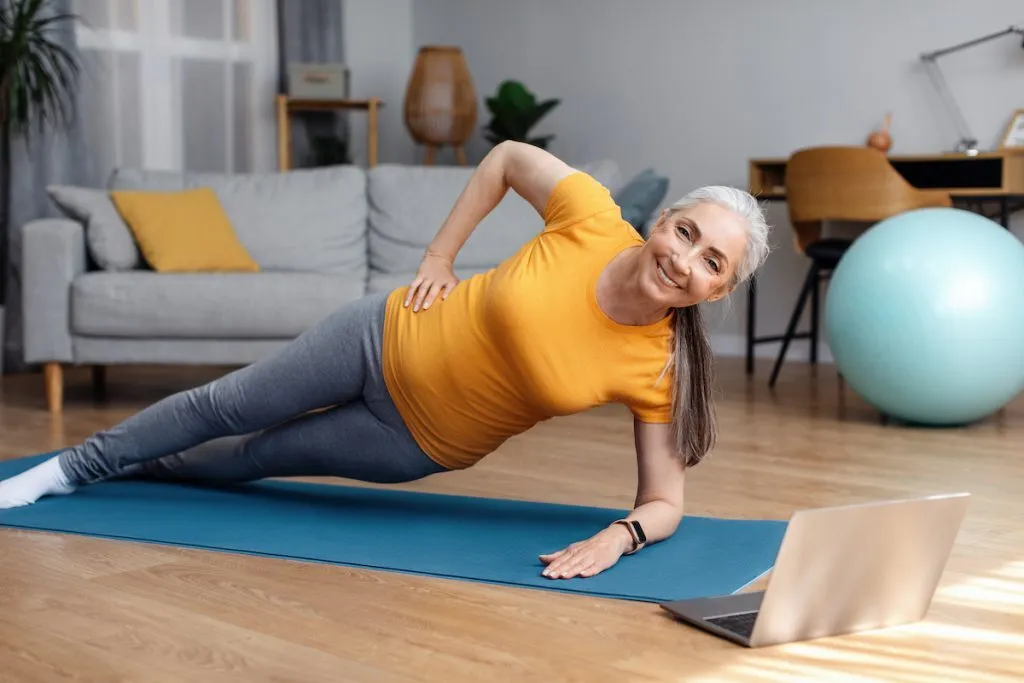
Introduction Low back pain is a common problem that often recurs, even after successful treatment. One of the most effective ways to prevent recurrence is by focusing on core muscle strength and proper posture. The core muscles—including the abdominals, obliques, lower back, and pelvic muscles—act as a natural support for the spine. Coupled with correct posture and movement mechanics, a strong core can reduce stress on the spine and prevent future episodes of pain. This article explores the importance of core strength and posture, practical exercises, lifestyle strategies, and tips to maintain a healthy back. Why Core Strength Matters for…
-
Introduction Back pain is a common complaint that can range from a minor nuisance to a debilitating condition. One of the simplest and most widely used methods for managing pain at home is thermotherapy (heat) or cryotherapy (ice). While both approaches provide relief, understanding when to use heat versus ice can significantly enhance recovery and comfort. This article explores the mechanisms, benefits, and practical guidelines for using heat and ice for back pain relief. Understanding Back Pain Types 1. Acute Back Pain 2. Chronic Back Pain The type of back pain often determines whether heat or ice is more effective.…
-
Introduction Chronic low back pain (CLBP) is defined as back pain persisting for 12 weeks or longer. Unlike acute pain, chronic pain often continues despite standard treatments and can significantly impact quality of life, work, and emotional well-being. Managing CLBP requires a multidisciplinary approach, combining medical, physical, psychological, and lifestyle interventions. This holistic strategy addresses not just the symptoms but also the underlying physical, emotional, and social factors that contribute to persistent pain. Understanding Chronic Low Back Pain Causes Symptoms Multidisciplinary Approach to Management 1. Medical Management Medications Interventional Procedures 2. Physical Therapy and Exercise Goals Common Techniques Note: PT…
-
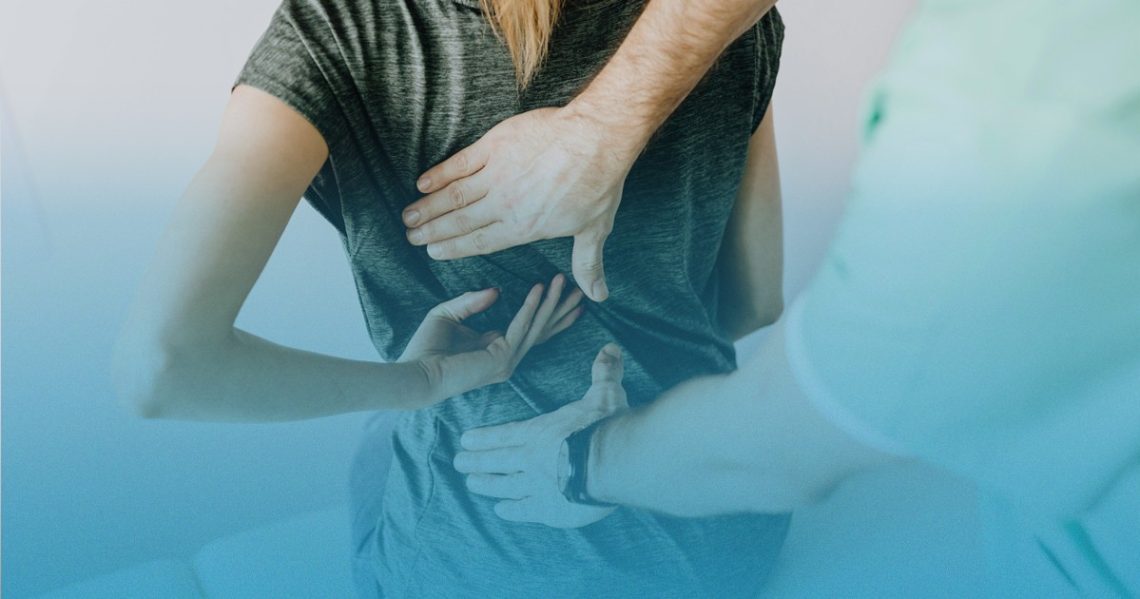
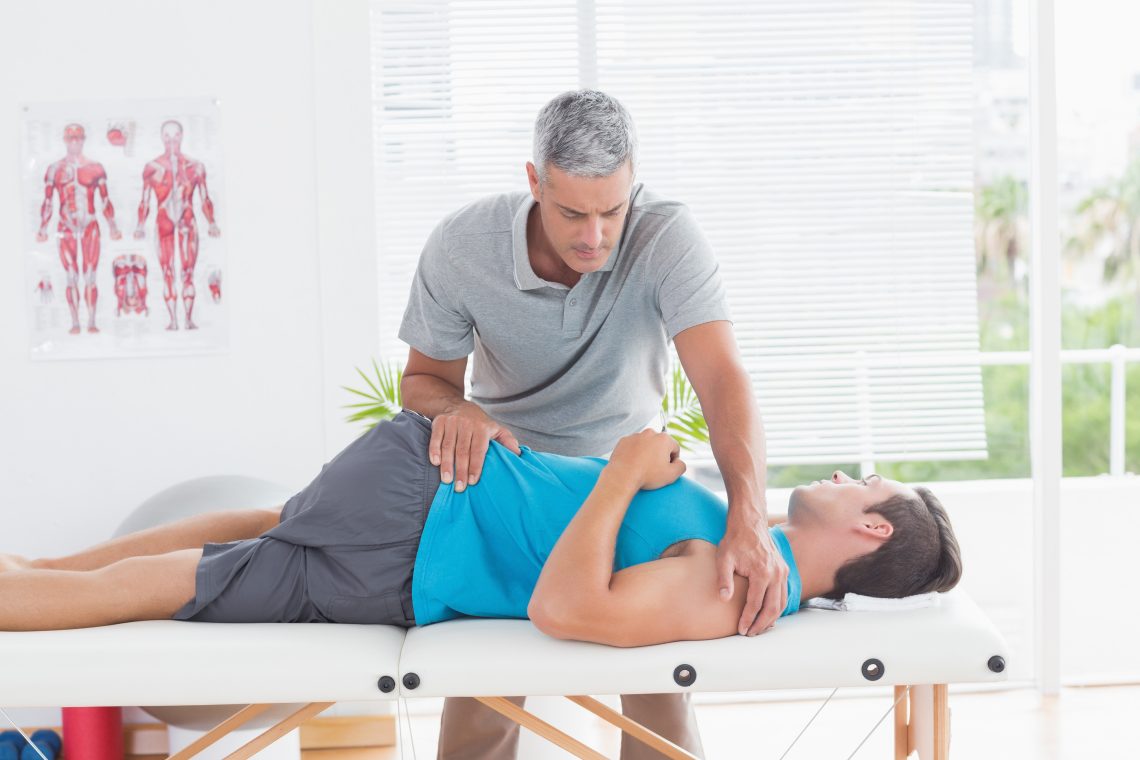
Introduction Low back pain is one of the most common reasons adults seek medical care. While many cases improve with rest and self-care, physical therapy (PT) is often recommended to reduce pain, restore mobility, and prevent recurrence. Physical therapy focuses on exercise, posture correction, manual therapy, and patient education to address the root causes of low back pain. Understanding what physical therapy involves, the expected outcomes, and the timeline for improvement can help patients feel more confident and engaged in their recovery. Why Physical Therapy Helps Low Back Pain Physical therapy is effective because it: Initial Evaluation When you first…
-
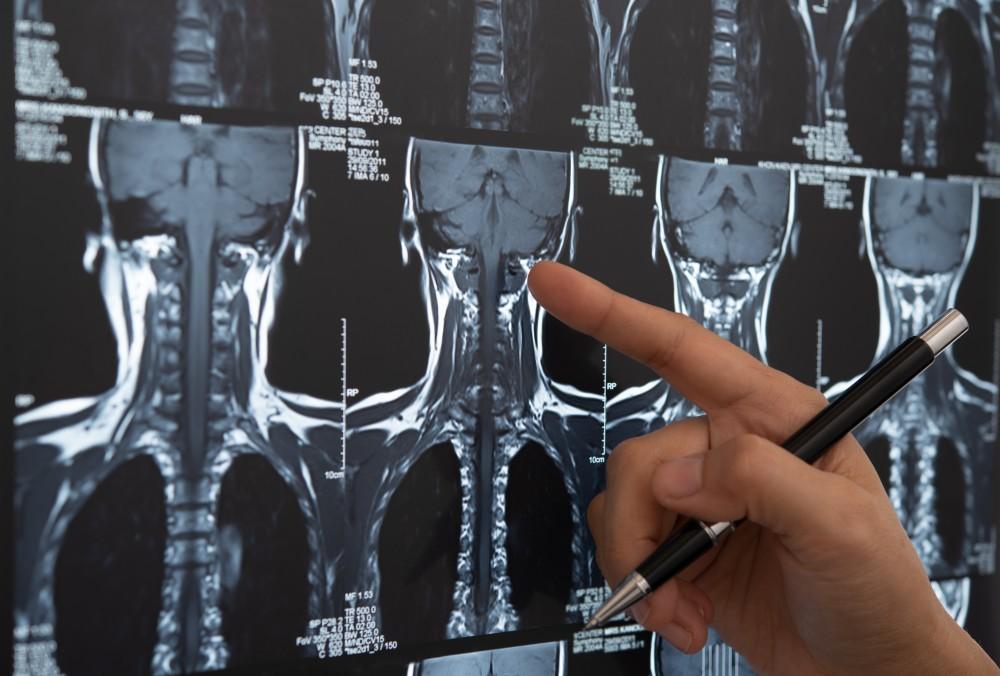
Introduction Back pain is one of the most common health complaints worldwide. While most cases of acute low back pain are self-limiting and improve within a few weeks, imaging tests such as X-rays, MRI, or CT scans are sometimes necessary to identify serious underlying conditions. However, routine imaging for all back pain is not recommended, as it may not improve outcomes and can lead to unnecessary interventions. Understanding when imaging is appropriate, which type of test to choose, and what information it provides is crucial for both patients and clinicians. Why Imaging Isn’t Always Needed Most acute back pain is…
-
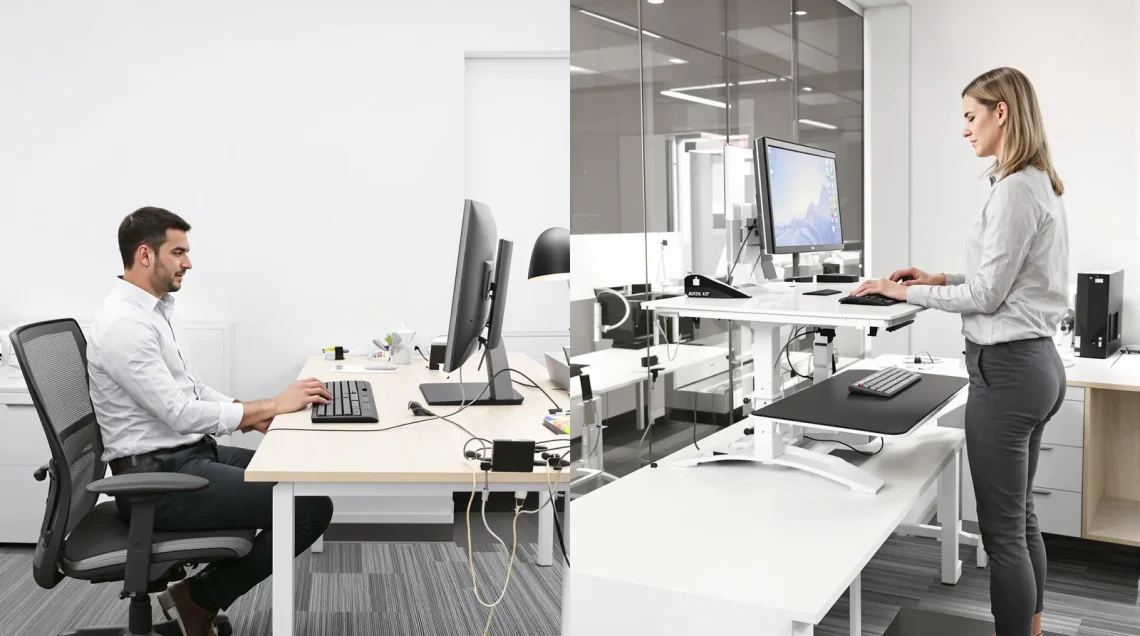
Introduction Back pain is one of the most common complaints among office workers, largely due to prolonged sitting, poor posture, and improperly designed workspaces. An ergonomically optimized workspace can prevent strain on the spine, reduce the risk of musculoskeletal disorders, and improve productivity and comfort. Proper setup is not just about buying an expensive chair—it involves correct posture, desk arrangement, equipment positioning, and movement habits. This article outlines practical steps to create a back-friendly workspace. Understanding Ergonomics and Back Health What Is Ergonomics? Ergonomics is the science of designing workspaces and tools to fit the user, not forcing the body…
-
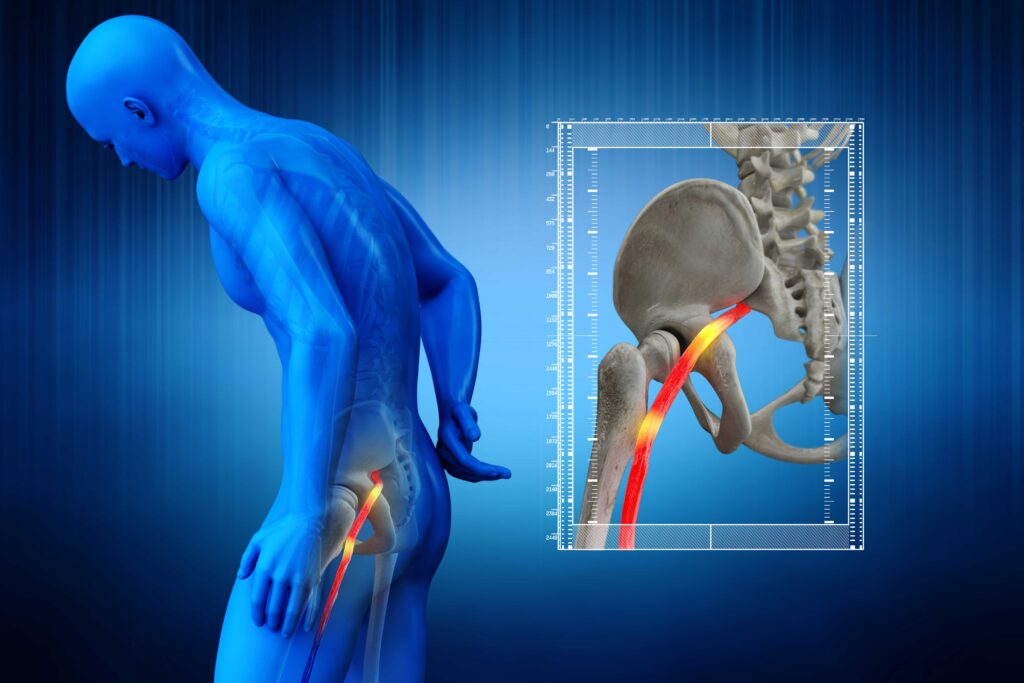
Introduction Sciatica is a condition characterized by pain, tingling, numbness, or weakness along the path of the sciatic nerve, which runs from the lower back, through the hips and buttocks, down each leg. It is most often caused by nerve compression due to a herniated disc, spinal stenosis, or muscle irritation. The intensity of pain can range from mild discomfort to severe, debilitating pain that interferes with daily activities. Understanding the causes, symptoms, and management strategies is crucial for relieving pain and preventing long-term issues. Effective sciatica management combines self-care, exercises, lifestyle modifications, medications, and, in severe cases, medical interventions.…