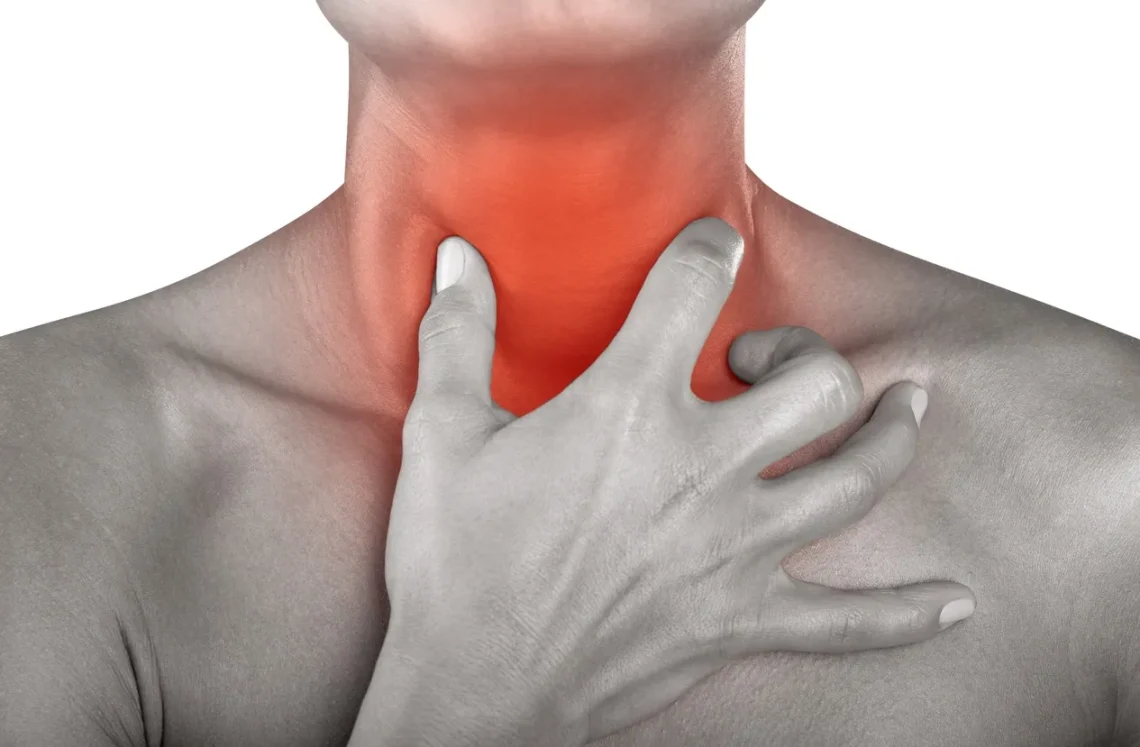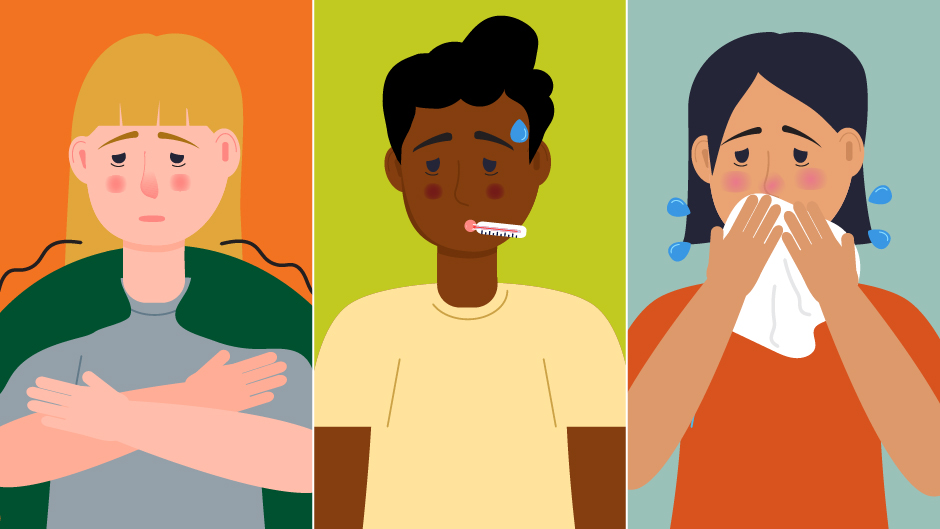
Introduction Bronchitis, characterized by inflammation of the bronchial tubes, often leads to coughing, mucus production, and chest discomfort. One of the most common questions patients ask is: “Do I need antibiotics for bronchitis?” The answer is more complex than a simple yes or no. In most cases, antibiotics are not necessary, but there are exceptions where they can be crucial. Misuse of antibiotics can lead to serious problems such as antibiotic resistance. This article explores when antibiotics are truly needed for bronchitis, why they are often avoided, and the best alternatives for symptom relief. What is Bronchitis? Bronchitis is the…
-
-
Introduction Bronchitis is a common respiratory condition that causes inflammation in the bronchial tubes, leading to coughing, mucus production, and breathing difficulties. Many people wonder: Is bronchitis contagious? The answer isn’t simple—it depends on the type of bronchitis and its underlying cause. Understanding how bronchitis spreads, its risk factors, and prevention strategies can help protect you and others from infection and complications. This article explores the contagious nature of bronchitis, how it spreads, and the best ways to prevent transmission. What is Bronchitis? Bronchitis occurs when the lining of the bronchial tubes becomes inflamed and irritated. This inflammation often results…
-
Introduction Cholesterol management is a key component of preventing cardiovascular disease (CVD), but not everyone benefits from the same cholesterol targets. Individual risk factors such as age, genetics, lifestyle, and existing health conditions influence how aggressively cholesterol levels should be managed. Setting realistic, personalized cholesterol goals ensures that treatment is both effective and safe, avoiding unnecessary anxiety or overtreatment. This article will guide you through understanding cholesterol goals tailored to your specific risk profile and how to work with healthcare professionals to achieve them. Understanding Cholesterol and Cardiovascular Risk Cholesterol is a fatty substance essential for body functions but harmful…
-
Introduction Cholesterol plays a crucial role in our body, but imbalances—particularly high levels of low-density lipoprotein (LDL or “bad cholesterol”) and low levels of high-density lipoprotein (HDL or “good cholesterol”)—can significantly increase the risk of heart disease. Alongside diet and medication, physical exercise is a powerful, natural way to improve cholesterol levels and overall cardiovascular health. This article explores how exercise directly affects cholesterol, the best types of physical activity to optimize lipid profiles, recommended durations, and practical tips to integrate exercise into your lifestyle for heart health. Understanding Cholesterol and Its Types Improving your cholesterol means lowering LDL and…
-
Introduction Receiving an HPV diagnosis can be emotionally challenging, especially when it comes to discussing it with your partner. Because Human Papillomavirus (HPV) is a highly common sexually transmitted infection, understanding how to communicate openly and honestly is key to maintaining trust and intimacy in relationships. Open dialogue about HPV can reduce stigma, promote mutual support, and empower both partners to make informed decisions about health and prevention. This article offers a detailed guide on how to approach the conversation about HPV with your partner, covering when and how to talk, what to say, common concerns, and ways to foster…
-
Introduction Human Papillomavirus (HPV) is widely recognized for its critical role in causing cervical cancer, but its impact extends far beyond this single disease. HPV is implicated in several other cancers affecting both men and women, including anal, penile, and oropharyngeal (oral and throat) cancers. These HPV-related cancers have been increasing in incidence worldwide, highlighting the need for broader awareness, prevention, and early detection. This article delves into HPV’s role in anal, penile, and oral cancers—exploring how the virus causes these cancers, who is at risk, symptoms to watch for, and strategies to reduce your risk. Understanding HPV: A Quick…
-
Introduction Human Papillomavirus (HPV) is one of the most common sexually transmitted infections globally, and testing for it has become an essential part of cervical cancer screening for women. While receiving your HPV test results can feel confusing—or even alarming, especially if the result is positive- it’s important to understand what your test means. Whether your result is positive or negative, it doesn’t tell the full story about your health or cancer risk on its own. This article will break down what your HPV test results mean, what steps you might need to take next, and how to manage your…
-
Introduction Passing a kidney stone can be an intense and painful ordeal. While many people believe the problem ends once the stone has passed, the reality is that kidney stones often recur. In fact, studies show that nearly 50% of people who have had one kidney stone will experience another within 5-10 years if no preventive measures are taken. The good news is that there are effective long-term strategies you can adopt after your first stone to reduce the risk of recurrence. This article explores these strategies, covering lifestyle changes, dietary recommendations, medical treatments, and monitoring to help you maintain…
-
Introduction Kidney stones are a common urological problem caused by a variety of factors, including diet, genetics, and dehydration. However, certain underlying medical conditions can significantly increase the risk of developing kidney stones. Understanding these conditions is essential for effective treatment and prevention of recurrent stones. This article explores key medical disorders linked to kidney stones, focusing on hyperparathyroidism and urinary tract infections (UTIs), as well as other notable conditions. How Underlying Conditions Influence Kidney Stone Formation Kidney stones form when urine becomes supersaturated with minerals and salts, leading to crystal formation. Underlying diseases can alter the balance of urine…
-
Introduction Passing a kidney stone can be an intensely painful experience, but many small stones pass naturally without surgery or invasive procedures. If you’re dealing with a kidney stone at home, knowing how to manage pain, aid the stone’s passage, and recognize warning signs that require urgent medical attention is crucial. This article offers a detailed guide on safely passing a stone at home, helpful tips for comfort, and clear advice on when to seek emergency care. Understanding Kidney Stones and the Passing Process Kidney stones are hard deposits of minerals and salts that form in the kidneys and can…