Introduction
Chest pain can arise from many causes—ranging from muscle strain or acid reflux to life-threatening conditions like a heart attack. Because the symptoms often overlap, doctors rely on a combination of diagnostic tests to identify whether the pain is cardiac in origin. Four of the most important tools used in evaluating chest pain are the Electrocardiogram (EKG), Troponin blood test, Stress test, and Coronary angiography.
Electrocardiogram (EKG/ECG)
What it is
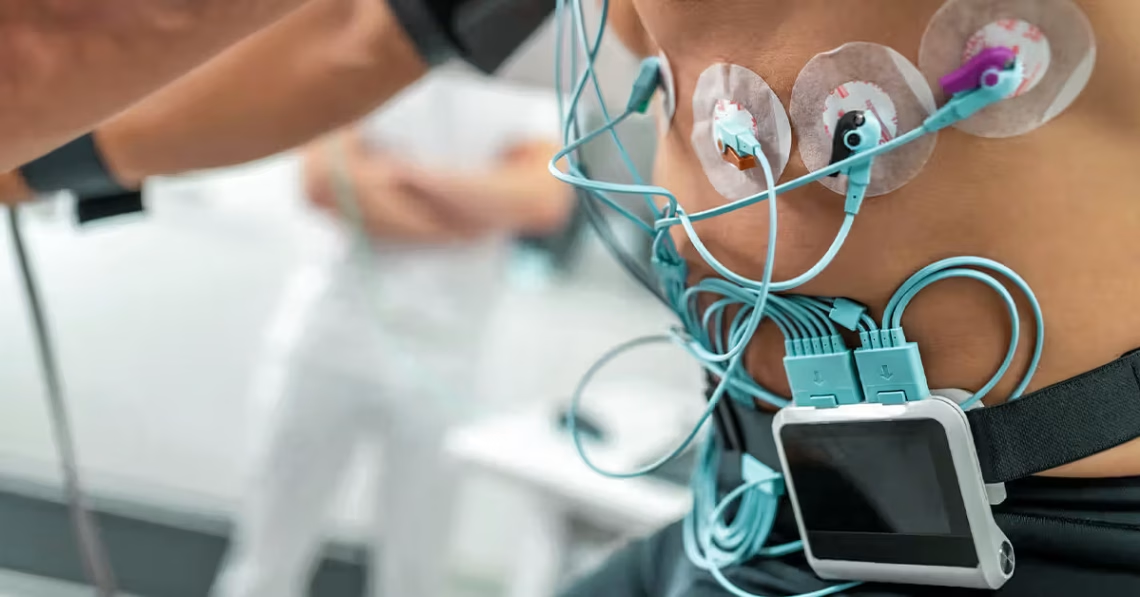
An EKG records the electrical activity of the heart through small sensors (electrodes) attached to the skin.
Why it done
- Detects abnormal heart rhythms (arrhythmias).
- Identifies signs of a current or past heart attack.
- Reveals poor blood flow (ischemia) or heart enlargement.
What to expect
- Quick, painless, takes only a few minutes.
- Electrodes are placed on the chest, arms, and legs.
Troponin Blood Test
What it is
Troponins are proteins released into the bloodstream when the heart muscle is damaged.
Why it done
- Considered the gold standard for detecting heart attacks.
- Elevated levels suggest heart muscle injury, typically due to a blockage in the coronary arteries.
What to expect
- A simple blood draw.
- Usually repeated over several hours to check for changes in levels.
Stress Test
What it is
A stress test evaluates how the heart performs under physical stress (usually treadmill or stationary bike). For those unable to exercise, medications are used to simulate stress.
Why it’s done
- Helps uncover heart problems not present at rest.
- Detects reduced blood supply to the heart (ischemia).
- Guides treatment decisions for chest pain and suspected coronary artery disease.
What to expect
- EKG and sometimes imaging (echocardiogram or nuclear scan) during and after exercise.
- Monitors heart rate, rhythm, and blood pressure.
Coronary Angiography (Cardiac Catheterization)
What it is
A procedure using dye and X-ray imaging to visualize the coronary arteries.
Why it’s done
- Provides a detailed look at blockages or narrowing in the arteries.
- Determines if stenting, angioplasty, or surgery is needed.
- Often performed if other tests suggest significant heart disease.
What to expect
- A catheter is inserted into an artery (wrist or groin) and guided to the heart.
- Contrast dye highlights blood flow in the coronary arteries.
- Usually requires local anesthesia and short hospital observation.
Putting It All Together
Doctors often use these tests in combination:
- EKG + troponin: First-line emergency tests for suspected heart attack.
- Stress test: Used when initial tests are unclear, especially for ongoing chest pain without emergency features.
- Angiography: Provides definitive information when non-invasive tests show abnormalities or if intervention is needed.
Conclusion
Chest pain should always be taken seriously. The EKG, troponin blood test, stress test, and coronary angiography are essential tools that help doctors distinguish between benign causes and life-threatening heart conditions. Quick diagnosis through these tests ensures timely treatment and can save lives.
FAQs
1. Is an EKG enough to rule out a heart attack?
Not always—an EKG may look normal early in a heart attack, so troponin tests are also needed.
2. How soon do troponin levels rise after a heart attack?
Troponins typically rise within 3–6 hours and remain elevated for up to 1–2 weeks.
3. Can a stress test be dangerous?
It is generally safe, but doctors monitor closely. Rarely, it can trigger arrhythmias or chest pain.
4. Do all patients with chest pain need an angiogram?
No. Angiography is usually done if non-invasive tests suggest serious blockages.
5. How long does a coronary angiography take?
Typically 30–60 minutes, followed by a short recovery period.