Introduction
Pimples often appear with redness, swelling, and pain—especially inflammatory acne like papules, pustules, and cysts. While many skincare treatments target bacteria or oil buildup, one of the fastest ways to calm a pimple’s appearance is ice therapy. This simple, inexpensive method uses cold temperature to shrink blood vessels, reduce swelling, and numb the area for instant relief.
Ice therapy is not a cure for acne, but it is a highly effective emergency treatment to reduce visible redness and discomfort. This article explains how ice therapy works, the correct way to use it, the mistakes to avoid, and when it’s most helpful.
What Is Ice Therapy?
Ice therapy—also known as cryotherapy in dermatology—uses cold temperature to:
- Reduce inflammation
- Shrink blood vessels
- Numb pain
- Calm redness
- Prevent a pimple from getting bigger
It works quickly and can be safely combined with other acne treatments.
Benefits of Ice Therapy for Pimples
1. Reduces Redness
Cold constricts blood vessels, making the surrounding skin look less inflamed and visibly calmer.
2. Shrinks Swelling
Ice reduces inflammation, which helps flatten the pimple temporarily—especially useful before events or photos.
3. Numbs Pain
Cold reduces nerve activity, giving relief from painful cystic pimples or swelling.
4. Slows Down Pimple Growth
Applying ice early may prevent a newly forming pimple from becoming larger or more painful.
5. Safe for Most Skin Types
Unlike harsh treatments, ice (used correctly) is gentle and unlikely to cause irritation.
When Ice Therapy Works Best
- New, inflamed pimples (red, swollen bumps)
- Painful pimples that feel deep under the skin
- Cystic acne flare-ups
- Before applying makeup to reduce swelling
- Pimples that feel like they’re “forming”
- After popping a pimple (with caution and only after cleaning the area)
How to Use Ice Therapy Safely
1. Always Wrap Ice in a Cloth
Never apply ice directly to the skin—it can cause burns, irritation, or broken capillaries.
Use:
- A thin washcloth
- A paper towel
- A clean cotton cloth
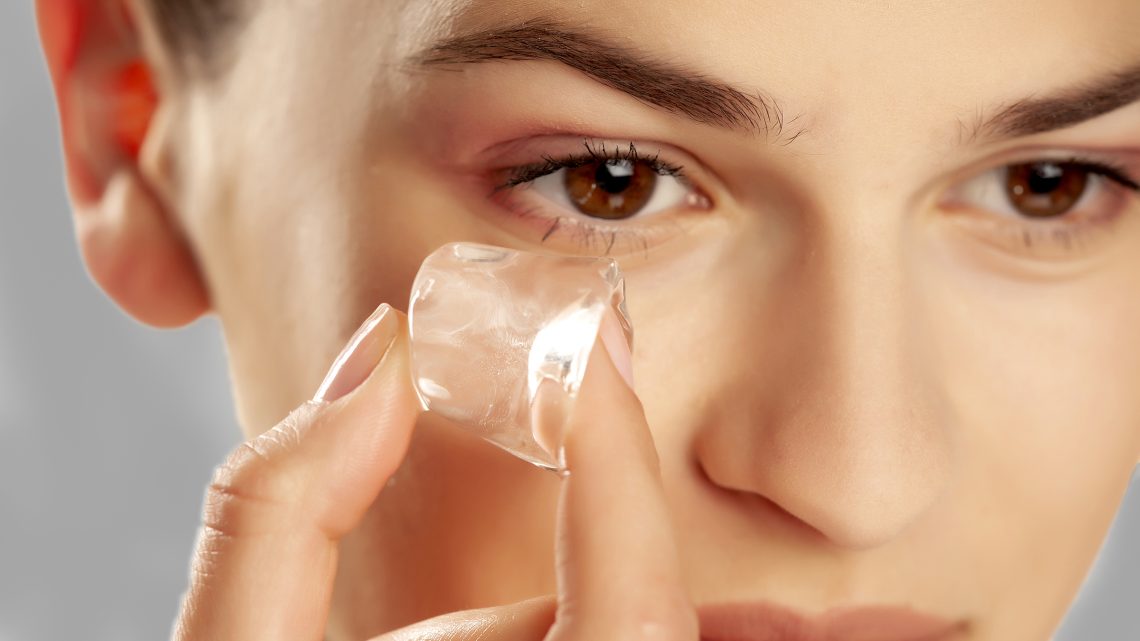
2. Ice Application Method
Here’s the safe step-by-step method:
- Clean your face with a gentle cleanser
- Wrap an ice cube in a soft cloth
- Apply to the pimple for 1 minute
- Rest for 1 minute
- Repeat for 5–10 minutes total
This prevents skin damage while still calming inflammation.
Enhanced Ice Therapy Methods
1. Green Tea Ice Cubes
Green tea contains anti-inflammatory antioxidants.
How to make:
- Brew green tea
- Cool completely
- Pour into an ice tray
- Use as ice therapy
Great for reducing redness and soothing irritated skin.
2. Aloe Vera Ice Cubes
Aloe vera hydrates and calms inflamed skin.
How to use:
- Freeze pure aloe vera gel
- Apply wrapped in a cloth
- Helps soothe painful cystic pimples
3. Rose Water Ice Cubes
Rose water has anti-redness and cooling properties.
These cubes help brighten skin while reducing irritation.
Do’s and Don’ts of Ice Therapy
Do’s
- Do wrap ice in a cloth
- Do apply in short intervals
- Do use before makeup for smoother application
- Do combine with spot treatments like salicylic acid or benzoyl peroxide afterward
- Do use gentle pressure only
Don’ts
- Don’t apply ice directly on bare skin
- Don’t ice for more than 10–15 minutes
- Don’t press the ice too hard
- Don’t use if you have broken skin, eczema, or extremely sensitive skin
- Don’t ice immediately after chemical exfoliants (can cause irritation)
Side Effects & Risks
Ice therapy is generally safe, but improper use can cause:
- Ice burns
- Skin irritation
- Red patches
- Broken capillaries
- Increased sensitivity
Always wrap the ice and avoid pressing too firmly.
When to Stop Using Ice Therapy
Stop immediately if you notice:
- Burning sensation
- Numbness beyond 10–15 minutes
- Persistent redness
- Tingling that does not go away
Switch to aloe vera or a soothing gel if irritation occurs.
Combining Ice Therapy With Other Acne Treatments
Ice therapy works well when paired with:
- Salicylic acid (unclogs pores)
- Benzoyl peroxide (kills bacteria)
- Niacinamide serum (reduces redness)
- Hydrocolloid pimple patches (absorbs oil)
Use ice before applying these products to calm inflammation and allow better absorption.
Conclusion
Ice therapy is a fast, effective, and accessible way to reduce pimple inflammation, swelling, and redness. It works especially well on painful or newly forming pimples. When practiced safely—with ice wrapped in a cloth and applied in short intervals—it can dramatically improve the skin’s appearance before important events or daily skincare routines.
While ice therapy offers quick relief, it’s not a long-term acne treatment. For persistent breakouts, combining it with dermatologist-approved products or professional guidance ensures better results. Used correctly, ice can be a powerful tool in your skincare routine.
FAQs
1. Can I put ice directly on my pimple?
No. Always wrap the ice to avoid burns or irritation.
2. How long should I ice a pimple?
Use 1-minute intervals for a total of 5–10 minutes.
3. Does icing help cystic acne?
Yes, it helps reduce pain and swelling but won’t cure it.
4. Can ice make pimples worse?
Only if applied incorrectly (directly, too long, or too much pressure).
5. Can I use ice therapy every day?
Yes, it’s generally safe once daily—just avoid over-icing.