Introduction In today’s complex medical landscape, seeking a second opinion has become an empowering and essential step in making informed healthcare decisions. A second opinion allows you to confirm a diagnosis, explore alternative treatments, and gain clarity—especially when facing major, life-altering medical choices. Contrary to common belief, asking for another professional’s perspective is not disrespectful to your original doctor. Instead, it is a smart, proactive approach to protect your health, understand your options, and feel confident in your treatment plan. This article explains when a second opinion is necessary, how to get one, and what benefits it can bring to…
-
-
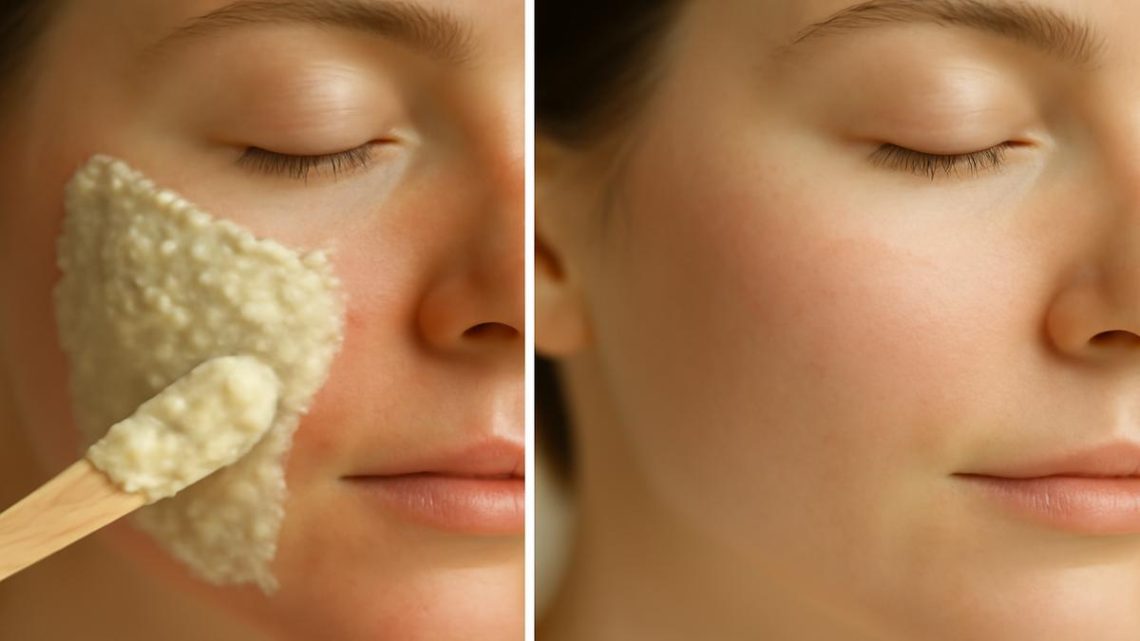
Introduction Acne breakouts are frustrating, but targeted spot treatments can help reduce inflammation, unclog pores, and speed healing. Two of the most popular and effective over-the-counter ingredients are Benzoyl Peroxide (BP) and Salicylic Acid (SA). Understanding how they work, when to use each, and potential side effects can help you choose the right treatment for your skin. 1. How Spot Treatments Work Spot treatments are applied directly to active pimples, aiming to: Unlike full-face treatments, spot treatments target specific problem areas, minimizing irritation to surrounding skin. 2. Benzoyl Peroxide (BP) How It Works Strengths Precautions 3. Salicylic Acid (SA) How…
-
Introduction Falling asleep quickly can be a challenge, especially for people dealing with stress, anxiety, or irregular sleep schedules. The Military Method is a sleep technique developed to help soldiers fall asleep in as little as two minutes, even in less-than-ideal conditions. This method combines physical relaxation and mental focus, training the body and mind to transition rapidly into sleep. It has gained popularity for its simplicity, effectiveness, and suitability for anyone, whether in a noisy environment or trying to reset a disrupted sleep pattern. 1. The Concept Behind the Military Method 2. Step-by-Step Military Method Step 1: Relax Your…
-
Introduction Many people struggle with falling asleep due to environmental noise, stress, or an overactive mind. White noise and nature sounds have become popular tools to mask disruptive sounds, calm the mind, and promote relaxation, helping the body transition into sleep more easily. Whether it’s the steady hum of a fan or the gentle rustle of rain, these sounds can create an environment that signals safety, calm, and rest, ultimately improving sleep quality. 1. What is White Noise? 2. What are Nature Sounds? 3. Benefits of Using White Noise or Nature Sounds 4. How to Use White Noise or Nature…
-
Introduction Lying awake in bed, staring at the ceiling, and watching the clock can be frustrating and anxiety-inducing. Many people struggle with this nightly routine, which can reinforce insomnia. Sleep experts recommend the 20-Minute Rule: if you can’t fall asleep within 20 minutes, get out of bed and engage in a quiet, relaxing activity until you feel sleepy. This strategy helps break the cycle of frustration and promotes better sleep onset. 1. Why Staying in Bed Can Make Insomnia Worse 2. The 20-Minute Rule Explained Purpose of the Rule 3. Recommended Activities When Out of Bed A. Relaxing, Low-Stimulation Activities…
-
Introduction In today’s digital world, exposure to screens from phones, TVs, tablets, and computers has become unavoidable. While these devices keep us connected and entertained, they also emit blue light, a high-energy visible (HEV) light that can disrupt our natural sleep patterns. Understanding how blue light affects melatonin production, circadian rhythm, and sleep quality is key to protecting your rest. Fortunately, practical strategies can minimize its impact, helping you fall asleep faster and improve sleep depth. 1. What is Blue Light? 2. How Blue Light Affects Sleep A. Suppression of Melatonin B. Circadian Rhythm Disruption C. Increased Alertness 3. Common…
-
Introduction Racing thoughts at bedtime—rapid, uncontrollable mental chatter—can make it difficult to fall asleep, even when the body feels tired. Common causes include stress, anxiety, overthinking, or a busy mind processing daily events. Strategies like journaling and mindfulness help calm the mind, reduce mental clutter, and create a mental environment conducive to sleep. These techniques are safe, non-invasive, and effective for both short-term stress relief and long-term sleep improvement. Why Racing Thoughts Happen Racing thoughts keep the brain in “alert mode”, delaying melatonin production and disrupting natural sleep cycles. 1. Journaling for Bedtime Calm How Journaling Helps Types of Journaling…
-
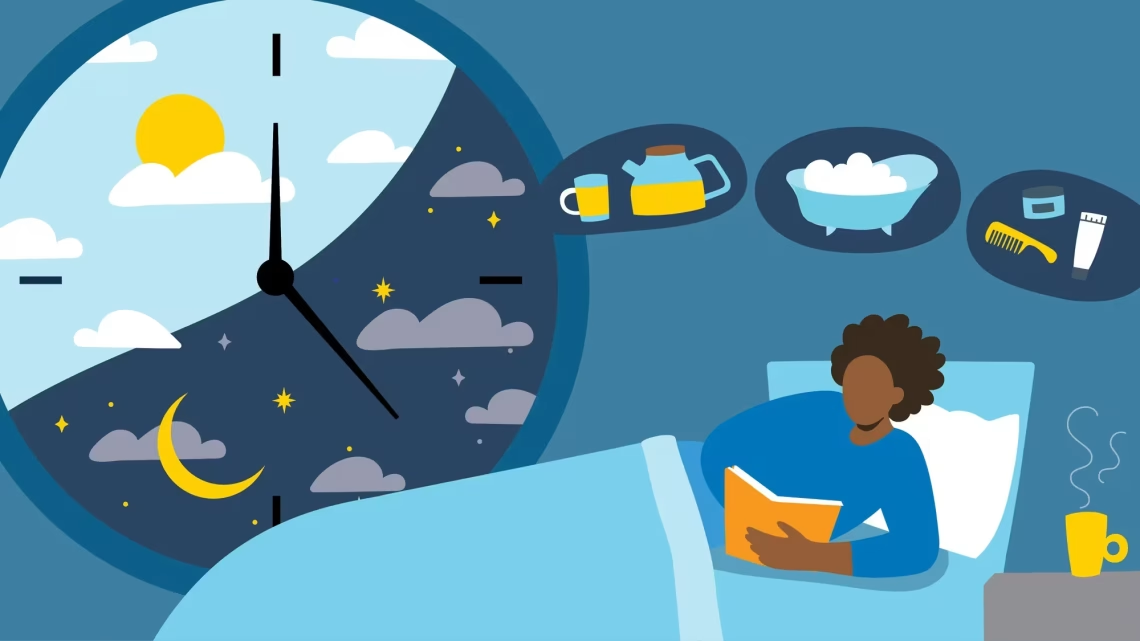
Introduction Many people struggle to fall asleep despite being tired. One major culprit is the lack of a consistent pre-sleep routine, which can leave the brain in “alert mode” even at bedtime. The concept of a Power Down Hour—the last 60 minutes before sleep—focuses on gradually reducing stimulation and signaling the brain that it’s time to rest. By establishing a structured wind-down routine, you can fall asleep faster, improve sleep quality, and wake up feeling more refreshed. 1. Why a Pre-Sleep Routine Matters 2. Components of an Effective Power Down Hour A. Dim the Lights B. Turn Off Electronics C.…
-
Introduction Gas and bloating are common digestive complaints that can cause discomfort, embarrassment, and even pain. While occasional gas is normal, excessive bloating or persistent discomfort often relates to diet, lifestyle habits, or underlying digestive sensitivities. Fortunately, simple adjustments in eating patterns and daily routines can bring significant relief. This article explores effective dietary and lifestyle tips to help manage gas and bloating naturally. Understanding Gas and Bloating Dietary Tips for Gas and Bloating Relief 1. Eat Smaller, More Frequent Meals 2. Limit Gas-Producing Foods 3. Try a Low-FODMAP Diet 4. Reduce Carbonated Drinks 5. Eat Slowly and Chew Thoroughly…
-
Introduction Urinary incontinence can be physically uncomfortable and emotionally challenging. Many people experience shame, anxiety, or embarrassment when dealing with leakage, which may prevent them from seeking help or participating in social activities. However, addressing incontinence openly and accessing support can significantly improve quality of life. Understanding that you are not alone and that effective solutions exist is the first step toward regaining confidence. 1. Understanding the Emotional Impact Living with incontinence can lead to: Recognizing that these emotions are common and valid helps reduce self-blame. 2. Talking Openly About Incontinence With Healthcare Providers With Family and Friends Joining Support…