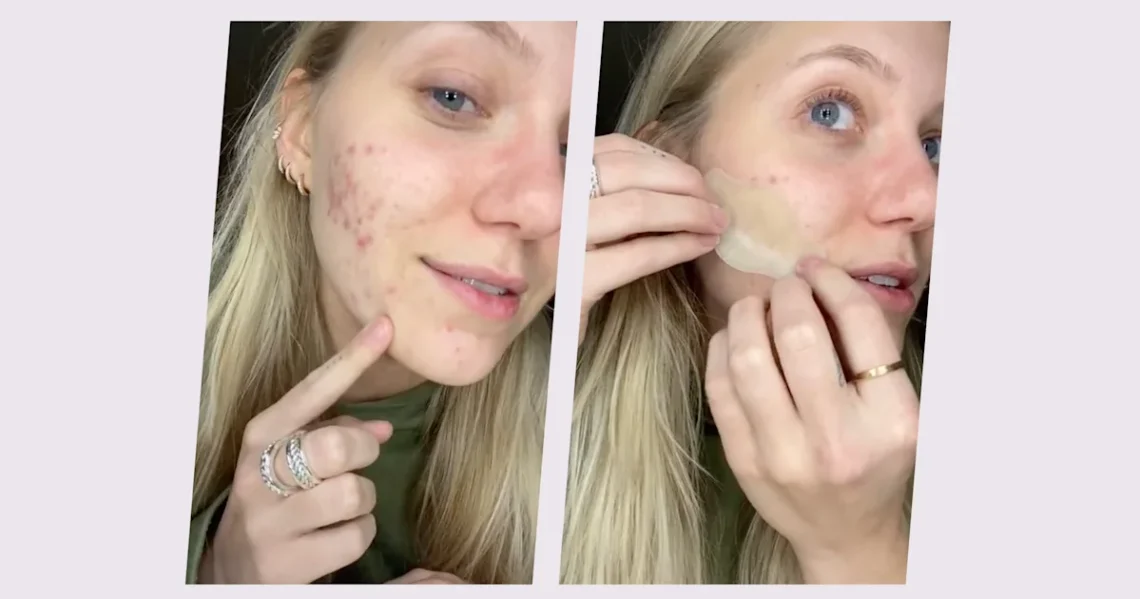
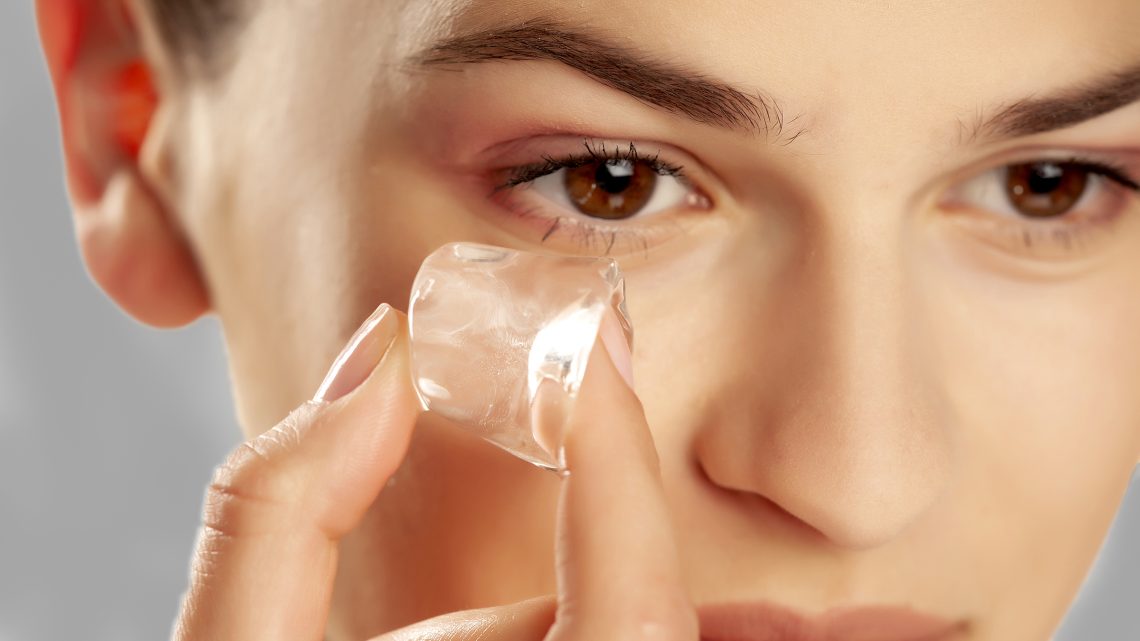
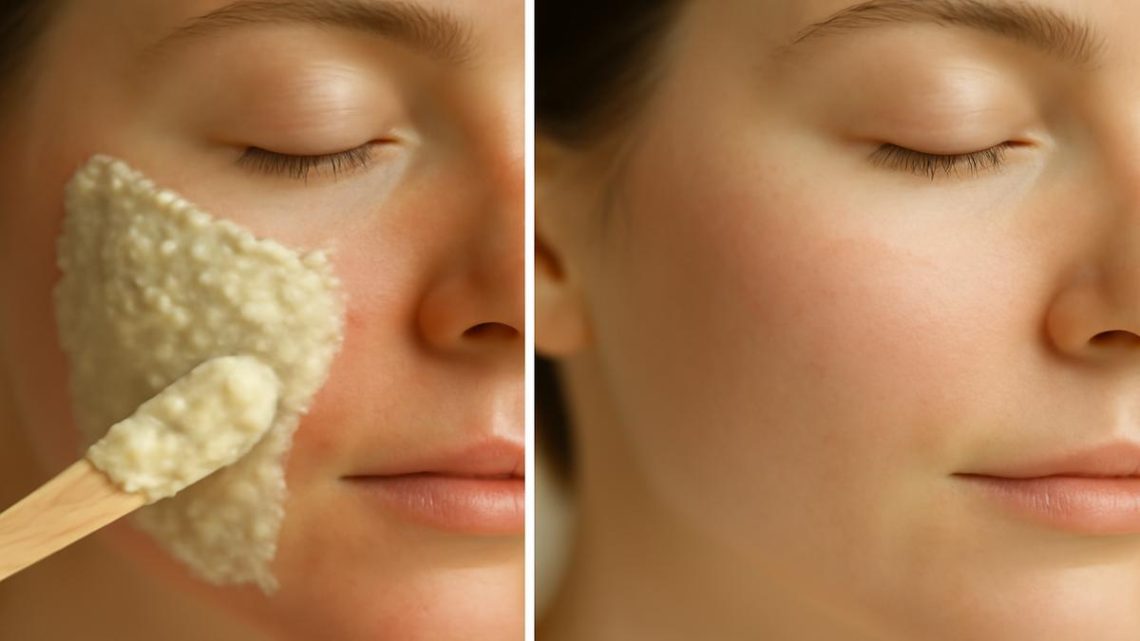
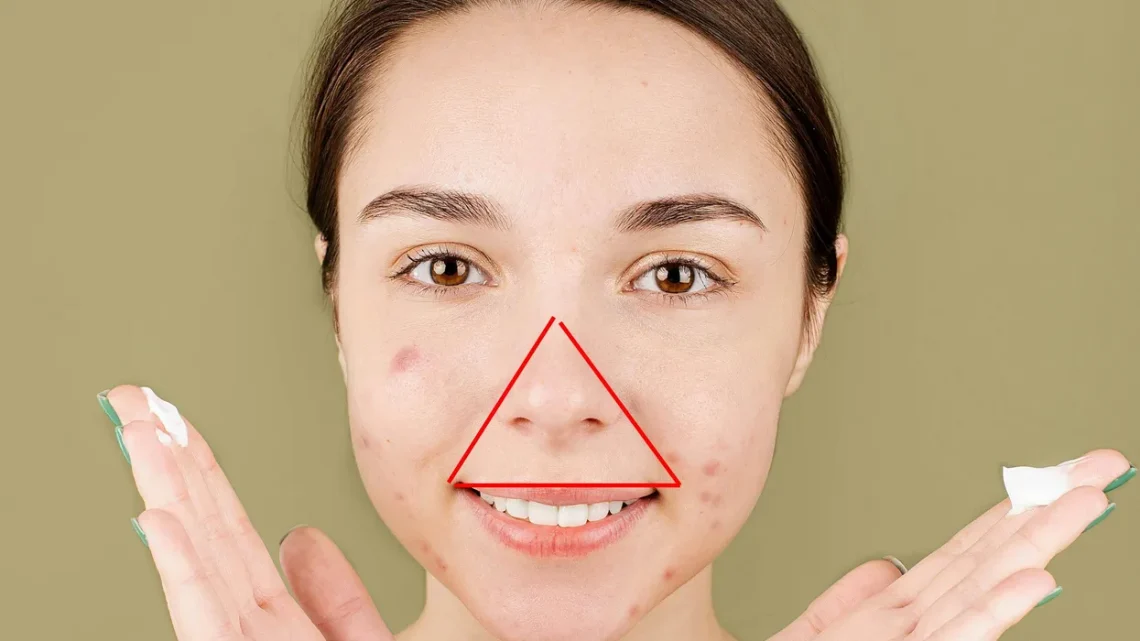
Introduction Itchy skin, medically known as pruritus, is a common symptom caused by allergic reactions, dry skin, insect bites, rashes, or underlying medical conditions. Persistent itching can lead to scratching, skin damage, infection, and discomfort. Effective relief often combines home remedies and topical treatments, including: Understanding when and how to use these therapies can ease symptoms and promote skin healing. Causes of Itchy Skin 1. Oatmeal Baths How They Work How to Use Benefits 2. Calamine Lotion How It Works How to Use Best For 3. Topical Hydrocortisone How It Works How to Use Best For Precautions Additional Tips for…
-
-
Introduction Rashes are a common symptom in children and adults, and while most are mild and self-limiting, some signal life-threatening conditions. Recognizing these red-flag signs can save lives and prevent severe complications. Two conditions that require urgent attention are: Early identification, prompt intervention, and understanding warning signs are crucial for effective management. 1. Stevens-Johnson Syndrome (SJS) Overview Causes Early Symptoms Progression Complications Urgent Care Actions 2. Cellulitis Overview Risk Factors Symptoms Common Locations Urgent Care Actions Red Flag Signs for Any Rash Immediate medical evaluation is required if a rash is accompanied by: General Precautions While Seeking Care Prevention Tips…
-
Introduction Viral rashes are a common reason for pediatric visits. They are usually caused by viral infections and often come with fever, irritability, and other systemic symptoms. While most viral rashes are mild and self-limiting, recognizing the type of rash helps in managing symptoms, preventing complications, and reducing spread. Three of the most frequent viral rashes in children include: 1. Chickenpox (Varicella) 2. Roseola (Exanthem Subitum) 3. Hand-Foot-and-Mouth Disease (HFMD) General Management of Viral Rashes in Children When to Seek Medical Attention Prevention Tips Conclusion Viral rashes like chickenpox, roseola, and hand-foot-and-mouth disease are common in children and usually self-limiting.…
-
Introduction Fungal skin infections are common, superficial infections caused by dermatophytes, a group of fungi that thrive on keratin in the skin, hair, and nails. These infections can affect any part of the body and vary in severity from mild irritation to painful, chronic conditions. Two of the most frequent infections include: Other types include jock itch, scalp ringworm, and nail fungus. While usually not life-threatening, fungal infections can spread easily and cause significant discomfort if untreated. Common Types of Fungal Skin Infections 1. Ringworm (Tinea Corporis) Tip: Ringworm often spreads rapidly in schools, gyms, and households. 2. Athlete’s Foot…
-
Introduction Hives, medically known as urticaria, are raised, red or pale, itchy welts on the skin. They vary in size and shape and may appear suddenly and fade within hours or persist for days. Hives are a common condition, often triggered by allergic reactions, stress, or environmental factors. While usually not life-threatening, severe cases can lead to angioedema or anaphylaxis, which require urgent medical attention. Understanding the causes, triggers, and proper use of antihistamines is essential for managing symptoms effectively. What Are Hives (Urticaria)? Common Causes of Hives 1. Allergic Reactions Mechanism: Allergens trigger histamine release, causing blood vessels to…
-
Introduction Psoriasis is a chronic, immune-mediated skin disorder characterized by rapid skin cell turnover, leading to thick, scaly plaques. It affects about 2–3% of the global population and can range from mild, localized patches to widespread, severe involvement. Beyond physical symptoms, psoriasis can impact mental health, self-esteem, and quality of life. Understanding the different types of psoriasis and treatment options helps manage symptoms effectively and reduce flare-ups. Types of Psoriasis 1. Plaque Psoriasis (Most Common) 2. Guttate Psoriasis 3. Inverse Psoriasis 4. Pustular Psoriasis 5. Erythrodermic Psoriasis Treatment Approaches Psoriasis management depends on type, severity, and location of lesions. Treatments…
-
Introduction Eczema, or atopic dermatitis, is a chronic, relapsing inflammatory skin condition that affects both children and adults. It manifests as dry, itchy, red, and sometimes oozing patches. Beyond physical discomfort, eczema can also impact sleep, mental health, and daily activities, particularly in severe cases. While there is no permanent cure, an effective management plan can help: Management revolves around three pillars: moisturizing and skin care, trigger identification and avoidance, and pharmacologic treatment. 1. Moisturizing and Skin Care Moisturizing is the foundation of eczema management. The skin of eczema patients has a weakened barrier, leading to increased water loss and…
-
Introduction Contact dermatitis is a common skin condition that occurs when the skin reacts to direct contact with irritants or allergens. It often causes redness, itching, and blisters, and while generally not life-threatening, it can significantly impact daily comfort and quality of life. Understanding common triggers such as poison ivy, nickel, and fragrances helps prevent flare-ups and manage symptoms effectively. What is Contact Dermatitis? Contact dermatitis is divided into two main types: 1. Irritant Contact Dermatitis 2. Allergic Contact Dermatitis Common Triggers 1. Poison Ivy, Oak, or Sumac 2. Nickel 3. Fragrances and Cosmetics Identifying Your Triggers Treatment and Management…
-
Introduction Rashes are a frequent skin complaint and can be caused by a variety of conditions, ranging from allergic reactions and infections to chronic skin disorders. Identifying the type of rash is essential for appropriate management and to distinguish harmless rashes from those requiring urgent care. This guide covers common types of rashes, their characteristics, triggers, and basic management tips, along with suggested images for visual identification. 1. Eczema (Atopic Dermatitis) 2. Psoriasis 3. Hives (Urticaria) 4. Contact Dermatitis 5. Chickenpox (Varicella) 6. Ringworm (Tinea) 7. Shingles (Herpes Zoster) Tips for Rash Identification When to Seek Medical Care: Conclusion Rashes…
-
Introduction Fever is a common symptom of illness, signaling that the body is fighting an infection or inflammation. While most fevers are mild and self-limiting, monitoring and tracking fever accurately is essential to: Proper fever monitoring is especially important in infants, elderly individuals, and people with chronic health conditions. Why Monitoring Fever is Important Methods of Measuring Temperature Tip: Always use a calibrated thermometer and follow manufacturer instructions. How Often to Check Fever 1. Infants (<3 months) 2. Children (3 months–5 years) 3. Older Children and Adults General Rule: Monitor more frequently if the fever is high (>102°F / 38.9°C),…