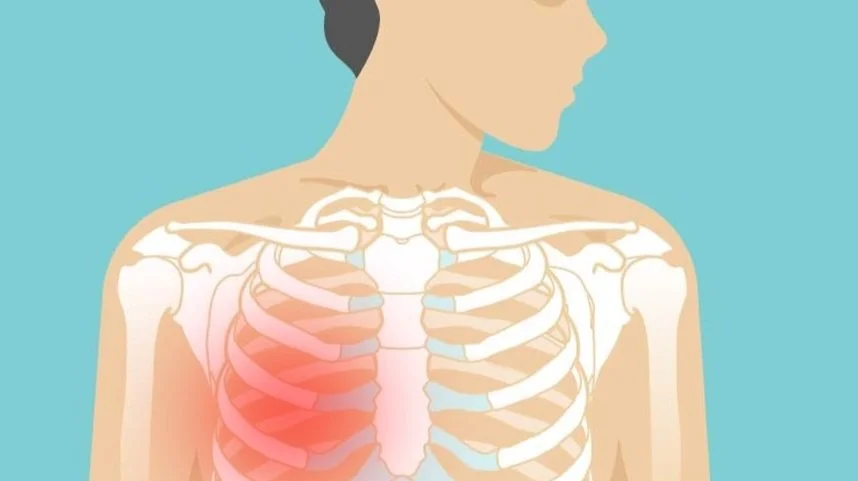
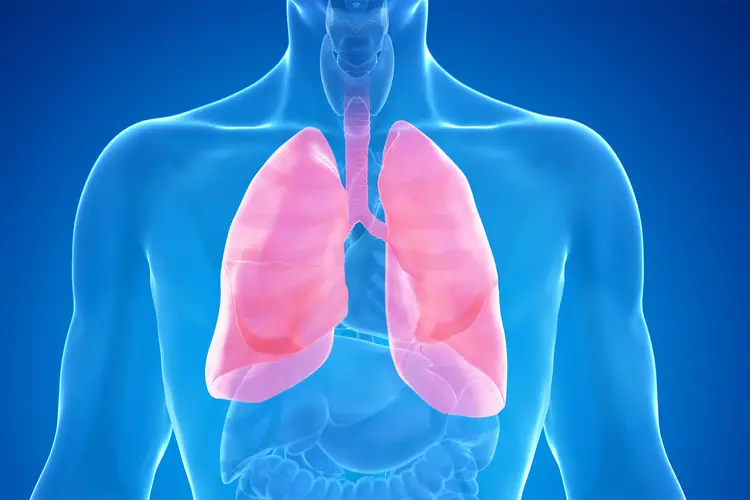
Introduction Bronchitis and pneumonia are two common respiratory conditions that often cause coughing, fatigue, and breathing difficulties. Because their symptoms overlap, people frequently confuse the two. However, these illnesses affect different parts of the respiratory system and vary in severity, causes, and treatment methods. Knowing the key differences can help you seek timely and appropriate care. This article explains the distinctions between bronchitis and pneumonia, including symptoms, causes, diagnostic methods, and treatment options. What Is Bronchitis? Bronchitis is the inflammation of the bronchial tubes—the air passages that carry air to your lungs. There are two main types: Causes of Bronchitis…
-
-
Introduction Bronchitis is a common respiratory condition that affects the bronchial tubes—the airways that carry air to and from your lungs. When these tubes become inflamed, it leads to coughing, mucus production, and breathing difficulties. However, bronchitis isn’t a one-size-fits-all diagnosis. It comes in two primary forms: acute bronchitis and chronic bronchitis. While they share some symptoms, their causes, duration, and treatment approaches differ significantly. Understanding these distinctions is essential for proper management and preventing complications. What is Bronchitis? Bronchitis refers to the inflammation of the lining of the bronchial tubes. This inflammation can be short-term (acute) or long-lasting (chronic).…
-
Introduction Statins are among the most commonly prescribed medications worldwide, especially for people at risk of cardiovascular disease. These cholesterol-lowering drugs have been shown to reduce the risk of heart attacks, strokes, and even death in high-risk individuals. Despite their widespread use and proven benefits, statins are often misunderstood, surrounded by myths, confusion, and concerns about side effects. This article demystifies statins: how they work, who should take them, what side effects to watch for, and what alternative treatments exist for those who can’t or choose not to take them. What Are Statins? Statins are a class of medications that…
-
Introduction Your doctor may ask for a lipid panel during a routine health checkup, especially to assess your heart health. But what do all those numbers and terms—HDL, LDL, triglycerides mean? Understanding your lipid panel is essential for taking control of your cardiovascular risk and making informed decisions about your lifestyle and medical care. This article will help you decode the components of a lipid panel, focusing on HDL (good cholesterol), LDL (bad cholesterol), and triglycerides, what their levels mean, why they matter, and how you can manage them for better health. What Is a Lipid Panel? A lipid panel…
-
Introduction Human Papillomavirus (HPV) is the most common sexually transmitted infection globally, affecting millions of individuals across all ages and backgrounds. Despite its prevalence, HPV remains a misunderstood virus, particularly regarding its progression and clearance in the human body. Many people diagnosed with HPV worry about the long-term implications of the infection, including whether the virus can be naturally eliminated or if it persists indefinitely. This article explores the natural history of HPV—how the virus behaves after infection, the body’s ability to clear it naturally, and factors influencing persistence or progression to disease. What Is HPV? HPV is a group…
-
Introduction Human Papillomavirus (HPV) is widely recognized for its critical role in causing cervical cancer, but its impact extends far beyond this single disease. HPV is implicated in several other cancers affecting both men and women, including anal, penile, and oropharyngeal (oral and throat) cancers. These HPV-related cancers have been increasing in incidence worldwide, highlighting the need for broader awareness, prevention, and early detection. This article delves into HPV’s role in anal, penile, and oral cancers—exploring how the virus causes these cancers, who is at risk, symptoms to watch for, and strategies to reduce your risk. Understanding HPV: A Quick…
-
Introduction Genital warts are one of the most common sexually transmitted infections caused by certain types of the Human Papillomavirus (HPV). While they are generally benign and do not lead to cancer, genital warts can cause physical discomfort and emotional distress. Fortunately, several effective treatment options exist, and understanding what to expect during treatment can help individuals manage the condition with confidence and reduce transmission risks. This article provides a comprehensive overview of genital warts—what causes them, treatment methods, and how to manage the condition safely. What Are Genital Warts? Genital warts are small, flesh-colored or gray growths that appear…
-
Introduction Receiving a diagnosis of Human Papillomavirus (HPV) can feel confusing, overwhelming, and even scary, but it doesn’t have to be. HPV is incredibly common, affecting millions of people worldwide. In fact, nearly all sexually active individuals will be exposed to HPV at some point in their lives. For most people, the infection causes no symptoms and goes away on its own. However, for some, it may persist and lead to health complications like genital warts or even cancer. Living with HPV is not a life sentence—it’s a manageable condition. With the right knowledge and approach, individuals can protect their…
-
Introduction Human Papillomavirus (HPV) is the most common sexually transmitted infection (STI) worldwide, affecting both men and women. While HPV is often discussed in the context of cervical cancer in women, it’s important to recognize that men are also at risk for serious HPV-related health problems. HPV in men can lead to genital warts and several types of cancer, including anal, penile, and oropharyngeal (throat) cancers. Despite these risks, awareness, vaccination, and screening efforts for men remain limited compared to women. This article provides a comprehensive overview of HPV in men, covering risks, symptoms, and screening considerations to help men…
-
Introduction Human Papillomavirus (HPV) is the most common sexually transmitted infection worldwide. While many HPV infections are harmless and clear on their own, certain high-risk types of HPV can lead to cancer if left untreated. The virus is responsible for nearly all cases of cervical cancer and is increasingly recognized as a major cause of other cancers—including throat, anal, penile, vulvar, and vaginal cancers. Understanding the link between HPV and cancer is essential for prevention, early detection, and treatment. This article explores how HPV causes cancer, which types are most dangerous, and how vaccination and screening can save lives. What…